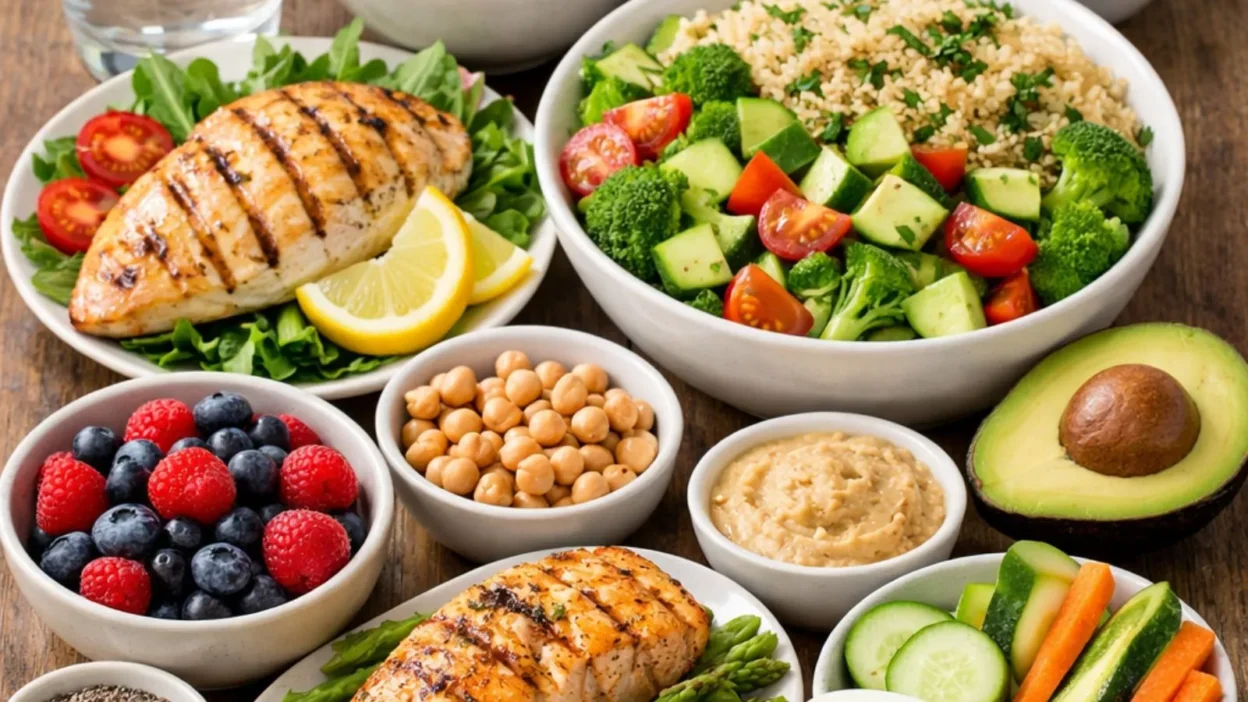
Losing weight doesn’t have to mean starving yourself or following extreme diet trends. In fact, one of the biggest mistakes people make when trying to lose weight is focusing on eating less instead of eating better. The foods you choose every day play a powerful role in controlling hunger, boosting metabolism, and helping your body burn fat more efficiently.
The best foods to eat to lose weight are those that are nutrient-dense, high in protein or fiber, and low in empty calories. These foods help you feel full for longer, reduce cravings, and make it easier to stay in a calorie deficit without feeling deprived.
In this complete, science-backed guide, you’ll discover the healthiest foods for weight loss, how they work in your body, and how to include them in your daily meals. Whether your goal is to lose belly fat, improve your health, or maintain long-term results, this article will give you practical, sustainable strategies that actually work.
Understanding Weight Loss Fundamentals
Before diving into the best foods to eat to lose weight, it’s important to understand how weight loss actually works. At its core, weight loss happens when your body burns more calories than it consumes. This is known as a calorie deficit. However, creating a calorie deficit doesn’t mean eating as little as possible. The quality of the calories you eat matters just as much as the quantity.
Different foods affect your body in different ways. Highly processed foods are often calorie-dense but low in nutrients, making it easy to overeat while still feeling hungry. In contrast, whole, nutrient-dense foods provide protein, fiber, and healthy fats that help regulate appetite, stabilize blood sugar levels, and support a healthy metabolism.
Hormones also play a major role in weight loss. Foods that cause rapid spikes in blood sugar can increase insulin levels, which may promote fat storage and trigger cravings. On the other hand, balanced meals rich in protein and fiber help control hunger hormones like ghrelin and increase satiety hormones such as leptin.
Another key factor is satiety—how full and satisfied you feel after eating. Foods that keep you full longer naturally reduce the urge to snack and overeat, making weight loss more sustainable. By choosing the right foods consistently, you can support fat loss without extreme dieting, constant hunger, or burnout.
The Role of Macronutrients in Weight Loss
Macronutrients—protein, carbohydrates, and fats—are the building blocks of your diet, and understanding their role is essential for successful weight loss. Each macronutrient affects your body differently, and balance is key.
Protein is the most important macronutrient for weight loss. It helps preserve lean muscle mass while you’re losing fat and has a high thermic effect, meaning your body burns more calories digesting protein than it does digesting carbs or fat. Protein also increases feelings of fullness, helping you eat fewer calories naturally.
Carbohydrates often get a bad reputation, but not all carbs are created equal. Refined carbohydrates, such as white bread and sugary snacks, digest quickly and can lead to blood sugar spikes and crashes that increase hunger. Complex carbohydrates like whole grains, vegetables, and legumes digest more slowly, providing steady energy and supporting fat loss when eaten in appropriate portions.
Fats are another misunderstood macronutrient. Healthy fats play a crucial role in hormone production and nutrient absorption, and they help slow digestion, which can reduce hunger. However, fats are calorie-dense, so portion control is important.
The most effective weight loss diet includes all three macronutrients in the right proportions. Prioritizing protein, choosing high-quality carbohydrates, and including healthy fats in moderation creates meals that are satisfying, nutritious, and sustainable for long-term weight loss.
High-Protein Foods That Support Weight Loss
Protein-rich foods are some of the best foods to eat to lose weight because they directly support fat loss while helping you feel full and satisfied. Eating enough protein reduces appetite, lowers cravings, and helps prevent muscle loss during weight loss, which is important for maintaining a healthy metabolism.
Eggs are an excellent protein source for weight loss. They are nutrient-dense, affordable, and help increase feelings of fullness, especially when eaten at breakfast. Lean meats such as chicken breast and turkey provide high-quality protein with minimal fat, making them ideal for creating a calorie deficit without sacrificing nutrition.
Fish is another powerful weight loss food. Fatty fish like salmon, sardines, and mackerel are rich in protein and omega-3 fatty acids, which may help reduce inflammation and improve fat metabolism. For a lower-calorie option, tuna and white fish offer high protein with very few calories.
Dairy-based proteins like Greek yogurt and cottage cheese are also effective for weight loss. They are high in protein, low in sugar when chosen plain, and work well as meals or snacks. For plant-based diets, foods such as tofu, tempeh, lentils, and chickpeas provide protein along with fiber, which further enhances satiety.
Including a high-quality protein source in every meal makes it easier to control hunger, reduce snacking, and achieve long-term, sustainable weight loss.
High-Fiber Foods That Help You Lose Weight
Fiber-rich foods play a crucial role in weight loss because they slow digestion, improve fullness, and help regulate blood sugar levels. Unlike refined carbohydrates, high-fiber foods take longer to break down, which keeps you satisfied for longer periods and reduces the likelihood of overeating.
Vegetables are among the best high-fiber foods for weight loss. Leafy greens such as spinach, kale, and lettuce are extremely low in calories but high in volume, allowing you to eat larger portions without excess calorie intake. Cruciferous vegetables like broccoli, cauliflower, and Brussels sprouts are also excellent choices, as they provide fiber along with important vitamins and antioxidants.
Legumes, including lentils, beans, and chickpeas, are another powerful fiber source. They contain both protein and fiber, making them especially filling and effective for appetite control. Whole grains such as oats, quinoa, and brown rice offer more fiber than refined grains and provide steady energy that supports physical activity and metabolic health.
Fruits can also support weight loss when eaten in moderation. Berries, apples, and pears are high in fiber and water, which helps control hunger while satisfying sweet cravings naturally. Choosing whole fruits instead of fruit juices preserves their fiber content and prevents rapid blood sugar spikes.
By regularly including fiber-rich foods in your meals, you can improve digestion, reduce cravings, and make weight loss easier and more sustainable over time.
Low-Calorie, High-Volume Foods for Weight Loss
Low-calorie, high-volume foods are especially effective for weight loss because they allow you to eat larger portions while consuming fewer calories. These foods are typically high in water and fiber, which increases fullness without adding excess energy, making them ideal for managing hunger.
Leafy greens such as lettuce, arugula, and spinach are some of the best examples. They add volume to meals, salads, and smoothies while contributing very few calories. Vegetables like cucumbers, zucchini, tomatoes, and bell peppers are also rich in water and nutrients, helping you feel full without overeating.
Mushrooms are another excellent low-calorie food that can replace higher-calorie ingredients in meals. Their meaty texture makes them a satisfying alternative to refined carbohydrates or fatty meats. Soups and broths, especially those made with vegetables and lean protein, are also powerful tools for weight loss. Research shows that starting a meal with a broth-based soup can reduce overall calorie intake by promoting early satiety.
Water-rich fruits such as watermelon, oranges, and strawberries can support weight loss when eaten in appropriate portions. They provide natural sweetness, hydration, and fiber, making them a better choice than processed snacks or desserts.
By filling your plate with low-calorie, high-volume foods, you can reduce hunger, control portions naturally, and maintain a calorie deficit without feeling deprived or restricted.
Healthy Fats That Support Weight Loss
Healthy fats are an important part of a balanced weight loss diet, even though they are often misunderstood. While fats are higher in calories than protein and carbohydrates, they play a key role in hormone regulation, nutrient absorption, and long-lasting satiety, which can actually help reduce overall calorie intake.
Avocados are one of the best healthy fat sources for weight loss. They contain monounsaturated fats and fiber, a combination that helps control hunger and keeps you satisfied between meals. Nuts and seeds, such as almonds, walnuts, chia seeds, and flaxseeds, also provide healthy fats along with protein and fiber. However, because they are calorie-dense, portion control is essential.
Olive oil is another weight loss–friendly fat when used in moderation. It supports heart health and enhances the flavor of meals, making healthy foods more enjoyable and sustainable. Fatty fish like salmon, sardines, and mackerel provide omega-3 fatty acids, which may help reduce inflammation and improve metabolic health.
Including healthy fats in your meals can slow digestion and prevent rapid blood sugar spikes, helping to reduce cravings and overeating. The key is balance—using fats strategically rather than eliminating them entirely. When combined with protein and fiber, healthy fats contribute to meals that are satisfying, nutritious, and effective for long-term weight loss success.
Foods That Boost Metabolism and Fat Burning
While no food can magically burn fat on its own, certain foods can support metabolism and enhance the body’s ability to burn calories more efficiently. When combined with a balanced diet and healthy lifestyle, these foods can play a supportive role in weight loss.
Chili peppers and spicy foods contain capsaicin, a compound that may slightly increase calorie burning and reduce appetite. Even small amounts of spice added to meals can enhance flavor while potentially supporting fat loss. Green tea is another popular metabolism-supporting food, as it contains antioxidants called catechins that may help increase fat oxidation, especially when combined with physical activity.
Coffee, when consumed in moderation and without added sugar or creamers, can temporarily boost metabolism and improve energy levels. Caffeine stimulates the nervous system, which may increase calorie expenditure and enhance workout performance. Ginger and turmeric are also beneficial additions to a weight loss diet, as they support digestion and may help reduce inflammation linked to weight gain.
Apple cider vinegar is often promoted for weight loss, but its effects are modest. While it may help improve blood sugar control and appetite awareness, it should be viewed as a supplement to healthy eating rather than a solution.
These metabolism-supporting foods work best when paired with high-protein meals, regular exercise, adequate sleep, and stress management. Together, they help create an environment that supports steady and sustainable fat loss.
Best Foods to Eat for Weight Loss by Meal Type
Choosing the right foods at each meal can make weight loss easier and more sustainable. Structuring meals with protein, fiber, and healthy fats helps control hunger throughout the day and prevents overeating.
Breakfast
A weight loss–friendly breakfast should focus on protein to reduce cravings later in the day. Foods such as eggs, Greek yogurt, cottage cheese, or protein smoothies with fruit and vegetables help stabilize blood sugar and keep you full for hours. Skipping breakfast may work for some people, but many experience increased hunger and overeating later in the day.
Lunch
Lunch should be balanced and filling without being heavy. Lean proteins like grilled chicken, fish, or legumes paired with vegetables and whole grains provide steady energy and support productivity. Salads can be effective when they include enough protein and healthy fats rather than just leafy greens.
Dinner
Dinner should emphasize lighter but satisfying foods. Protein-rich meals with vegetables, such as salmon with roasted vegetables or stir-fried tofu with greens, help prevent late-night snacking. Eating carbohydrates at dinner is not inherently bad, as long as portions are controlled.
Snacks
Smart snacks can prevent extreme hunger between meals. Greek yogurt, fruit with nuts, hard-boiled eggs, or vegetables with hummus are nutrient-dense options that support weight loss without excess calories.
Foods to Avoid or Limit When Trying to Lose Weight
While adding healthy foods to your diet is important, limiting certain foods can significantly improve weight loss results. Many foods are high in calories but low in nutrients, making it easy to overeat without feeling satisfied.
Sugary drinks are one of the biggest obstacles to weight loss. Sodas, sweetened teas, energy drinks, and even fruit juices contain large amounts of added sugar and liquid calories that do not promote fullness. These beverages can quickly increase daily calorie intake without reducing hunger.
Ultra-processed foods such as packaged snacks, fast food, and frozen meals are often loaded with refined carbohydrates, unhealthy fats, and artificial additives. These foods are designed to be highly palatable, which can lead to overeating and cravings. Refined carbohydrates like white bread, pastries, and sugary cereals digest quickly and can cause blood sugar spikes followed by crashes that increase hunger.
Fried foods and foods high in trans fats should also be limited, as they are calorie-dense and offer little nutritional value. Additionally, many “low-fat” or “diet” products contain hidden sugars and additives that can hinder weight loss.
Reducing these foods doesn’t mean complete restriction. Instead, focusing on whole, minimally processed foods most of the time allows for flexibility while still supporting consistent and sustainable weight loss.
Frequently Asked Questions About Foods for Weight Loss
What foods help you lose weight the fastest?
Foods high in protein and fiber, such as eggs, lean meats, vegetables, and legumes, help you lose weight faster by keeping you full and reducing overall calorie intake. These foods support fat loss while preserving muscle mass.
What foods burn belly fat?
No food targets belly fat specifically, but protein-rich foods, fiber-rich vegetables, and whole foods help reduce overall body fat, including abdominal fat, when combined with a calorie deficit and regular activity.
Can I eat carbohydrates and still lose weight?
Yes. Weight loss depends on total calorie intake and food quality. Whole carbohydrates like oats, quinoa, fruits, and vegetables can support weight loss, while refined carbs should be limited.
What should I eat every day to lose weight?
A daily weight loss diet should include lean protein, vegetables, healthy fats, and whole carbohydrates. Balanced meals help regulate hunger hormones and prevent overeating.
Are snacks bad for weight loss?
Snacks are not bad if chosen wisely. Protein- and fiber-rich snacks like Greek yogurt, fruit, or nuts can help control hunger and prevent indulge eating.
How fast can I lose weight safely?
A safe and sustainable rate of weight loss is about 0.5 to 1 pound per week. Faster weight loss often leads to muscle loss and rebound weight gain.
Conclusion
Losing weight doesn’t require extreme diets, strict food rules, or constant hunger. The key to successful and lasting weight loss lies in choosing the right foods consistently. By focusing on nutrient-dense, whole foods that are high in protein, fiber, and healthy fats, you can naturally reduce calorie intake while still feeling satisfied and energized.
The best foods to eat to lose weight work by supporting appetite control, stabilizing blood sugar levels, and maintaining a healthy metabolism. Protein-rich foods help preserve muscle and reduce cravings, fiber-rich foods improve digestion and fullness, and low-calorie, high-volume foods allow you to eat more while consuming fewer calories. Healthy fats, when eaten in moderation, further enhance satiety and make meals more enjoyable.
Equally important is limiting highly processed foods, sugary drinks, and refined carbohydrates that can undermine your progress. Weight loss is not about perfection but consistency and sustainability. Small, smart food choices made daily can lead to significant long-term results.
Remember, the most effective weight loss plan is one you can maintain over time. By building balanced meals, listening to your hunger cues, and prioritizing whole foods, you can achieve your weight loss goals while improving your overall health and well-being.

I’m John, the voice behind PeacefulQuotes.com. I craft quotes that spark reflection, inspire calm, and bring a moment of peace to your day.