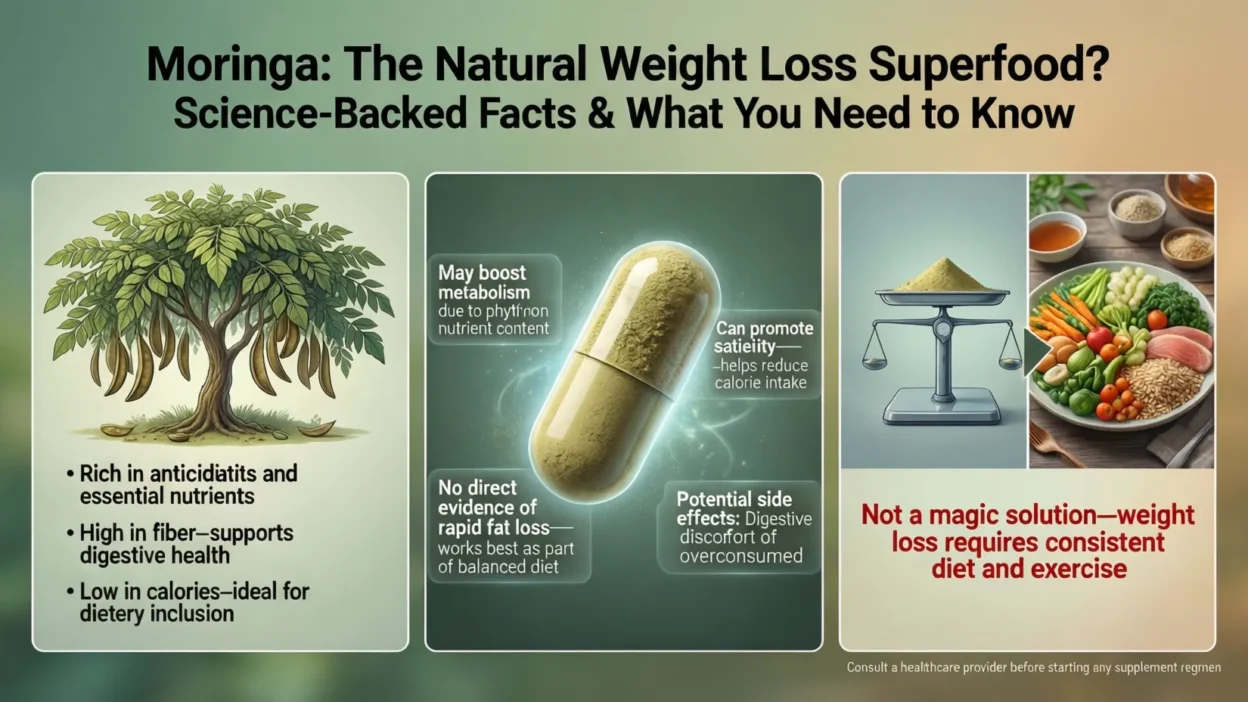
In the quest for natural weight loss solutions, moringa has emerged as a popular superfood, often hailed as the “miracle tree.” Native to India and widely used in traditional medicine, moringa is rich in vitamins, minerals, antioxidants, and plant compounds that may support overall health.
But can this nutrient-dense plant actually help you shed pounds? Many people are curious about its potential to boost metabolism, reduce appetite, and promote fat loss, but understanding the science behind these claims is essential.
While some studies suggest moringa may aid in weight management, it’s not a magic solution and works best when paired with a balanced diet and regular exercise. In this article, we’ll explore the potential benefits of moringa for weight loss, review the scientific evidence, discuss safe ways to use it, and provide practical tips to help you make the most of this remarkable plant in your weight loss journey.
What is Moringa?
Moringa, scientifically known as Moringa oleifera, is often called the “miracle tree” due to its impressive nutritional profile and health benefits. Native to India, it has been used for centuries in traditional medicine to treat various ailments, from inflammation to malnutrition. Today, moringa is recognized worldwide as a superfood, valued for its leaves, pods, seeds, and even flowers, all of which are edible and nutrient-rich.
The plant is exceptionally versatile. Its leaves are commonly dried and powdered to make supplements or teas, while podsoften called drumsticksare used in soups and curries. Seeds can be consumed directly or pressed for oil, which also has health and cosmetic uses.
Moringa is packed with vitamins A, C, and E, calcium, iron, potassium, and protein, making it a powerhouse for overall health. In addition to essential nutrients, it contains bioactive compounds like flavonoids, polyphenols, and isothiocyanates, which are believed to have antioxidant, anti-inflammatory, and metabolism-supporting properties.
These qualities have made moringa a popular supplement for people seeking natural ways to boost energy, manage blood sugar, and support weight loss. Whether consumed as powder, capsules, or tea, moringa offers a convenient and plant-based way to incorporate essential nutrients into your diet while potentially supporting your weight management goals.
Nutritional Profile of Moringa
Moringa is often called a “superfood” for good reason, its nutritional content is impressive and diverse, making it a valuable addition to any diet. A small serving of moringa leaves or powder provides a rich source of vitamins, minerals, and protein, supporting overall health and potentially aiding weight management.
In terms of vitamins, moringa is particularly high in vitamin A, which supports vision and immunity, vitamin C, a powerful antioxidant that helps fight free radicals, and vitamin E, known for promoting healthy skin and reducing oxidative stress. Its mineral content is equally remarkable, including calcium for strong bones, iron for energy and oxygen transport, and potassium, which helps regulate fluid balance and blood pressure.
Moringa is also a good plant-based protein source, containing essential amino acids that support muscle maintenancea critical factor for metabolism and fat burning. Additionally, it is rich in bioactive compounds like flavonoids, phenolic acids, and isothiocyanates, which have antioxidant, anti-inflammatory, and metabolism-supporting properties. These compounds may help reduce fat accumulation and support healthy weight management when combined with a balanced lifestyle.
With such a dense nutritional profile, moringa not only provides essential nutrients that many diets lack but also supports overall wellness, making it an appealing natural supplement for those looking to enhance their health and potentially aid weight loss.
How Moringa May Help With Weight Loss
Moringa has gained attention for its potential role in weight management, thanks to its unique combination of nutrients and bioactive compounds. While it’s not a magic solution, research suggests several mechanisms through which moringa may support weight loss.
Appetite suppression is one of the key ways moringa may help. The leaves contain fiber and certain plant compounds that can increase feelings of fullness, helping to reduce overeating and unnecessary snacking. A more controlled appetite naturally contributes to fewer calories consumed, which can aid weight management over time.
Moringa may also support fat metabolism. Its antioxidants, including flavonoids and isothiocyanates, are thought to help the body break down fat more efficiently and prevent the accumulation of excess fat in the liver. This effect, combined with its nutrient density, makes moringa a supportive food for those aiming to lose weight.
Another important factor is blood sugar regulation. Moringa has been shown to help stabilize blood glucose levels, which is crucial for preventing fat storage and managing cravings. Stable blood sugar reduces spikes and crashes, which often lead to overeating or choosing high-calorie foods.
Finally, moringa’s anti-inflammatory properties may indirectly aid weight loss by reducing inflammation linked to obesity and metabolic issues. While more human studies are needed, these combined effects suggest that incorporating moringa into a balanced diet could support healthy weight management.
Scientific Evidence
While moringa shows promise as a weight management aid, it’s important to look at the scientific evidence to separate fact from hype. Most research so far has been conducted on animals, with limited but encouraging human studies.
In animal studies, moringa leaf extracts have been shown to reduce body weight, fat accumulation, and blood lipid levels in unless rats. Researchers suggest that the antioxidants and bioactive compounds in moringa may improve metabolism and prevent fat storage, supporting its potential role in weight management.
Human studies, though fewer, provide interesting insights. For example, some small clinical trials have found that participants who consumed moringa powder or capsules daily experienced improvements in blood sugar levels, cholesterol, and triglyceridesall factors linked to weight gain and fat accumulation. A few studies also noted modest reductions in body weight when moringa was combined with a balanced diet and exercise program.
Despite these positive findings, it’s important to note the limitations. Sample sizes in human studies are small, durations are short, and results can vary depending on the form and dosage of moringa used. More large-scale, long-term studies are needed to confirm its effectiveness for weight loss.
In summary, current evidence suggests moringa may support weight management, particularly through its effects on metabolism, blood sugar, and fat breakdown, but it should be viewed as a supplement to healthy lifestyle habits rather than a standalone solution.
How to Use Moringa for Weight Loss
If you’re considering moringa to support your weight loss journey, it’s important to know the different forms and safe ways to consume it. Moringa is available as powder, capsules, tea, and fresh leaves, each offering its own convenience and benefits.
Moringa powder is the most versatile option. You can add it to smoothies, juices, soups, or salads. A typical daily dose ranges from 1 to 2 teaspoons, depending on your body weight and tolerance. Starting with a smaller amount allows your body to adjust and minimizes the risk of digestive discomfort.
Capsules provide a convenient alternative, especially for people with busy schedules or those who prefer not to taste the powder. Always follow the manufacturer’s instructions and check the dosage per serving.
Moringa tea is another popular choice. Steep 1 teaspoon of dried moringa leaves in hot water for 5–10 minutes. Drinking moringa tea regularly may support hydration, provide antioxidants, and subtly aid in appetite control.
Fresh moringa leaves can be cooked like spinach in soups, stews, or stir-fries. Incorporating moringa into your meals ensures you get its nutrients while maintaining a balanced diet.
Remember, moringa is not a magic solution. For best results, combine it with regular exercise, portion control, and a nutrient-rich diet. Consistency and moderation are key, and always consult a healthcare professional if you have underlying health conditions or are taking medication.
Precautions and Side Effects
While moringa is generally considered safe for most people, it’s important to be aware of potential precautions and side effects before incorporating it into your routine. Consuming moringa in moderate amounts is usually well tolerated, but excessive intake may lead to digestive issues such as nausea, diarrhea, or stomach cramps, especially when first introducing it into your diet. Starting with small doses and gradually increasing can help your body adjust.
Pregnant and breastfeeding women should exercise caution. Certain parts of the moringa plant, particularly the roots and bark, contain compounds that may be unsafe during pregnancy. It’s best to consult a healthcare professional before using moringa supplements during pregnancy or while breastfeeding.
People taking medications for diabetes, blood pressure, or thyroid conditions should also seek medical advice. Moringa can interact with these medications by lowering blood sugar or blood pressure, potentially leading to undesired effects.
Quality is another consideration. Because moringa supplements are not strictly regulated, it’s important to choose trusted brands that test for contaminants, heavy metals, and proper ingredient concentrations.
Finally, moringa should be used as a supplement, not a replacement for a balanced diet or medical treatment. Incorporating it wisely, alongside healthy eating and regular exercise, ensures you enjoy its potential benefits safely and effectively, while minimizing risks or side effects.
Moringa Myths vs Facts
Despite its growing popularity, moringa is surrounded by several myths that can create unrealistic expectations. Understanding the facts can help you use it safely and effectively.
Myth 1: Moringa alone can make you lose weight quickly.
Fact: While moringa contains nutrients and compounds that may support metabolism and fat breakdown, it cannot replace a healthy diet and regular exercise. Sustainable weight loss requires consistent lifestyle changes, and moringa should be seen as a supportive addition, not a miracle solution.
Myth 2: More moringa equals faster results.
Fact: Taking excessive amounts of moringa does not accelerate weight loss and may actually cause digestive discomfort, including bloating, nausea, or diarrhea. Moderation is key, and following recommended dosages ensures safety.
Myth 3: Moringa works instantly.
Fact: Like any supplement or dietary change, moringa’s effects are gradual. Most benefits, including appetite regulation and improved metabolism, take weeks to months when combined with healthy habits.
Myth 4: Only moringa powder works.
Fact: Fresh leaves, capsules, and tea are also effective forms, as long as they are consumed consistently and in appropriate amounts.
By distinguishing myths from facts, you can set realistic expectations and incorporate moringa in a balanced, practical way that supports overall wellness and weight management rather than relying on hype.
Complementary Strategies for Weight Loss
While moringa can support weight management, it works best when combined with healthy lifestyle habits. Relying solely on supplements is unlikely to yield significant results, but incorporating moringa alongside proper nutrition, exercise, and lifestyle changes can enhance your progress.
Nutrition is the foundation of weight loss. Focus on a balanced diet rich in vegetables, fruits, lean proteins, whole grains, and healthy fats. Moringa can be added to meals, smoothies, or teas as a nutrient booster without significantly increasing calories. Portion control and mindful eating also play a critical role in reducing overall caloric intake.
Exercise is equally important. Combining cardio, such as walking, running, or cycling, with strength training helps burn calories and build lean muscle mass. Muscle tissue increases metabolism, which complements moringa’s potential fat-burning benefits.
Lifestyle factors like sleep and stress management can affect weight as well. Inadequate sleep may increase hunger hormones, while chronic stress can lead to emotional eating. Practicing good sleep hygiene and stress-reducing techniques, such as meditation or yoga, can support your weight loss efforts.
By integrating moringa into a holistic weight loss plan, you create a sustainable approach. It can act as a natural supplement to help control appetite, improve metabolism, and provide essential nutrients, but the real results come from consistent diet, exercise, and healthy lifestyle habits.
Success Stories and Anecdotal Evidence
Many people have shared personal experiences of incorporating moringa into their daily routines and noticing positive changes in weight management and overall health. While these stories are anecdotal and not a substitute for scientific research, they provide valuable insights into how moringa can fit into a practical lifestyle.
For example, some individuals report that adding moringa powder to their morning smoothies or teas helped them feel fuller for longer, reducing mid-morning snacking. Others noticed a gradual improvement in energy levels, making it easier to stay consistent with exercise routines, which indirectly supported weight loss.
Several people have also highlighted improvements in digestion and metabolism after including moringa in meals. Because moringa is nutrient-dense but low in calories, it allows for enhanced nutrition without adding excess calories, which many find helpful when trying to lose weight.
It’s important to note that results vary depending on diet, lifestyle, and the form of moringa consumed. Some people experienced mild digestive adjustments initially, while others saw subtle changes in appetite or weight over a few weeks.
These stories underscore the importance of consistent use and patience. Incorporating moringa as part of a balanced diet, alongside exercise and healthy habits, can support weight management over time, demonstrating that while moringa isn’t a magic solution, it can be a valuable tool in a holistic wellness plan.
Frequently Asked Questions
1. Can moringa help me lose weight fast?
Moringa can support weight management, but it is not a quick-fix solution. Its effects are gradual and work best when combined with a balanced diet, regular exercise, and healthy lifestyle habits.
2. What is the best form of moringa for weight loss?
Moringa is available as powder, capsules, tea, and fresh leaves. Powder is versatile for smoothies and meals, capsules offer convenience, and tea is a gentle way to consume it regularly. Fresh leaves can also be cooked like spinach.
3. How much moringa should I take daily?
A typical dose ranges from 1–2 teaspoons of powder per day or the equivalent in capsules or tea. Start with a smaller amount to see how your body responds and avoid digestive discomfort.
4. Are there any side effects of moringa?
Moringa is generally safe, but excessive consumption may cause nausea, diarrhea, or stomach cramps. Pregnant or breastfeeding women and people on certain medications should consult a doctor before use.
5. Can moringa replace my diet and exercise routine?
No. Moringa should be used as a supplement, not a replacement for a healthy diet and regular exercise. Its benefits are most effective when part of a holistic weight management plan.
Conclusion
Moringa, often called the “miracle tree,” offers a range of nutrients and bioactive compounds that may support weight management and overall wellness. Its rich content of vitamins, minerals, protein, and antioxidants makes it a valuable addition to a balanced diet, while compounds like flavonoids and isothiocyanates may help regulate metabolism, reduce fat accumulation, and control appetite. Research, including animal studies and small human trials, suggests that moringa can contribute to modest weight management benefits, particularly when combined with a healthy lifestyle.
However, it’s important to set realistic expectations. Moringa is not a magic solution that will automatically melt away fat. Its effectiveness depends on consistent use, proper dosage, and integration with diet, exercise, and lifestyle habits. Forms like powder, capsules, tea, and fresh leaves provide flexibility, allowing you to incorporate moringa into your daily routine in a way that suits your preferences.
Additionally, taking precautions such as starting with small amounts, consulting a doctor if you have health conditions, and choosing high-quality supplements ensures safety and maximizes benefits.
In summary, moringa can be a helpful, natural ally in your weight management journey, offering nutritional support, appetite regulation, and metabolic benefits. When used wisely alongside a balanced lifestyle, it may enhance your weight loss efforts and contribute to long-term health and wellness.

I’m Leo Tolstoy, sharing timeless wisdom on PeacefulQuotes.com. My quotes aim to inspire reflection, inner calm, and thoughtful moments in everyday life.