Prozac, also known by its generic name fluoxetine, is one of the most commonly prescribed antidepressants worldwide. It belongs to a class of medications called SSRIs (selective serotonin reuptake inhibitors) and is primarily used to treat depression, anxiety, obsessive-compulsive disorder, and other mental health conditions.
While it is effective at improving mood and emotional well-being, many people wonder about its potential side effects particularly weight changes. Some patients report losing weight after starting Prozac, while others experience weight gain or no change at all.
This has led to widespread curiosity and concern among those considering or already taking the medication. In this article, we’ll explore whether Prozac actually causes weight loss, examine the scientific research behind it, explain why individual experiences vary, and provide practical guidance for managing weight while on this medication. By the end, you’ll have a clear, evidence-based understanding of Prozac’s impact on weight.
What is Prozac?
Prozac, or fluoxetine, is a prescription medication primarily used to treat depression, anxiety disorders, obsessive-compulsive disorder (OCD), panic attacks, and certain eating disorders. It belongs to a group of drugs called selective serotonin reuptake inhibitors (SSRIs), which work by increasing the level of serotonin in the brain. Serotonin is a neurotransmitter that plays a key role in regulating mood, appetite, sleep, and overall mental well-being. By balancing serotonin levels, Prozac helps improve mood, reduce anxiety, and stabilize emotions, making it a widely trusted treatment for many mental health conditions.
Prozac is typically taken orally in capsule or liquid form, with daily doses ranging from 10 mg to 80 mg depending on the patient’s condition and response to treatment. Common side effects include nausea, insomnia, headache, and mild digestive issues. Weight changes, although less frequent, are also reported and can vary from person to person. Some people notice slight weight loss, especially during the first few weeks of treatment, while others may experience minor weight gain over time.
Understanding what Prozac is and how it works is essential before exploring its effects on weight. While it is not a weight-loss medication, its impact on mood, appetite, and metabolism may indirectly influence body weight in some individuals. In the next section, we’ll examine what research says about Prozac and weight changes.
Prozac and Weight Changes: What Research Says
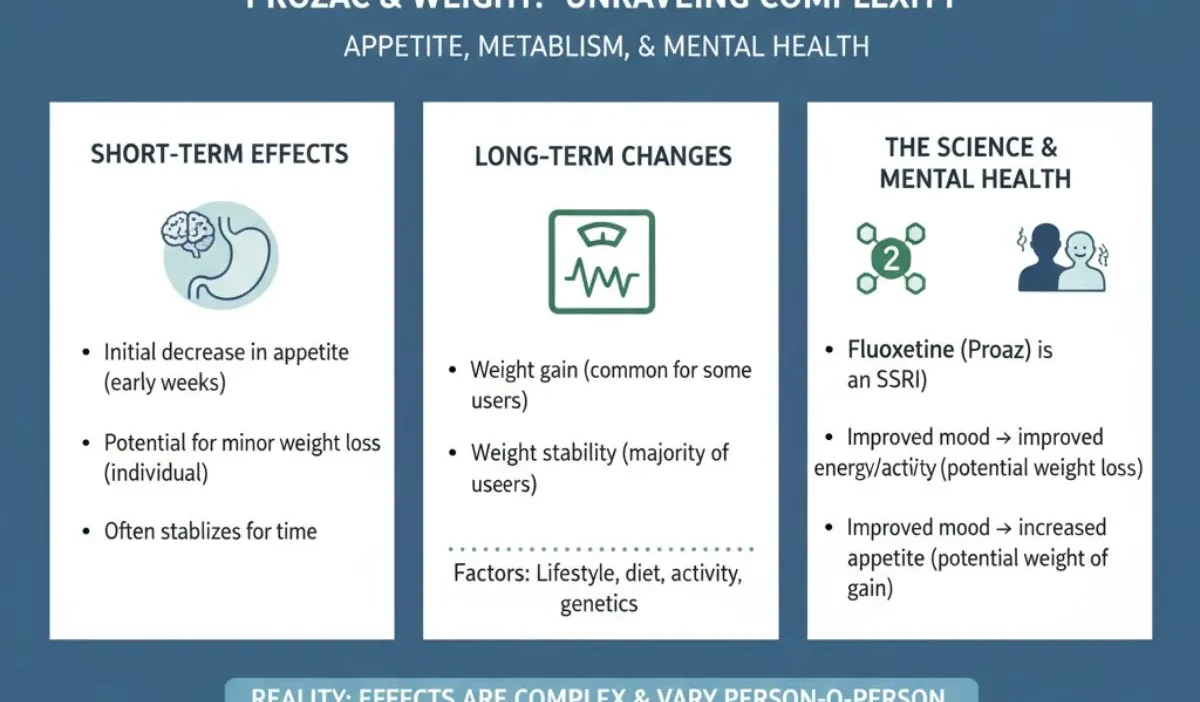
Weight changes are among the side effects reported by some people taking Prozac, but the evidence shows that experiences can vary widely. Clinical studies suggest that short-term use of Prozac may lead to mild weight loss in certain individuals. This is often attributed to reduced appetite or improvements in mood that influence eating habits. Some research indicates that people who struggled with depression-related overeating may notice the most significant early weight changes.
Over the long term, however, Prozac is generally considered weight-neutral. Most studies show that patients taking Prozac for several months or years experience minimal changes in weight, and some may even gain a small amount. Compared to other antidepressants, such as Paxil (paroxetine), which is more commonly associated with weight gain, Prozac tends to have a lower impact on body weight.
It’s important to note that research findings can differ depending on factors like age, gender, dosage, and individual metabolism. Some studies report that women are slightly more likely to experience weight changes, but overall, the effects remain mild. While Prozac can influence weight indirectly through appetite or energy levels, it is not a reliable method for weight loss.
Why Prozac May Cause Weight Loss
While Prozac is not a weight-loss medication, some people do experience mild weight loss, particularly in the first few weeks of treatment. One of the main reasons is appetite suppression. Prozac affects serotonin levels in the brain, which not only regulates mood but also influences hunger signals. Increased serotonin can reduce cravings, making it easier for some individuals to eat less without feeling deprived.
Another factor is metabolic changes. In some cases, Prozac may slightly boost metabolism, causing the body to burn calories more efficiently. However, this effect is generally modest and varies from person to person. It’s not strong enough to produce significant weight loss on its own but can contribute when combined with healthy eating habits.
Mood improvement also plays a role. Depression often leads to emotional or comfort eating, which can contribute to weight gain. As Prozac helps stabilize mood, some individuals may naturally reduce overeating, indirectly leading to weight loss.
It’s important to note that these effects are usually temporary. Many people may experience initial weight loss in the early stages of treatment, but the body often adjusts over time, and weight tends to stabilize. Ultimately, Prozac’s impact on weight is highly individual and influenced by lifestyle, diet, and overall health.
Why Some People Don’t Lose Weight
While some individuals may notice mild weight loss when starting Prozac, many people do not experience any weight change or may even gain weight. One key reason is the body’s natural adaptation. Over time, the brain and metabolism adjust to the medication, which can neutralize early appetite changes. This means initial weight loss may plateau after a few weeks or months.
Lifestyle factors also play a significant role. Physical activity levels, dietary habits, and overall caloric intake can outweigh the modest effects Prozac has on appetite or metabolism. Someone with a sedentary lifestyle or a high-calorie diet may see little to no weight change, despite taking the medication.
Genetics and metabolism further influence outcomes. People naturally vary in how their bodies respond to serotonin changes, affecting appetite, energy expenditure, and fat storage. Additionally, other medications or medical conditions, such as thyroid disorders or diabetes, can impact weight independent of Prozac.
It’s important for patients to have realistic expectations. Prozac is not a weight-loss drug, and using it for this purpose is ineffective and unsafe. Understanding that weight changes are highly individualized can help reduce frustration or anxiety for those concerned about body weight.
Risks and Considerations
While Prozac can sometimes lead to mild weight loss, it is important to understand the risks and considerations before attributing any changes solely to the medication. Unintended or rapid weight loss can be a warning sign, especially if it occurs alongside symptoms like fatigue, dizziness, digestive issues, or loss of appetite. Such changes should be discussed with a healthcare provider immediately.
Prozac can also cause side effects that indirectly affect weight. Common side effects include nausea, insomnia, headaches, and gastrointestinal discomfort. These can reduce appetite temporarily, but they are not intended or healthy methods of controlling weight. Long-term side effects are generally mild, but monitoring for changes in weight, mood, or overall health is important.
It is equally important to consider medical history and other medications. Individuals taking multiple medications may experience compounded effects on appetite or metabolism. Those with chronic illnesses, hormonal imbalances, or eating disorders should consult a doctor before starting Prozac.
Ultimately, Prozac should never be used as a weight-loss tool. Weight management should focus on sustainable lifestyle habits such as healthy eating, exercise, and sleep. Open communication with healthcare providers ensures that side effects are monitored safely, and any concerns about weight changes are addressed appropriately.
Tips to Manage Weight While on Prozac
Even though Prozac is generally weight-neutral, some individuals may experience mild weight changes, especially in the first few weeks of treatment. Implementing healthy habits can help maintain a stable weight while benefiting from the medication.
1. Monitor your eating habits. Keep track of meals and snacks to identify patterns, especially emotional or stress-related eating. Eating balanced meals with plenty of vegetables, lean proteins, and whole grains helps control calorie intake without feeling deprived.
2. Stay active. Regular exercise supports both mental health and weight management. Moderate aerobic activity like walking, cycling, or swimming, combined with strength training, can help maintain metabolism and prevent unwanted weight gain.
3. Track weight changes. Weigh yourself weekly rather than daily to notice trends without becoming overly anxious. Minor fluctuations are normal, but significant changes should be discussed with a healthcare provider.
4. Prioritize sleep and stress management. Poor sleep and high stress can affect appetite and metabolism. Practices like meditation, deep breathing, and consistent sleep schedules can help regulate weight indirectly.
5. Consult your doctor. Never adjust your Prozac dosage or stop taking it for the sake of weight. If you notice unwanted weight changes, a healthcare professional can provide guidance, suggest alternative medications, or recommend safe lifestyle strategies.
By combining these strategies, individuals can minimize the impact of Prozac on weight and focus on its primary goal improving mental health.
Prozac Compared to Other Antidepressants
When it comes to weight changes, not all antidepressants affect the body in the same way. Prozac (fluoxetine) is often considered weight-neutral or slightly weight-reducing in the short term, making it a preferred choice for individuals concerned about weight. However, other medications within the SSRI class, or different classes altogether, may have more significant impacts.
For example, paroxetine (Paxil) is frequently associated with weight gain, particularly during long-term use. Sertraline (Zoloft) and citalopram (Celexa) may also cause mild weight changes, though typically less pronounced than paroxetine. SNRIs (serotonin-norepinephrine reuptake inhibitors), like venlafaxine (Effexor) or duloxetine (Cymbalta), usually have minimal effect on weight but can vary depending on the individual. Tricyclic antidepressants, such as amitriptyline, are more commonly linked to significant weight gain.
Prozac’s relatively minimal effect on weight is likely due to its unique impact on serotonin and metabolism, which differs slightly from other medications. While some people may experience short-term appetite suppression or mild weight loss, it rarely produces long-term weight reduction.
Choosing an antidepressant should always prioritize mental health needs over potential weight effects. Doctors consider factors like symptom severity, side effect profiles, and personal medical history. For individuals concerned about weight, Prozac can be a viable option, but monitoring and healthy lifestyle habits remain essential.
FAQs About Prozac and Weight Change
1. Does Prozac make everyone lose weight?
No. While some individuals may notice mild weight loss, especially in the first few weeks, most people experience little to no change, and some may even gain a small amount of weight. Responses vary based on metabolism, lifestyle, and overall health.
2. How long does it take to see weight changes?
If weight changes occur, they usually appear within the first few weeks of starting Prozac. Over time, the body often adapts, and weight tends to stabilize. Long-term weight loss is uncommon.
3. Can I use Prozac to lose weight?
Absolutely not. Prozac is a prescription antidepressant, not a weight-loss drug. Using it solely to control weight is unsafe and ineffective. Any weight-related effects are incidental, not intentional.
4. Is weight gain possible with Prozac?
Yes, though less common than with other antidepressants. Some individuals may experience slight weight gain over months or years, often influenced by lifestyle, diet, or other medications.
5. What should I do if I notice sudden weight changes?
If you experience rapid or unexplained weight loss or gain, consult your healthcare provider. They can evaluate side effects, check for underlying medical conditions, and adjust your treatment plan if necessary.
These FAQs clarify common concerns, helping readers understand that Prozac’s primary purpose is mental health treatment, and any weight changes are highly individual and usually mild.
Conclusion
Prozac (fluoxetine) is a widely used antidepressant that has helped millions of people manage depression, anxiety, OCD, and other mental health conditions. While concerns about weight changes are common among patients, research and clinical experience show that Prozac’s impact on weight is usually mild and highly individualized. Some people may experience short-term weight loss due to appetite suppression, mood improvement, or minor metabolic changes, particularly in the first few weeks of treatment. Others may notice no change at all, or even slight weight gain over time.
It is important to remember that Prozac is not designed or prescribed for weight management. Using it as a weight-loss method is unsafe and ineffective. Instead, any weight changes should be viewed as a potential side effect and monitored responsibly, alongside other health considerations. Healthy lifestyle habits such as balanced nutrition, regular physical activity, stress management, and adequate sleep can help maintain stable weight while taking the medication.
Ultimately, the choice to start or continue Prozac should prioritize mental health benefits over potential changes in weight. Open communication with healthcare providers ensures that any concerns, including weight fluctuations, are addressed safely. By understanding how Prozac works and its possible effects on the body, patients can focus on improving mental well-being while managing their health responsibly.

I’m John, the voice behind PeacefulQuotes.com. I craft quotes that spark reflection, inspire calm, and bring a moment of peace to your day.