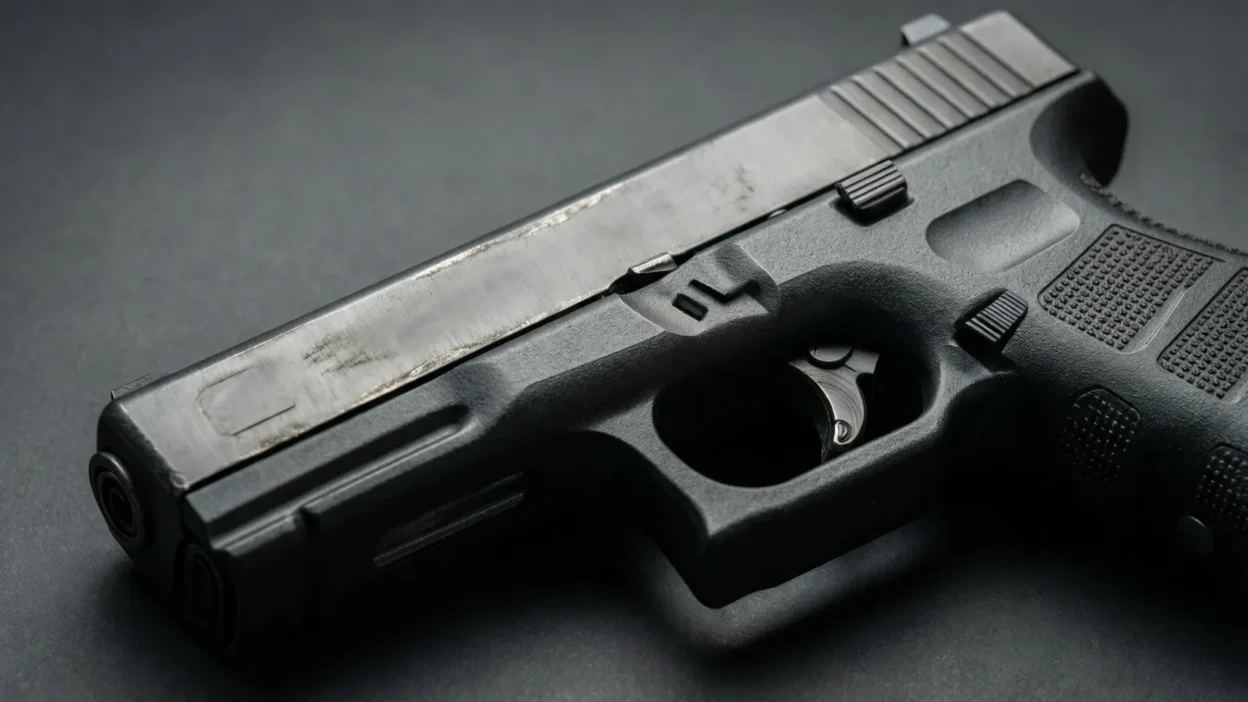
The Glock 19 weight is one of the most talked-about specifications of this legendary handgun—and for good reason. Whether you’re considering it for concealed carry, duty use, home defense, or range training, weight plays a major role in comfort, control, and overall performance. Too light, and recoil becomes harder to manage. Too heavy, and all-day carry can quickly become uncomfortable.
The Glock 19 has long been praised for striking an ideal balance between size and weight, sitting squarely between subcompact and full-size pistols. But how much does a Glock 19 actually weigh? And more importantly, what does that weight feel like in real-world use?
In this guide, we’ll break down the Glock 19’s unloaded and loaded weight, compare it to other Glock models, and explain how its weight affects recoil, accuracy, and everyday carry. By the end, you’ll know exactly whether the Glock 19’s weight makes it the right choice for your needs.
Glock 19 Weight Specifications (Quick Breakdown)
When people ask about the Glock 19 weight, they’re usually looking for a clear, no-nonsense answer. The Glock 19 has a well-documented weight profile that helps explain why it’s so versatile across different roles.
Unloaded, the Glock 19 weighs approximately 23.6 ounces (670 grams). This measurement includes the pistol with an empty magazine inserted but no ammunition. Thanks to its polymer frame, the Glock 19 is noticeably lighter than many metal-framed pistols in the same size category, which immediately benefits carry comfort and long training sessions.
Loaded, the weight increases to about 30.1 ounces, assuming a full 15-round magazine of 9mm ammunition. The added weight comes primarily from the ammunition itself, as each 9mm round weighs roughly half an ounce. While seven extra ounces may sound significant on paper, this additional mass plays a key role in recoil management and balance during firing.
Across Glock 19 generations (Gen 3, Gen 4, and Gen 5), weight differences are minimal. Small design changes such as ambidextrous controls or updated finishes—do not meaningfully affect how the pistol feels in hand or on the belt. In real-world use, most shooters would be hard-pressed to tell the difference by weight alone.
This consistent weight profile is one of the reasons the Glock 19 has remained so popular: it delivers a predictable, balanced feel whether you’re carrying it daily, training at the range, or using it for home defense.
What Contributes to the Glock 19’s Weight
The overall Glock 19 weight is the result of several key components working together to create its well-known balance and reliability. Understanding where that weight comes from helps explain why the pistol feels stable without being overly heavy.
The most significant factor is the polymer frame. Unlike all-steel or aluminum-framed handguns, Glock’s polymer construction dramatically reduces overall weight while maintaining strength and durability. This lighter frame is one of the main reasons the Glock 19 is easier to carry for extended periods compared to many similarly sized pistols.
Counterbalancing the light frame is the steel slide and barrel. These components make up a large portion of the Glock 19’s mass and are intentionally heavier to manage recoil and ensure reliable cycling. The slide’s weight helps absorb energy during firing, resulting in smoother recoil and quicker sight recovery.
Another often-overlooked contributor is the magazine and ammunition. An empty magazine adds modest weight, but once loaded with 15 rounds of 9mm, the pistol’s weight increases noticeably. Ammunition weight also varies slightly depending on bullet type and grain, which can subtly change how the gun feels in hand.
Internal components such as the recoil spring assembly, locking block, and trigger mechanism add small amounts individually but contribute to the Glock 19’s solid feel overall. Together, these elements create a handgun that feels well balanced rather than top-heavy or awkward.
This carefully engineered distribution of weight is why the Glock 19 is often described as “just right.” It’s light enough for daily carry yet heavy enough to shoot comfortably and confidently.
Glock 19 Weight Compared to Other Glock Models
One of the best ways to understand the Glock 19 weight is to compare it to other popular Glock pistols. These comparisons highlight why the Glock 19 is often considered the “sweet spot” in the lineup.
Starting with the Glock 17, the full-size option, the Glock 19 is noticeably lighter. The Glock 17 weighs about 25 ounces unloaded, making it roughly 1.5 ounces heavier than the Glock 19. While that difference seems small, it becomes more noticeable during concealed carry, especially when worn all day. The Glock 17’s longer slide and grip also shift the balance slightly, favoring duty or range use over concealment.
On the other end of the spectrum is the Glock 26, Glock’s subcompact model. Unloaded, the Glock 26 weighs about 21.7 ounces, making it lighter than the Glock 19. However, many shooters find the Glock 19 actually feels more balanced due to its longer grip and slide, which help distribute weight more evenly and improve recoil control.
Comparisons with slimline models like the Glock 43, 43X, and Glock 48 further highlight the Glock 19’s role. These pistols are significantly lighter and easier to conceal, but that reduced weight often comes at the cost of increased recoil and reduced shootability for some users.
Within Glock’s ecosystem, the Glock 19 stands out because it avoids extremes. It’s lighter and more compact than full-size models, yet heavier and more controllable than subcompacts. That balance is a major reason the Glock 19 remains one of the most popular handguns in the world.
How Glock 19 Weight Affects Shooting Performance
The Glock 19’s weight plays a major role in how the pistol performs when you actually start shooting. While specifications on paper are helpful, the real value of this weight balance becomes clear on the range.
One of the biggest advantages is recoil management. At just over 30 ounces when loaded, the Glock 19 has enough mass to absorb a significant portion of recoil energy. This makes it more controllable than ultra-light compact or micro-compact pistols, which often feel snappy and harder to manage during rapid fire. The added weight helps the slide cycle smoothly and keeps muzzle rise in check.
Weight also impacts accuracy and follow-up shots. A pistol that’s too light can be difficult to stabilize, especially for newer shooters. The Glock 19’s moderate weight allows for steadier sight alignment and quicker return to target after each shot. This is especially noticeable during drills that require multiple accurate shots in quick succession.
Another important factor is balance and pointability. With a loaded magazine, the Glock 19’s center of gravity sits comfortably in the hand rather than feeling top-heavy or awkward. This balanced feel makes the pistol intuitive to aim and comfortable to shoot for extended sessions.
Over longer range trips, the Glock 19’s weight also reduces shooter fatigue compared to heavier, all-metal handguns. You get the benefits of recoil control without the arm strain that comes from significantly heavier pistols.
Overall, the Glock 19’s weight strikes an effective balance—heavy enough to shoot well, yet light enough to remain comfortable and practical.
Glock 19 Weight for Concealed Carry
For many owners, the biggest question surrounding Glock 19 weight is whether it’s suitable for concealed carry. With an unloaded weight of 23.6 ounces and a loaded weight just over 30 ounces, the Glock 19 sits in a middle ground that works well for a large number of carriers.
In real-world concealed carry, the Glock 19 is not “light,” but it’s far from overly heavy. Most of the perceived weight comes down to carry position and equipment rather than the pistol itself. Inside-the-waistband (IWB) and appendix carry (AIWB) are the most common methods, and both can comfortably support the Glock 19 when paired with a quality holster and a sturdy gun belt. A poor belt will make even a lighter pistol feel uncomfortable, while proper gear can make the Glock 19 feel surprisingly manageable.
Weight distribution also matters. The Glock 19’s compact slide and grip help keep the pistol close to the body, reducing pressure points and hot spots during all-day wear. Compared to lighter micro-compacts, the Glock 19 may feel heavier initially, but many carriers find it more stable and less prone to shifting.
Clothing choices play a role as well. A proper cover garment and belt setup can easily support the Glock 19’s weight without printing. For many people, the added weight is a worthwhile tradeoff for increased capacity, better recoil control, and improved shootability.
Ultimately, the Glock 19’s weight makes it one of the most popular concealed carry pistols because it balances comfort with performance.
Glock 19 Weight for Duty, Home Defense, and Range Use
Beyond concealed carry, the Glock 19 weight makes it exceptionally well-suited for duty use, home defense, and range training. This versatility is a major reason why law enforcement agencies and civilian shooters alike continue to rely on it.
For duty carry, the Glock 19’s weight is ideal. When carried on a duty belt or in an OWB holster, the extra ounces compared to smaller pistols are barely noticeable. Instead, the slightly heavier, more stable platform provides better recoil control and durability during high round counts. This balance is one reason many agencies choose the Glock 19 as a standard-issue or approved sidearm.
In a home defense role, weight becomes even less of a concern and more of an advantage. The Glock 19’s mass helps reduce muzzle rise and allows for faster, more accurate follow-up shots under stress. When paired with a weapon light, the added weight up front can further improve stability without making the pistol unwieldy.
At the range, the Glock 19’s moderate weight really shines. It’s light enough to avoid fatigue during long practice sessions but heavy enough to shoot comfortably and consistently. New shooters often find it easier to learn proper grip and recoil control with the Glock 19 than with lighter pistols.
Compared to heavier, all-metal handguns, the Glock 19 offers a more forgiving shooting experience without sacrificing performance. Whether on duty, at home, or on the range, the Glock 19’s weight contributes to its reputation as one of the most practical and well rounded pistols ever made.
Glock 19 Weight With Common Modifications
Adding accessories can noticeably change the Glock 19 weight, and understanding these changes is important when setting up the pistol for carry or duty use. While each modification adds only a small amount of weight on its own, the combined effect can influence balance and comfort.
One of the most common upgrades is a weapon mounted light. Popular compact lights typically add several ounces to the front of the pistol. This forward weight can actually improve recoil control and muzzle stability, especially during rapid fire. However, for concealed carry, the added weight may require a sturdier belt and holster designed to support both the pistol and the light.
Optics ready (MOS) models and red dot sights also add weight, though usually only an ounce or two. Because optics sit high on the slide, they can slightly raise the pistol’s center of gravity. In practice, most shooters adapt quickly, and many find the benefits of faster target acquisition outweigh the minimal weight increase.
Extended magazines and base plates further increase overall carry weight. While they improve capacity and grip length, they also shift weight downward, which can affect concealment. This is less of an issue for range or duty use, but it’s worth considering for everyday carry.
Other modifications, such as threaded barrels or compensators, add forward mass that can reduce muzzle rise but make the pistol feel heavier overall. The key is balance each modification should serve a clear purpose.
With thoughtful setup, the Glock 19 remains well balanced even with accessories, maintaining its reputation for versatility.
Glock 19 Weight vs Competing Pistols
When evaluating the Glock 19 weight, it’s helpful to compare it with other popular compact handguns in the same category. These comparisons show why the Glock 19 continues to hold its own in a crowded market.
One common comparison is the SIG P320 Compact. The P320 Compact is slightly heavier when unloaded, largely due to its different frame and slide design. While some shooters appreciate the added mass for recoil control, others find the Glock 19 easier to carry for long periods because of its lighter overall feel and simpler profile.
The Smith & Wesson M&P 2.0 Compact falls very close to the Glock 19 in weight. In practical use, the difference is minimal, but the Glock 19 often feels more balanced due to its slide geometry and grip angle. This balance contributes to smoother transitions between targets and consistent handling.
Another frequent comparison is the CZ P-10 C, which is slightly heavier and has a more aggressive grip texture. While the extra weight can help with recoil, it can also make concealed carry less comfortable for some users. The Glock 19’s lighter, cleaner design gives it an edge for all-day carry.
Across these competitors, the Glock 19 consistently stands out for achieving a near-perfect middle ground. It’s not the lightest compact pistol available, but it avoids the drawbacks of ultra-light designs. At the same time, it’s lighter and easier to carry than many metal-framed alternatives, reinforcing its reputation as a practical, do-it-all handgun.
Pros and Cons of the Glock 19’s Weight
Like any handgun, the Glock 19’s weight comes with both advantages and tradeoffs. Understanding these pros and cons helps determine whether it’s the right fit for your specific needs.
One of the biggest advantages is balance. The Glock 19 is heavy enough to manage recoil effectively while remaining light enough for extended carry and training. This makes it appealing to a wide range of shooters, from beginners to experienced professionals. Its moderate weight also contributes to smoother follow-up shots and better overall control compared to lighter compact pistols.
Another benefit is versatility. The Glock 19’s weight works well across multiple roles, including concealed carry, duty use, home defense, and range practice. Unlike heavier all-metal pistols, it doesn’t cause excessive fatigue during long shooting sessions, yet it still feels solid and reliable in hand.
On the downside, the Glock 19 is heavier than micro-compacts designed specifically for deep concealment. For users with smaller frames or those who prefer minimal carry weight, the Glock 19 may feel noticeable during all-day carry without proper gear. This makes a quality holster and belt essential.
Additionally, when fully loaded and equipped with accessories like a light or optic, the Glock 19’s weight can add up. While this improves performance, it may reduce comfort for some carriers.
Overall, the Glock 19’s weight represents a carefully chosen compromise one that favors real world usability over extremes in either direction.
Who the Glock 19 Weight Is Best For
The Glock 19’s weight makes it an excellent choice for a wide range of shooters, but it truly shines for certain types of users. Understanding who benefits most from this balance can help determine whether it’s the right pistol for you.
For first-time handgun owners, the Glock 19’s moderate weight is a major advantage. It’s heavy enough to reduce recoil and promote better control, which helps new shooters build confidence and proper fundamentals. At the same time, it’s not so heavy that it becomes intimidating or tiring to handle.
Concealed carriers who want a balance between comfort and performance also benefit from the Glock 19’s weight. While lighter pistols are easier to forget you’re carrying, they often sacrifice shootability. The Glock 19 offers manageable carry weight while providing better recoil control, higher capacity, and a full grip for most hands.
For law enforcement and security professionals, the Glock 19’s weight is ideal for duty use. It’s light enough to carry for long shifts yet robust enough to handle high round counts and demanding conditions. This balance explains its widespread adoption among agencies worldwide.
Range enthusiasts and frequent trainers also appreciate the Glock 19’s weight. It allows for extended practice sessions without excessive fatigue, making it easier to stay consistent and focused.
In short, the Glock 19’s weight is best suited for shooters who value versatility and real-world performance over extremes in either ultra-light or heavy handgun designs.
Frequently Asked Questions About Glock 19 Weight
Because the Glock 19 weight is such a common point of interest, several questions come up repeatedly among prospective buyers and current owners. Below are clear, practical answers to the most frequently asked questions.
How much does a Glock 19 weigh fully loaded?
A fully loaded Glock 19 weighs approximately 30.1 ounces, based on a standard 15-round magazine filled with 9mm ammunition. The exact weight can vary slightly depending on bullet type and grain.
Does Glock 19 weight change with different ammo?
Yes. Heavier bullet weights, such as 147-grain rounds, will add a small amount of extra weight compared to lighter 115-grain ammunition. While the difference is minimal, it can slightly affect balance and feel.
Is the Glock 19 heavier than the Glock 26?
Yes. The Glock 19 is heavier than the Glock 26, but many shooters find the Glock 19 feels more balanced due to its longer grip and slide, which can improve recoil control.
Is the Glock 19 too heavy for everyday carry?
For most people, no. With a quality holster and belt, the Glock 19’s weight is very manageable for everyday carry. Comfort depends more on gear and carry position than the pistol itself.
Does adding a light or optic make the Glock 19 uncomfortable?
Accessories add weight, but many users find the performance benefits—such as improved recoil control and faster target acquisition—outweigh the slight increase in carry weight.
These answers highlight why the Glock 19 remains a popular choice despite ongoing debates about weight.
Final Verdict: Is the Glock 19 Weight Ideal?
When everything is considered, the Glock 19 weight is one of the key reasons this pistol has earned its legendary status. It represents a carefully engineered middle ground that avoids the common pitfalls of both ultra-light and overly heavy handguns.
At just under 24 ounces unloaded and a little over 30 ounces loaded, the Glock 19 is light enough to be carried comfortably yet heavy enough to shoot well under a wide range of conditions. This balance directly translates into better recoil control, improved accuracy, and greater confidence especially during rapid fire or high-stress situations. Few pistols manage to combine these traits as effectively.
For concealed carry, the Glock 19’s weight is very manageable with the right holster and belt setup. While it may not disappear like a micro-compact, it rewards the carrier with better shootability, higher capacity, and a more forgiving shooting experience. For duty use, home defense, and range training, the weight becomes even more of an advantage, contributing to stability and reduced fatigue.
Importantly, the Glock 19’s weight remains consistent and predictable, even across generations and common modifications. This reliability allows shooters to train extensively with one setup and trust it across multiple roles.
In the end, the Glock 19’s weight isn’t just “acceptable” it’s intentional. It’s a major reason why so many shooters consider the Glock 19 the benchmark for compact handguns and one of the most practical pistols ever made.

I’m Leo Tolstoy, sharing timeless wisdom on PeacefulQuotes.com. My quotes aim to inspire reflection, inner calm, and thoughtful moments in everyday life.