Losing weight isn’t just about eating less it’s about eating smarter. Choosing the right protein sources can make a significant difference in how full you feel, how well your metabolism functions, and how sustainable your diet is over time. Among the many options available, seafood often stands out for its nutritional value, and shrimp is one of the most popular choices. But is shrimp good for weight loss, or is it just another diet trend?
Shrimp is widely known for being low in calories and high in protein, making it an appealing option for people trying to shed excess weight. At the same time, questions about cholesterol, preparation methods, and portion sizes leave many people unsure whether shrimp truly deserves a place in a weight loss diet. In this article, we’ll take a deep dive into the nutritional profile of shrimp, explore how it supports fat loss, and examine the best ways to include it in a healthy, calorie-controlled eating plan.
Nutritional Profile of Shrimp
Shrimp is considered one of the most nutrient-dense protein sources available, especially for those focused on weight loss. A standard 100-gram serving of cooked shrimp contains roughly 95–100 calories, making it extremely low in calories compared to many animal proteins. Despite the low calorie count, shrimp delivers an impressive 20–24 grams of high-quality protein, which helps support muscle maintenance and promotes feelings of fullness.
One of shrimp’s biggest advantages for weight loss is its very low fat content. Most of the fat present is unsaturated, with minimal saturated fat, making shrimp a heart-friendly protein choice. Shrimp is also naturally carbohydrate-free, which allows it to fit easily into low-carb, keto, and calorie-restricted diets.
Beyond macronutrients, shrimp is rich in essential micronutrients that support overall health and metabolism. It provides significant amounts of vitamin B12, which is important for energy production, as well as selenium, a powerful antioxidant that supports thyroid function. Shrimp also contains iodine, a key mineral involved in regulating metabolism, and small amounts of omega-3 fatty acids that contribute to reduced inflammation.
Because shrimp delivers high protein with very few calories, it allows you to eat satisfying portions without exceeding your daily calorie goals—an important factor for sustainable weight loss.
How Shrimp Supports Weight Loss
Shrimp supports weight loss primarily through its high protein content combined with a very low calorie load. Protein plays a critical role in appetite control by increasing satiety and reducing overall calorie intake throughout the day. Meals rich in protein help regulate hunger hormones such as ghrelin, making you feel fuller for longer and decreasing the likelihood of snacking between meals.
Another advantage of shrimp is its low energy density, meaning you can consume a satisfying portion without consuming many calories. This is especially helpful for individuals who struggle with portion control or feel hungry on traditional calorie-restricted diets. Shrimp allows for larger meal volumes while still supporting a calorie deficit.
Protein-rich foods like shrimp also have a higher thermic effect, which means your body burns more calories digesting protein compared to fats or carbohydrates. While this effect is modest, it contributes to overall daily calorie expenditure and supports fat loss over time.
Additionally, shrimp helps preserve lean muscle mass during weight loss. Maintaining muscle is essential because muscle tissue plays a key role in keeping your metabolism active. When combined with resistance training or regular physical activity, shrimp can be an excellent protein source to support fat loss while maintaining strength and energy levels.
Overall, shrimp’s unique combination of high protein, low calories, and metabolic benefits makes it a strong ally in a well-balanced weight loss plan.
Shrimp in Popular Weight Loss Diets
Shrimp fits seamlessly into many popular weight loss diets due to its flexible macronutrient profile. For those following a low-carb or ketogenic diet, shrimp is an excellent choice because it contains virtually no carbohydrates while providing high-quality protein. This makes it easy to include shrimp in meals without disrupting ketosis or daily carb limits.
In a Mediterranean-style diet, shrimp contributes lean protein along with beneficial nutrients like omega-3 fatty acids and antioxidants such as selenium. When paired with vegetables, olive oil, and whole foods, shrimp supports heart health while promoting sustainable weight loss. Its light, clean flavor also makes it easy to incorporate into balanced meals without heavy sauces.
Shrimp is also well suited for individuals practicing intermittent fasting. Because protein helps stabilize blood sugar and control hunger, shrimp-based meals can be an effective way to break a fast. A shrimp meal can help prevent overeating later in the day while supporting muscle recovery and energy levels.
For those tracking calories or macros, shrimp offers predictable nutrition and portion control. It allows dieters to increase protein intake without significantly increasing calories, making it ideal for calorie-deficit diets. Whether grilled, boiled, or sautéed lightly, shrimp can adapt to nearly any weight loss strategy while helping maintain consistency and satisfaction over time.
Best Ways to Eat Shrimp for Weight Loss
How shrimp is prepared plays a major role in whether it supports or hinders weight loss. While shrimp itself is low in calories, unhealthy cooking methods can quickly turn it into a high-calorie meal. Choosing lighter preparation techniques helps preserve its nutritional value while keeping calories in check.
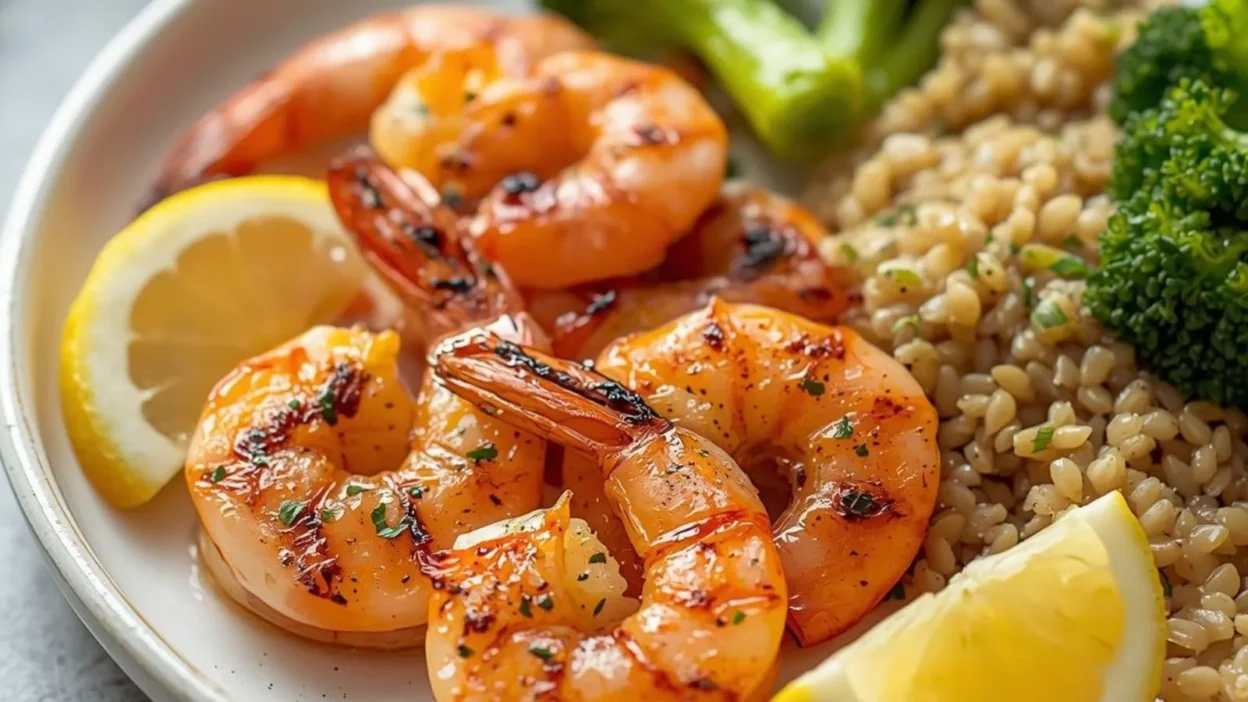
Grilling, steaming, boiling, and air-frying are among the best cooking methods for weight loss. These techniques require little to no added fat and allow shrimp’s natural flavor to shine. Grilled shrimp with herbs, lemon, and spices is both filling and low in calories, while steamed or boiled shrimp works well in salads and bowls.
On the other hand, fried or breaded shrimp should be limited or avoided. Deep-frying significantly increases calorie and fat content, and breading adds refined carbohydrates that can slow weight loss progress. Heavy sauces made with butter, cream, or sugar can also undermine shrimp’s natural health benefits.
For balanced meals, shrimp pairs well with non-starchy vegetables, leafy greens, and whole foods. Adding shrimp to stir-fries, lettuce wraps, or grain bowls allows for a satisfying meal without excessive calories. Portion control is still important, but shrimp’s high protein content helps you feel full with smaller amounts.
Potential Downsides of Shrimp for Weight Loss
While shrimp can be an excellent food for weight loss, it’s important to be aware of potential downsides so it can be consumed wisely. One of the most commonly discussed concerns is shrimp’s cholesterol content. Shrimp is relatively high in dietary cholesterol, which may be a concern for individuals with specific cholesterol-related health conditions. However, research shows that for most healthy people, dietary cholesterol has a limited impact on blood cholesterol levels when consumed in moderation.
Another consideration is sodium, especially in frozen, packaged, or restaurant-prepared shrimp. Many processed shrimp products are treated with sodium-based preservatives, which can lead to water retention and bloating. Choosing fresh shrimp or checking labels for low-sodium options can help minimize this issue.
Shrimp is also a common allergen, and individuals with shellfish allergies should avoid it entirely. Even small amounts can trigger serious reactions in sensitive individuals.
Lastly, quality and sourcing matter. Some farmed shrimp may contain additives or be produced using unsustainable practices. Opting for wild-caught or responsibly farmed shrimp helps ensure better nutritional quality and supports environmental sustainability.
When eaten in moderation and prepared healthfully, shrimp remains a weight-loss-friendly food. Being mindful of cholesterol concerns, sodium levels, and sourcing allows you to enjoy shrimp’s benefits without compromising your health or progress.
How Much Shrimp Should You Eat for Weight Loss?
Portion control plays a key role in using shrimp effectively for weight loss. Although shrimp is low in calories, eating excessive amounts—especially when paired with sauces or oils—can still interfere with a calorie deficit. For most individuals, a healthy serving size of shrimp is about 3 to 4 ounces (85–115 grams) per meal, which provides roughly 18–24 grams of protein with minimal fat and calories.
This portion size is generally sufficient to promote satiety while allowing room for vegetables, whole grains, or healthy fats on the plate. People with higher protein needs, such as those who are physically active or engaging in strength training, may benefit from slightly larger portions, as long as total daily calories remain in check.
In terms of frequency, shrimp can safely be consumed 2 to 4 times per week as part of a balanced diet. Rotating shrimp with other lean protein sources—such as fish, chicken, eggs, or plant-based proteins—helps ensure a broader range of nutrients and prevents dietary monotony.
Pairing shrimp with fiber-rich foods like leafy greens, broccoli, or legumes can further enhance fullness and digestive health. When combined with mindful portions and balanced meals, shrimp can support consistent weight loss without feelings of deprivation.
Understanding appropriate serving sizes helps you maximize shrimp’s benefits while maintaining long-term dietary balance and sustainability.
Shrimp Myths and Misconceptions
Despite its popularity, shrimp is often surrounded by myths that can cause confusion for people trying to lose weight. One of the most common beliefs is that shrimp is unhealthy due to its cholesterol content. While shrimp does contain dietary cholesterol, current research indicates that cholesterol from food has a limited effect on blood cholesterol levels for most healthy individuals. When eaten in moderation, shrimp does not significantly increase the risk of heart disease.
Another misconception is that shrimp won’t keep you full because it’s low in fat. In reality, shrimp’s high protein content plays a much larger role in satiety than fat alone. Protein slows digestion and helps regulate hunger hormones, making shrimp-based meals surprisingly filling when paired with vegetables or fiber-rich sides.
Some people also believe that seafood, including shrimp, is inferior to chicken or meat for fat loss. However, shrimp provides comparable protein with fewer calories and less saturated fat, making it a strong alternative for weight-conscious eaters.
Finally, there is a myth that shrimp slows metabolism or causes weight gain. Shrimp itself does not lead to weight gain; rather, preparation methods like frying or using sugary sauces are typically responsible for excess calories.
Understanding these misconceptions helps you make informed choices and confidently include shrimp in a healthy, weight loss-focused diet.
Shrimp and Overall Health Benefits
Beyond weight loss, shrimp offers several health benefits that support overall well-being. One of its key advantages is its contribution to heart health. Shrimp contains omega-3 fatty acids, which help reduce inflammation, support healthy blood vessels, and may lower the risk of cardiovascular disease when consumed as part of a balanced diet.
Shrimp is also rich in selenium, a powerful antioxidant that plays an important role in protecting cells from oxidative stress. Selenium supports immune function and contributes to proper thyroid activity, which is essential for maintaining a healthy metabolism. In addition, shrimp provides iodine, a mineral crucial for thyroid hormone production and energy regulation.
Another notable benefit is shrimp’s high vitamin B12 content. Vitamin B12 is essential for red blood cell formation, nervous system function, and energy metabolism. Adequate B12 intake helps reduce fatigue and supports physical activity, which can indirectly contribute to weight management.
Shrimp also supplies smaller amounts of zinc and phosphorus, minerals that support muscle function, bone health, and tissue repair. Because shrimp is low in calories yet nutrient-dense, it allows individuals to meet their nutritional needs without excessive energy intake.
When incorporated regularly and prepared healthfully, shrimp supports not only weight loss goals but also long-term metabolic, cardiovascular, and overall health.
FAQs: Shrimp and Weight Loss
Is shrimp good for losing belly fat?
Shrimp does not specifically target belly fat, but its high protein and low calorie content can support overall fat loss when combined with a calorie-controlled diet and regular exercise. Reducing total body fat typically leads to a reduction in belly fat over time.
Can you eat shrimp every day while dieting?
Eating shrimp every day is generally safe for most healthy individuals, as long as portions are controlled and preparation methods are healthy. However, it’s best to rotate shrimp with other protein sources to maintain nutrient balance and avoid excessive cholesterol or sodium intake.
Is shrimp better than chicken for weight loss?
Shrimp and chicken breast are both excellent lean protein sources. Shrimp is lower in calories, while chicken may be slightly more filling due to its texture. The best choice depends on personal preference and dietary needs.
Does shrimp slow down metabolism?
No, shrimp does not slow metabolism. In fact, its protein content and iodine levels may help support metabolic function when consumed as part of a balanced diet.
Is shrimp keto and low-carb friendly?
Yes, shrimp contains virtually no carbohydrates, making it suitable for keto and low-carb diets when prepared without breading or sugary sauces.
Final Verdict: Is Shrimp Good for Weight Loss?
Shrimp can be an excellent addition to a weight loss diet when consumed mindfully and prepared in healthy ways. Its combination of high-quality protein, very low calorie content, and minimal fat makes it one of the most efficient protein sources for supporting fat loss. By helping control appetite, preserve lean muscle, and fit easily into a calorie deficit, shrimp offers clear advantages for those trying to lose weight.
Beyond weight loss, shrimp provides valuable nutrients such as vitamin B12, selenium, iodine, and omega-3 fatty acids, which support metabolism, energy levels, and overall health. These benefits make shrimp more than just a diet food—it’s a nutrient-dense option that contributes to long-term wellness.
However, shrimp is not a magic solution. Portion control, cooking methods, and overall dietary balance remain essential. Fried shrimp, heavy sauces, and excessive sodium can quickly cancel out its benefits. Individuals with shellfish allergies or specific cholesterol concerns should also approach shrimp with caution.
When paired with vegetables, whole foods, and an active lifestyle, shrimp can be a satisfying and sustainable protein choice. Ultimately, shrimp is not only good for weight loss—it can also make healthy eating more enjoyable, which is often the key to maintaining results over time.

I’m Agatha Christie, the voice behind PeacefulQuotes.com. I craft thoughtful words and timeless quotes that bring calm, clarity, and a touch of wisdom to everyday life.