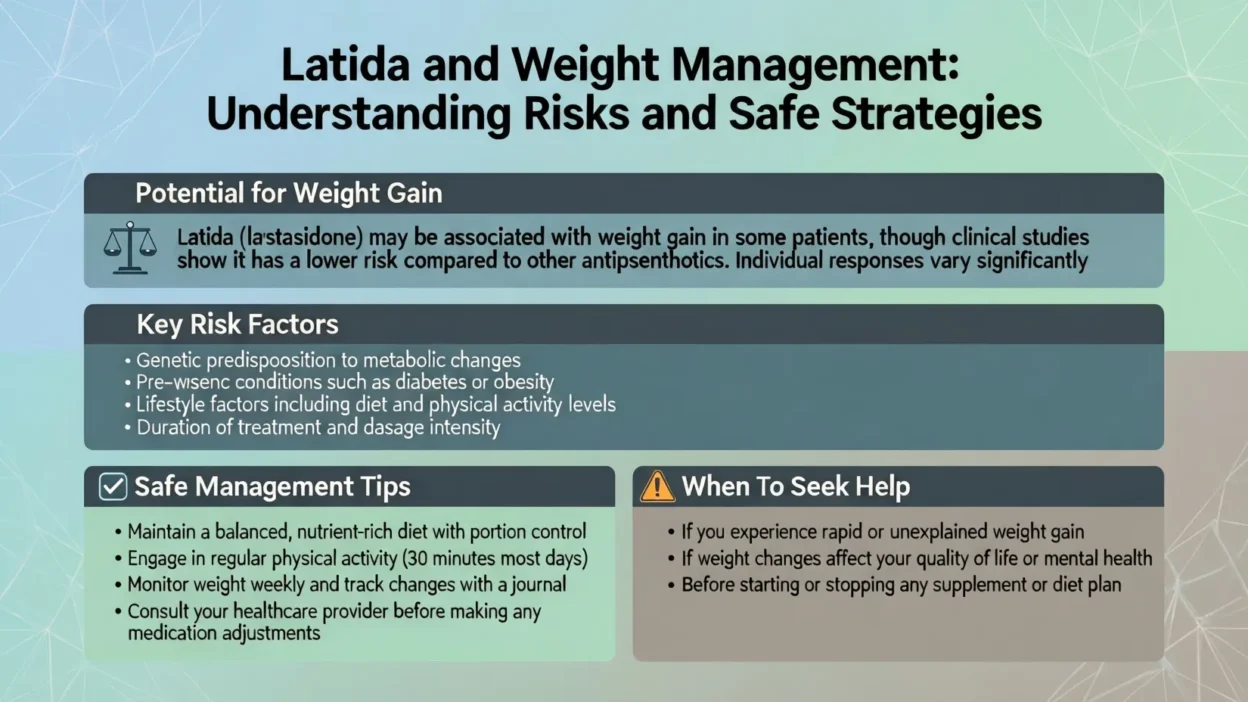
Latuda (lurasidone) is a widely prescribed antipsychotic used to treat conditions such as schizophrenia and medical depression. While it is often praised for being “weight-neutral” compared to other antipsychotics, some patients still experience changes in body weight while taking it.
Weight gain can be a significant concern, not only affecting physical health but also impacting self-esteem, medication adherence, and overall quality of life. Understanding how Latuda may influence weight, why it happens, and what strategies can help manage it is essential for anyone starting or currently taking this medication.
In this article, we’ll explore the scientific evidence on Latuda and weight gain, compare it with other antipsychotics, and provide practical tips to maintain a healthy weight while benefiting from its mental health effects. Whether you are a patient, caregiver, or healthcare provider, this guide offers a comprehensive look at this important topic.
What is Latuda?
Latuda, also known by its generic name lurasidone, is an atypical antipsychotic medication primarily prescribed for schizophrenia and medical depression. It belongs to the same class of drugs as medications like risperidone and olanzapine but is often considered more “weight-friendly,” which makes it an appealing choice for patients concerned about metabolic side effects. Latuda works by modulating neurotransmitters in the brain, particularly dopamine and serotonin, which play a key role in mood, thought processes, and behavior.
Approved by the FDA, Latuda has demonstrated effectiveness in reducing symptoms such as hallucinations, delusions, mood swings, and depression associated with mental health disorders. While it is generally well-tolerated, like all antipsychotics, it comes with potential side effects, including nausea, drowsiness, restlessness, and, in some cases, weight changes.
One of the reasons Latuda is often recommended over other antipsychotics is its lower risk of weight gain and metabolic disturbances, though research shows that some patients may still experience weight changes depending on factors like diet, activity level, genetics, and dosage. Understanding these nuances is essential for managing physical health while maintaining the mental health benefits of the medication.
Weight Gain and Latuda: The Evidence
When it comes to antipsychotic medications, weight gain is a common concern, but Latuda is often highlighted for its relatively lower risk. Clinical studies suggest that while most patients taking Latuda experience minimal weight changes, a subset may still gain weight over time. Research indicates that average weight gain for Latuda users is typically modest, often ranging from 1 to 3 kilograms over several months, which is significantly lower compared to medications like olanzapine or quetiapine, where weight gain can be more pronounced.
Several clinical trials have tracked Latuda’s effects on metabolism and body weight. For example, studies measuring BMI and lipid profiles found that most patients maintained stable weight and metabolic markers, although individual responses varied. Factors such as baseline weight, diet, activity level, and genetics play a role in determining who may be more susceptible to weight gain.
It is also important to compare Latuda with other antipsychotics. While some drugs are notorious for causing rapid and significant weight gain, Latuda’s profile makes it a preferred option for patients where weight management is a priority. However, even modest weight gain can impact a patient’s motivation, self-esteem, and adherence to treatment, making awareness and monitoring essential.
Why Does Latuda Cause Weight Gain?
Even though Latuda is generally considered “weight-neutral,” some patients still experience weight changes. Understanding why this happens requires looking at how the medication interacts with the body. One key factor is appetite regulation. Latuda affects neurotransmitters like dopamine and serotonin, which influence hunger, satiety, and food cravings. For some individuals, this can lead to increased appetite or preference for high-calorie foods, contributing to gradual weight gain.
Another factor is metabolic changes. While Latuda has a lower risk than many other antipsychotics, it can still subtly affect how the body stores fat and processes glucose. Changes in insulin sensitivity or lipid metabolism may occur, particularly in patients with pre-existing metabolic risk factors such as obesity or diabetes.
Lifestyle and activity levels also play a role. Fatigue or sedation, even mild, may reduce daily physical activity, leading to fewer calories burned. Genetics and individual biology further influence susceptibility; some patients may gain weight more easily due to inherent metabolic tendencies.
Finally, dosage and duration of treatment can impact weight changes. Higher doses or long-term use may slightly increase the likelihood of weight gain, though the effect is usually modest compared to other antipsychotics. Awareness of these mechanisms is essential for proactive weight management while on Latuda.
Signs and Symptoms to Watch For
Even modest weight gain while taking Latuda can have meaningful effects on health and well-being, so monitoring early signs is crucial. One of the first indicators is a gradual increase in body weight, often noticeable on the scale over weeks or months. Patients may also notice changes in waist circumference or body shape, particularly around the abdomen, which can signal increased visceral fata risk factor for metabolic problems.
Beyond physical appearance, subtle metabolic changes can occur. These include fluctuations in blood sugar, cholesterol, or triglyceride levels, which may not be immediately obvious without lab tests. Fatigue, low energy, or mild bloating can sometimes accompany these changes, even if weight gain seems minimal.
Other behavioral signs can indicate an increased risk of weight gain. For instance, heightened cravings for sugary or high-calorie foods may appear, or patients may experience reduced motivation for physical activity due to mild sedation or mood changes.
Regular monitoring is key. Patients should track their weight weekly, measure waist circumference monthly, and consult their healthcare provider for periodic blood work. Early detection allows for timely interventions, whether through dietary adjustments, exercise, or discussions about medication management. Recognizing these signs early helps maintain both physical health and adherence to Latuda treatment.
Managing Weight Gain While on Latuda
While some weight gain on Latuda may be unavoidable, there are several strategies to help manage it effectively. Lifestyle modifications are often the first and most impactful approach. Maintaining a balanced diet rich in vegetables, lean proteins, whole grains, and healthy fats can help control calorie intake without compromising nutrition. Limiting sugary drinks, processed foods, and excessive snacks is particularly important for patients at risk of weight gain.
Regular physical activity is another cornerstone. Even moderate exercise, such as walking, cycling, or resistance training for 30 minutes a day, can help maintain weight and improve metabolism. Combining aerobic activity with strength training is ideal for burning calories and preserving muscle mass.
Medical monitoring also plays a key role. Healthcare providers may recommend regular weight checks, BMI tracking, and lab tests for blood sugar and cholesterol. These assessments help identify changes early and guide interventions.
In some cases, clinicians may consider adjusting the medication dose or exploring alternative treatments, though this should always be done under professional supervision. Behavioral support, including nutrition counseling or therapy, can further enhance adherence to healthy habits.
By proactively combining lifestyle strategies, medical monitoring, and professional guidance, patients can minimize weight gain while continuing to benefit from Latuda’s mental health effects. Early action is key to balancing physical and mental well-being.
Alternatives and Considerations
For patients concerned about weight gain on Latuda, it is important to understand that options exist, but any changes should be made carefully under medical supervision. While Latuda is often preferred for its lower risk of weight gain, some individuals may still experience unwanted changes, prompting discussion of alternatives.
One consideration is switching to another antipsychotic with an even lower risk of weight gain. Medications such as aripiprazole or ziprasidone are sometimes recommended for patients sensitive to metabolic changes, though each drug comes with its own side effect profile. Deciding to switch involves evaluating the balance between mental health benefits and potential physical side effects, as abrupt changes in medication can destabilize mood or exacerbate symptoms.
Another approach is adjusting the dose, which may reduce side effects while maintaining therapeutic effects, but this must always be guided by a healthcare provider. Additionally, combining Latuda with lifestyle interventions like diet, exercise, and behavioral supportcan sometimes make a switch unnecessary.
Ultimately, patients should work closely with their psychiatrist or primary care provider to weigh options. Factors such as severity of weight gain, comorbid conditions, and personal preferences all play a role. Thoughtful monitoring and collaboration ensure that mental health remains the priority, while minimizing any adverse physical effects.
FAQs About Latuda and Weight Gain
1. Does everyone gain weight on Latuda?
No. While Latuda has a relatively low risk of weight gain compared to other antipsychotics, individual responses vary. Some patients experience minimal or no weight change, while others may gain a few kilograms over time. Genetics, diet, activity level, and dosage all influence outcomes.
2. How quickly does weight gain occur?
If weight gain occurs, it usually develops gradually over several weeks or months. Rapid increases are uncommon but should be discussed with a healthcare provider. Regular monitoring helps detect changes early.
3. Can weight gain be reversed if Latuda is stopped?
Weight may stabilize or decrease after stopping the medication, especially when combined with healthy lifestyle habits. However, stopping Latuda without medical supervision is not recommended, as it can lead to a relapse of psychiatric symptoms.
4. Are there diets proven to help?
No single diet guarantees prevention, but balanced, nutrient-rich meals with controlled calories can help. Reducing processed foods and sugar while increasing protein, fiber, and healthy fats supports weight management.
5. What should I do if I notice weight gain?
Track your weight, consult your doctor, and consider lifestyle adjustments. Your healthcare provider may suggest monitoring labs, adjusting dosage, or adding exercise and nutrition strategies to manage the changes.
Conclusion
Weight gain is a potential side effect for some patients taking Latuda, though it is generally considered to have a lower risk compared to many other antipsychotic medications. Understanding the factors that contribute to weight changes such as appetite changes, metabolic effects, genetics, and lifestyle habits is key to managing this side effect effectively. Awareness and proactive monitoring can make a significant difference in maintaining both physical health and mental well-being.
Patients should track their weight regularly, monitor changes in waist circumference, and stay attentive to subtle metabolic signals such as changes in blood sugar or cholesterol. Combining healthy dietary choices, consistent physical activity, and behavioral support can help minimize weight gain while preserving the mental health benefits of Latuda. In some cases, discussion with a healthcare provider about dose adjustments or alternative medications may be appropriate, especially if weight gain becomes significant or impacts quality of life.
Ultimately, the goal is to balance effective psychiatric treatment with overall health. Latuda remains an important option for many patients, offering symptom relief with a relatively favorable side effect profile. By staying informed, monitoring changes, and implementing practical strategies, patients can continue treatment confidently while managing their weight and overall wellness.

I’m Etalia Robert, the mind behind PeacefulQuotes.com. I share thoughtful words and meaningful quotes that inspire calm, reflection, and a little spark of wisdom in everyday life.