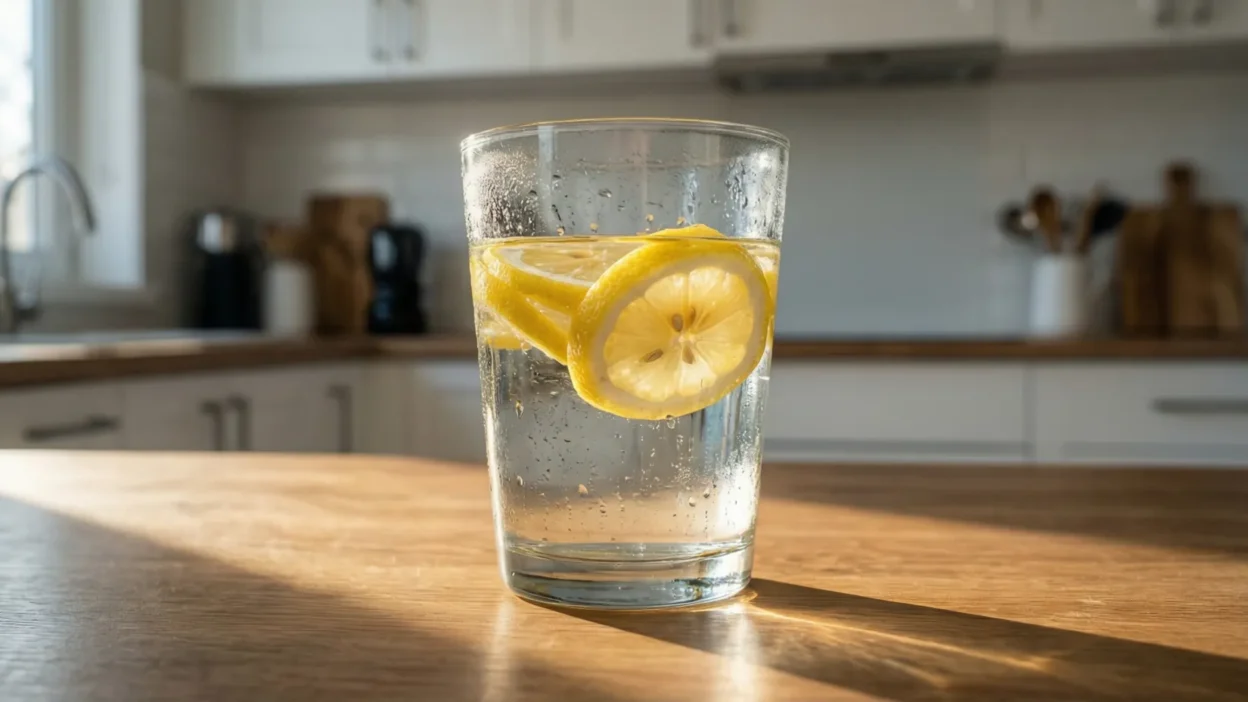
Lemon water has become one of the most talked-about natural remedies for weight loss, praised by fitness enthusiasts, wellness bloggers, and health-conscious individuals alike. From morning detox routines to viral weight loss tips, this simple drink is often portrayed as an easy solution for shedding extra pounds. But does drinking lemon water really help with weight loss, or is it just another health myth?
Made by mixing fresh lemon juice with water, lemon water is low in calories, refreshing, and easy to prepare. Many people turn to it as a healthier alternative to sugary beverages or as part of a daily wellness routine. While lemon water is not a magic fat-burning drink, it may support weight loss in several indirect yet meaningful ways, such as improving hydration, aiding digestion, and helping control appetite.
What Is Lemon Water?
Lemon water is a simple beverage made by mixing fresh lemon juice with water. Despite its simplicity, it has gained significant attention in the health and weight loss space due to its refreshing taste and perceived wellness benefits. It can be consumed warm or cold, depending on personal preference, and is often included in morning routines or used as a replacement for high-calorie drinks.
From a nutritional standpoint, lemon water is very low in calories. One glass of water with the juice of half a lemon typically contains fewer than 10 calories, making it an ideal choice for those trying to reduce calorie intake. Lemons are a good source of vitamin C, a powerful antioxidant that supports immune function and plays a role in fat metabolism. They also contain small amounts of potassium and plant compounds like flavonoids, which contribute to overall health.
Many people prefer warm lemon water, especially in the morning, because it may feel gentler on digestion and more comforting. Cold lemon water, on the other hand, can be more refreshing and appealing throughout the day. Importantly, there is no strong evidence that temperature significantly changes its weight loss benefits—the key factor is consistent hydration.
It’s also worth noting the difference between fresh lemon juice and bottled lemon products. Fresh lemons provide higher nutritional value and fewer additives, while bottled lemon juice may contain preservatives or added sugars. For best results, fresh lemons are always the preferred option when preparing lemon water for weight loss and general health.
The Science Behind Lemon Water and Weight Loss
Lemon water itself does not directly cause fat loss, but it can support weight loss through several scientifically supported mechanisms. One of the most important factors is hydration. Drinking enough water is essential for maintaining a healthy metabolism, as water plays a role in breaking down stored fat and converting it into usable energy. Adding lemon to water can make it more enjoyable, encouraging people to drink more throughout the day.
Another way lemon water may aid weight loss is by helping control appetite. Studies have shown that drinking water before meals can increase feelings of fullness, leading to reduced calorie intake. Lemon water, when consumed before eating, may help curb overeating by filling the stomach and reducing unnecessary snacking. While lemon itself does not suppress appetite, the combination of water intake and flavor satisfaction can have a meaningful impact.
Lemon water also supports digestion, which indirectly contributes to weight management. Lemons contain citric acid, which may help stimulate digestive enzymes and improve the breakdown of food. Better digestion can reduce bloating and discomfort, making it easier to maintain a consistent eating routine. Additionally, improved digestion supports nutrient absorption, helping the body function more efficiently during weight loss.
Vitamin C, a key nutrient found in lemons, plays a role in fat oxidation, especially during physical activity. Research suggests that individuals with adequate vitamin C levels may burn fat more effectively during exercise compared to those who are deficient. While lemon water alone won’t burn fat, its vitamin C content can support overall metabolic health when combined with a balanced diet and regular physical activity.
Popular Claims About Lemon Water: Fact vs. Fiction
Lemon water is often surrounded by bold claims, many of which can be misleading. One of the most common beliefs is that lemon water can directly burn fat. In reality, no food or drink can target fat loss on its own. Weight loss occurs when the body is in a calorie deficit, meaning it burns more calories than it consumes. Lemon water does not contain any compounds that actively burn fat, but it can support habits that make weight loss easier, such as reducing calorie intake and improving hydration.
Another widespread claim is that lemon water acts as a detox drink. While lemons contain antioxidants, the idea that lemon water “cleanses” toxins from the body is a myth. The liver and kidneys are responsible for detoxification, and they function efficiently without special drinks. Lemon water may support hydration, which helps these organs work properly, but it does not flush toxins on its own.
The idea that lemon water alkalizes the body is also frequently misunderstood. Although lemons are acidic in nature, some claim they create an alkaline effect once digested. However, the body tightly regulates blood pH regardless of what you eat or drink. Lemon water does not significantly change your body’s pH levels, nor is alkalization required for weight loss.
Despite these myths, lemon water is still a healthy beverage choice. Its real value lies in replacing sugary drinks, encouraging better hydration, and supporting digestion. Understanding what lemon water can and cannot do helps set realistic expectations and prevents disappointment when results are gradual rather than immediate.
How to Use Lemon Water for Weight Loss
To get the most benefit from lemon water, it’s important to use it correctly and consistently. The basic recipe is simple: squeeze the juice of half a fresh lemon into a glass of water. You can use warm or cold water based on your preference, as both provide similar benefits. Warm lemon water is often favored in the morning because it may feel soothing to the digestive system, while cold lemon water can be more refreshing throughout the day.
Timing can play a role in how lemon water supports weight loss. Drinking it first thing in the morning helps rehydrate the body after sleep and may reduce early cravings. Consuming lemon water 20–30 minutes before meals can promote fullness, potentially leading to smaller portion sizes. It can also be used as a replacement for high-calorie beverages like soda, sweetened tea, or juice, which can significantly reduce daily calorie intake.
Some people enhance lemon water with additional ingredients such as ginger, mint, or cinnamon. Ginger may support digestion, mint can improve taste, and cinnamon may help with blood sugar regulation. However, adding sweeteners like honey or sugar can increase calories and reduce weight loss benefits, so they should be used sparingly or avoided.
Consistency is more important than quantity. One to three glasses per day is generally sufficient for most people. Drinking excessive amounts may irritate the stomach or harm tooth enamel. Lemon water works best when combined with a balanced diet, regular exercise, and healthy lifestyle habits, serving as a supportive tool rather than a standalone solution.
Health Benefits of Lemon Water Beyond Weight Loss
While lemon water is commonly associated with weight loss, its benefits extend beyond shedding pounds. One of the most notable advantages is immune system support. Lemons are rich in vitamin C, which helps strengthen the immune system and protect the body against common illnesses. Regular intake of vitamin C also supports faster recovery and overall wellness, especially during seasonal changes.
Lemon water may also contribute to better skin health. Vitamin C plays a key role in collagen production, a protein that helps maintain skin elasticity and firmness. Adequate hydration, combined with antioxidants from lemons, can support clearer, healthier-looking skin over time. While it won’t eliminate skin issues on its own, lemon water can complement a good skincare and nutrition routine.
Another benefit is improved digestion and reduced bloating. Lemon water may stimulate digestive enzymes and encourage smoother digestion, particularly when consumed before meals. This can help reduce feelings of heaviness or discomfort after eating. Additionally, staying well-hydrated supports regular bowel movements and overall gut health.
Lemon water can also help improve energy levels and mental clarity. Mild dehydration is a common cause of fatigue, and drinking lemon water can help combat this by increasing daily fluid intake. The refreshing flavor and citrus aroma may also provide a subtle mood-boosting effect, making it easier to stay energized throughout the day.
Lastly, lemon water can promote better oral freshness by reducing unpleasant odors. However, because lemon is acidic, it’s important to rinse your mouth with plain water afterward to protect tooth enamel. When consumed mindfully, lemon water offers several health benefits that go beyond weight loss support.
Potential Side Effects and Precautions
Although lemon water is generally safe for most people, excessive or improper consumption can lead to some unwanted side effects. One of the most common concerns is tooth enamel erosion. Lemons are acidic, and frequent exposure to acid can weaken tooth enamel over time, increasing sensitivity and the risk of cavities. To reduce this risk, it’s best to drink lemon water through a straw and rinse your mouth with plain water afterward rather than brushing immediately.
Another potential issue is digestive discomfort. For individuals with sensitive stomachs, acid reflux, or conditions such as gastritis, lemon water may trigger heartburn or stomach irritation. If you notice discomfort after drinking lemon water, reducing the amount of lemon juice or switching to plain water may be a better option.
Lemon water may also worsen mouth sores or canker sores due to its acidity. People prone to these conditions should be cautious and monitor how their body reacts. Additionally, consuming large amounts of lemon water throughout the day can increase acidity exposure without providing additional benefits.
Certain medications, such as those affecting stomach acid or potassium levels, may interact indirectly with high citrus intake. While lemon water is unlikely to cause serious issues, individuals with medical conditions or those taking prescription medications should consult a healthcare professional if unsure.
Moderation is key. One to three glasses of lemon water per day is sufficient for most people. When used mindfully, lemon water can be a healthy addition to a weight loss routine without causing harm. Paying attention to your body’s response ensures you enjoy the benefits while minimizing potential risks.
Lemon Water vs. Other Weight Loss Drinks
Lemon water is often compared to other popular beverages marketed for weight loss, such as apple cider vinegar, green tea, and commercial detox drinks. While each has its own benefits, lemon water stands out for its simplicity, affordability, and low risk of side effects.
Apple cider vinegar is commonly promoted for appetite control and blood sugar regulation. While some studies suggest it may help reduce appetite, it is highly acidic and can be harsh on the stomach and tooth enamel if consumed regularly. Lemon water, in contrast, is gentler and easier to incorporate into daily routines, especially for beginners.
Green tea is well-known for its antioxidant content and metabolism-supporting compounds like catechins and caffeine. It may provide a mild metabolic boost, particularly when combined with exercise. However, some people are sensitive to caffeine or prefer a caffeine-free option, making lemon water a suitable alternative for all-day hydration.
Commercial detox drinks often promise rapid weight loss but frequently contain added sugars, laxatives, or diuretics. These products may lead to temporary water weight loss rather than sustainable fat loss and can cause dehydration or nutrient imbalances. Lemon water does not claim to detox the body and instead supports healthy habits by encouraging water intake and reducing sugary drink consumption.
Compared to plain water, lemon water offers a pleasant flavor that can motivate people to drink more fluids. While both are effective for hydration, lemon water may be more appealing for those who struggle to meet daily water intake goals. Overall, lemon water is not a miracle solution, but it is one of the safest and most practical beverages to support long-term weight loss efforts.
Frequently Asked Questions About Lemon Water for Weight Loss
Can I drink lemon water every day?
Yes, lemon water can be consumed daily by most people. Drinking one to three glasses per day is generally safe and can support hydration and healthy habits. If you experience stomach discomfort or tooth sensitivity, reducing the amount of lemon or frequency may help.
Is hot lemon water better than cold lemon water for weight loss?
There is no strong scientific evidence showing that hot lemon water is more effective than cold. Warm lemon water may feel more soothing for digestion, while cold lemon water can be refreshing. The key factor is consistent water intake rather than temperature.
Can I add honey and still lose weight?
Adding a small amount of honey can improve taste, but it also adds calories and sugar. If weight loss is your goal, it’s best to limit sweeteners or use them occasionally.
How long does it take to see results?
Results vary depending on diet, activity level, and overall lifestyle. Lemon water alone won’t cause weight loss, but when combined with healthy eating and exercise, some people may notice reduced bloating or improved appetite control within a few weeks.
Does lemon water reduce belly fat?
Lemon water does not target belly fat specifically. Fat loss occurs throughout the body when you maintain a calorie deficit over time.
Can I drink lemon water at night?
Yes, but drinking large amounts before bed may disrupt sleep due to frequent bathroom trips. A small glass earlier in the evening is usually fine.
These answers help clarify common concerns and set realistic expectations.
Final Verdict: Is Lemon Water Worth It for Weight Loss?
Lemon water is not a miracle solution for weight loss, but it can be a valuable addition to a healthy lifestyle when used correctly. Its greatest strength lies in simplicity. By encouraging better hydration and replacing high-calorie beverages, lemon water helps create small but meaningful changes that support long-term weight management. These habits, when practiced consistently, can make a noticeable difference over time.
From a nutritional perspective, lemon water provides vitamin C and antioxidants that support metabolism, digestion, and overall health. While it does not directly burn fat or detox the body, it can help control appetite, reduce bloating, and improve daily fluid intake. When combined with a balanced diet, regular physical activity, and adequate sleep, lemon water can complement a sustainable weight loss plan.
It’s important to maintain realistic expectations. Drinking lemon water alone will not lead to significant weight loss, but using it as part of a broader healthy routine can support progress and consistency. Paying attention to portion sizes, food quality, and physical activity remains essential.
If you’re looking for a simple, low-cost habit to support your weight loss journey, lemon water is worth trying. Start with one glass a day, monitor how your body responds, and adjust as needed. Small changes often lead to the most lasting results.
If you found this guide helpful, consider sharing it or leaving a comment about your experience with lemon water. For more evidence-based health and weight loss tips, explore our other articles and stay consistent on your wellness journey.

I’m Leo Tolstoy, sharing timeless wisdom on PeacefulQuotes.com. My quotes aim to inspire reflection, inner calm, and thoughtful moments in everyday life.