Losing weight fast is a goal many people strive for, whether it’s to fit into a special outfit, boost confidence, or improve overall health. But with so much conflicting advice online, it’s easy to feel overwhelmed.
Rapid weight loss isn’t about extreme crash diets or dangerous shortcuts it’s about smart strategies that target fat loss while keeping your body healthy and energized. Understanding the science behind weight loss, from calories and metabolism to hormones and muscle preservation, is key to achieving results safely.
In this guide, we’ll break down proven nutrition strategies, effective workouts, lifestyle changes, and mindset techniques that accelerate fat loss without compromising health. You’ll also learn how to avoid common pitfalls like rebound weight gain and nutrient deficiencies. By following these practical, evidence-based methods, you can start shedding pounds quickly, sustainably, and confidently.
Understanding Weight Loss
Before diving into diets and workouts, it’s crucial to understand how weight loss actually works. At its core, losing weight happens when your body burns more calories than it consumes a principle known as a calorie deficit. But it’s not just about cutting calories; factors like metabolism, hormones, and genetics play a huge role in how efficiently your body sheds fat.
Not all weight loss is the same. Fat loss is the ultimate goal, as it improves health, energy levels, and appearance. However, rapid diets can also lead to water loss or even muscle loss, which can slow metabolism and make it harder to keep weight off. Understanding this difference helps you focus on smart fat-burning strategies rather than quick fixes that don’t last.
Another key point is common weight loss myths. For example, spot reduction the idea that you can target belly fat with specific exercises is largely a myth. Similarly, extreme crash diets may produce fast results initially, but they often lead to nutrient deficiencies and rebound weight gain.
By understanding these principles, you can approach fast weight loss safely and effectively, combining proper nutrition, exercise, and lifestyle habits that maximize fat loss while preserving muscle and overall health.
Nutrition Strategies for Fast Weight Loss
Nutrition is the foundation of any fast and sustainable weight loss plan. Creating a calorie deficitconsuming fewer calories than your body burnsis essential, but it’s equally important to focus on what you eat. Not all calories are created equal, and choosing nutrient-dense foods can accelerate fat loss while keeping you energized.
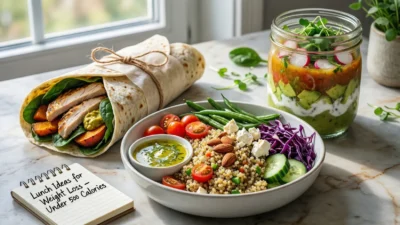
Protein is a key player. High-protein foods like lean meats, eggs, legumes, and Greek yogurt help preserve muscle mass, increase satiety, and boost metabolism. Carbohydrates aren’t the enemy, they provide energy for workouts but focusing on complex carbs like oats, quinoa, and vegetables ensures steady blood sugar levels and prolonged energy. Healthy fats, such as avocado, nuts, and olive oil, support hormone function and keep you feeling full longer.
Meal timing can also make a difference. Techniques like intermittent fasting or structured eating windows help some people naturally reduce calories and improve fat-burning efficiency. In addition, including fiber-rich foods such as vegetables, fruits, and whole grains promotes digestion, keeps you full, and supports sustainable weight loss.
Avoid ultra-processed foods, sugary drinks, and excessive alcohol, which can sabotage results. Instead, focus on whole, minimally processed foods and balanced meals. Combining these nutrition strategies with consistent exercise will accelerate fat loss safely, helping you lose weight fast without compromising health.
Exercise for Rapid Fat Loss
Exercise is a powerful tool to accelerate weight loss while maintaining muscle and boosting metabolism. The key is combining cardio, strength training, and daily activity for maximum fat-burning effects.
Cardio workouts are excellent for burning calories quickly. High-Intensity Interval Training (HIIT) alternates short bursts of intense effort with recovery periods, which can burn more calories in less time than traditional steady-state cardio. Activities like running, cycling, or jump rope also increase your heart rate, promoting fat loss efficiently.
Strength training is equally important. Lifting weights or performing bodyweight exercises like squats, push-ups, and lunges preserves muscle mass, which is crucial because muscle burns more calories at rest than fat. Focusing on compound exercises that work multiple muscle groups at once maximizes calorie burn.
Don’t overlook daily activity outside the gym. Simple habits like walking, taking stairs, or increasing your NEAT (non-exercise activity thermogenesis) can significantly boost daily calorie expenditure.
Finally, recovery is essential. Adequate sleep and stretching prevent injuries, reduce fatigue, and improve performance. Yoga, foam rolling, and mobility exercises support flexibility and help your body recover faster between workouts.
By combining cardio, strength training, and consistent daily movement, you create a balanced, effective exercise routine that accelerates fat loss safely and supports long-term weight management.
Lifestyle and Behavioral Factors
Fast weight loss isn’t just about diet and exercise it also depends heavily on lifestyle habits. Sleep, stress management, and consistent routines play a crucial role in how efficiently your body burns fat.
Sleep is often overlooked but vital for weight loss. Poor sleep disrupts hormones like ghrelin and leptin, which control hunger and satiety, leading to increased cravings and overeating. Aim for 7–9 hours of quality sleep each night to support metabolism and energy levels.
Stress management is another key factor. High stress increases cortisol, a hormone linked to fat storage, particularly around the belly. Techniques like meditation, deep breathing, journaling, or even short daily walks can reduce stress and improve weight loss results.
Building healthy habits consistently is more effective than relying on short-term motivation. Set realistic, achievable goals, track your progress, and celebrate small wins to stay motivated. Using tools like fitness apps, habit trackers, or accountability partners can make it easier to maintain momentum.
Finally, consistency in small daily choices like drinking enough water, moving more, and planning meals compounds over time, accelerating fat loss and making results sustainable. Combining these behavioral strategies with proper nutrition and exercise creates a powerful, holistic approach to losing weight fast while supporting overall health.
Rapid Weight Loss Methods & Their Safety
When it comes to losing weight fast, many people are drawn to popular diets, supplements, and extreme methods. While some can be effective, it’s essential to understand both their benefits and risks to stay safe.
Popular diet approaches include low-carb or ketogenic diets, intermittent fasting, and meal replacement plans. These can create a calorie deficit quickly and support fat loss, but they must be followed carefully to avoid nutrient deficiencies. For example, keto may help some people lose weight fast, but it restricts carbs, which are essential for energy, especially during workouts.
Supplements like protein powders, green tea extract, or thermogenic fat burners are often marketed for rapid weight loss. While some can support metabolism or reduce appetite slightly, relying solely on supplements is not safe or sustainable.
Medical interventions, such as prescription weight-loss medications or bariatric surgery, are sometimes appropriate for individuals with significant obesity or health risks. These options should only be pursued under professional supervision.
Extreme approacheslike very low-calorie diets or prolonged fasting can cause muscle loss, fatigue, nutrient deficiencies, and rebound weight gain. The safest path combines moderate calorie deficits, balanced nutrition, exercise, and lifestyle adjustments. Understanding the risks and choosing evidence-based methods ensures that fast weight loss is both effective and sustainable.
Sample Fast Weight Loss Plan
To make fast weight loss achievable, combining structured nutrition, exercise, and lifestyle habits into a simple plan can be highly effective. Here’s an example of a 7-day fast weight loss plan that balances safety and results.
Nutrition: Focus on high-protein, high-fiber meals to keep you full and energized. Include lean meats, eggs, legumes, vegetables, and whole grains. Limit processed foods, sugary drinks, and excessive carbs. Eating smaller, balanced meals every 3–4 hours or using an intermittent fasting window (e.g., 16:8) can help maintain a calorie deficit naturally. Drink plenty of water hydration supports metabolism and helps curb unnecessary snacking.
Exercise: Combine cardio and strength training for optimal fat burn. Aim for 30–45 minutes of moderate-intensity cardio (like brisk walking, cycling, or swimming) 4–5 times a week. Include 2–3 strength training sessions focusing on compound exercises like squats, lunges, push-ups, and rows to preserve muscle and boost metabolism.
Lifestyle: Prioritize 7–9 hours of sleep, manage stress with techniques like meditation or yoga, and stay active outside workouts by walking, stretching, or using stairs.
This structured approach ensures your body burns fat efficiently while maintaining energy, preventing muscle loss, and supporting long-term weight management. Adjust portions and intensity according to your fitness level, and track your progress to stay motivated.
Realistic Expectations
While losing weight fast is appealing, it’s important to set realistic and safe expectations. Rapid weight loss can occur, but the body has natural limits, and trying to push beyond them can be harmful. Experts generally recommend losing 1–2 pounds (0.5–1 kg) per week as a safe, sustainable target. Losing more than this consistently often results in muscle loss, nutrient deficiencies, or rebound weight gain.
Understanding that initial weight loss may be faster due to water loss is also important. Many people notice a significant drop on the scale in the first week, but this isn’t all fat. True fat loss takes time, and combining proper nutrition, consistent exercise, and lifestyle changes ensures that the weight you lose comes from fat, not muscle.
Focus on non-scale victories like improved energy, better sleep, increased strength, and smaller clothing sizes. These indicators often reflect progress more accurately than the scale alone.
Lastly, plan for maintenance after rapid weight loss. Gradually adjusting calories and exercise habits helps prevent rebound weight gain. Remember, fast weight loss is achievable, but healthy, sustainable methods produce results that last, protect your health, and make it easier to maintain a fit, confident body in the long term.
Frequently Asked Questions
1. Can I lose 10 pounds in a week?
While extreme results are possible, most of the initial weight loss comes from water, not fat. Safe fat loss is typically 1–2 pounds per week. Rapid loss beyond this may risk muscle loss and nutrient deficiencies.
2. What’s the fastest way to lose belly fat?
Spot reduction isn’t effective. Focus on a calorie deficit, full-body workouts, strength training, and a high-protein, high-fiber diet. Over time, fat around the belly will decrease naturally.
3. Do diet drinks help with weight loss?
While low-calorie drinks reduce sugar intake, some studies suggest artificial sweeteners may increase cravings. Water, green tea, and black coffee are safer choices for supporting fat loss.
4. Can I do rapid weight loss safely at home?
Yes! By combining balanced nutrition, regular exercise, adequate sleep, and stress management, you can safely accelerate fat loss without expensive programs or equipment.
5. Are supplements necessary for fast weight loss?
No. Supplements like protein powders or green tea extracts can help, but they aren’t essential. Nutrition, exercise, and lifestyle habits remain the most important factors.
6. How do I maintain weight after losing it fast?
Gradually adjust calorie intake, continue regular exercise, track progress, and maintain healthy habits. Avoid returning to old eating patterns to prevent rebound weight gain.
Conclusion
Losing weight fast is a goal many strive for, but achieving it safely requires a balanced, evidence-based approach. Quick results are possible when you combine proper nutrition, regular exercise, and healthy lifestyle habits while maintaining realistic expectations. Extreme diets or shortcuts may offer immediate scale changes, but they often come with risks like muscle loss, nutrient deficiencies, and rebound weight gain.
The most effective strategy focuses on fat loss, not just pounds lost. Prioritize high-protein, fiber-rich meals, include cardio and strength training, and build consistent daily habits such as walking more, staying hydrated, managing stress, and getting enough sleep. These practices not only accelerate weight loss but also support long-term health and fitness.
Remember, results take time and consistency. Initial rapid weight loss may include water weight, but sustainable fat loss requires patience and dedication. Tracking progress, celebrating small victories, and focusing on non-scale results like improved energy, strength, and confidence can keep you motivated along the way.
Ultimately, losing weight fast is achievable without compromising your health when approached thoughtfully. By combining the strategies outlined in this guide, you can shed pounds safely, feel energized, and maintain your results for the long term, transforming not just your body, but your overall lifestyle.

I’m Etalia Robert, the mind behind PeacefulQuotes.com. I share thoughtful words and meaningful quotes that inspire calm, reflection, and a little spark of wisdom in everyday life.