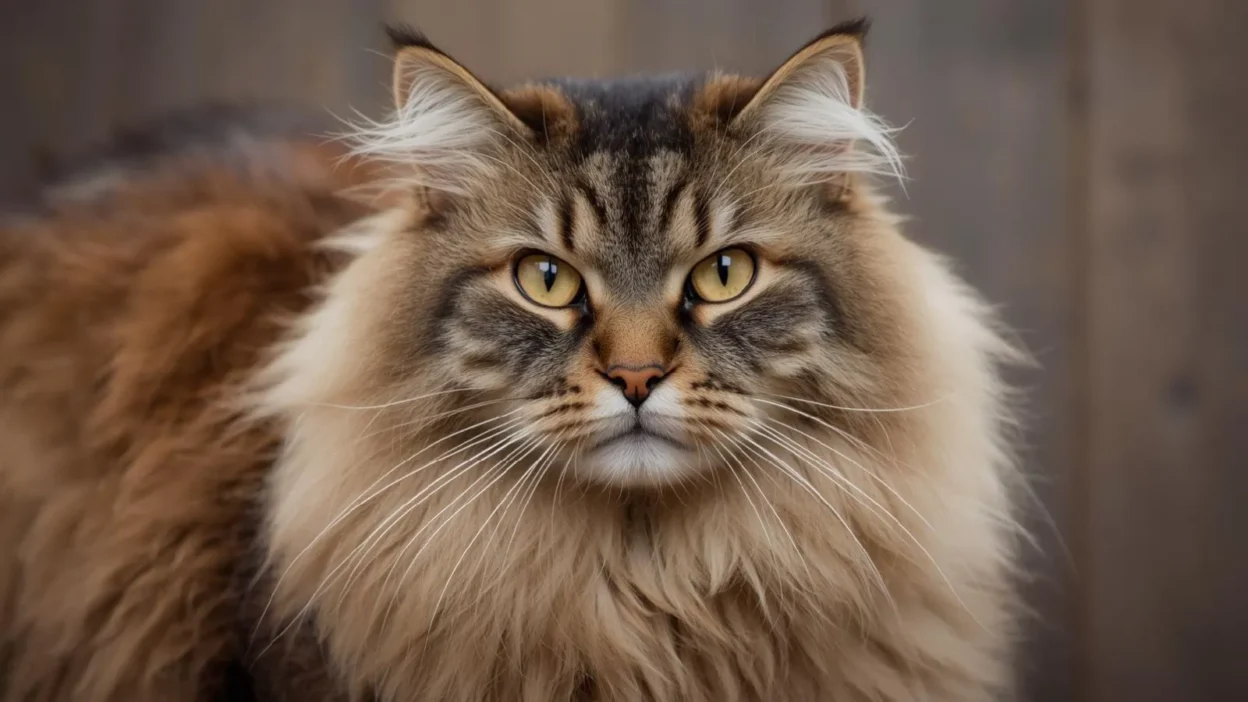
The Maine Coon cat is known for its impressive size, friendly nature, and striking appearance. Often described as “gentle giants,” these majestic felines can weigh much more than your average house cat.
However, understanding their weight is crucial not just for their appearance but for their overall health and well-being. The Maine Coon’s weight can vary significantly based on factors like age, genetics, diet, and activity levels. For prospective owners or those already caring for a Maine Coon, knowing the typical weight range and how to maintain it ensures a happy, healthy cat.
In this article, we will explore the weight characteristics of the Maine Coon cat, from kitten to adulthood, and offer insights into the factors that influence their size. Whether you’re wondering if your cat’s weight is normal or looking for tips on managing your Maine Coon’s weight, you’ll find everything you need to ensure your feline companion stays in optimal health.
General Characteristics of Maine Coon Cats
Maine Coon cats are one of the largest domesticated cat breeds, known for their impressive size, long fur, and tufted ears. They can appear almost lion-like due to their mane of fur around their necks and bushy tails, making them both physically stunning and unique in appearance. But when it comes to their weight, Maine Coons stand out in a way that goes beyond their majestic looks.
On average, male Maine Coons weigh between 13-18 pounds, with some even reaching up to 25 pounds or more. Female Maine Coons, though generally smaller, can still weigh between 8-12 pounds. These weight ranges make them significantly larger than most other domestic cats, with some individuals being almost twice as heavy as a typical house cat. This larger size is part of what makes Maine Coons such captivating companions.
The size of a Maine Coon is not just about their weight, though. They also have a long, muscular body and a thick coat, which all contribute to their overall mass. Unlike many cat breeds, which reach full size by around one year of age, Maine Coons continue to grow slowly throughout their lives. It can take anywhere from 3 to 5 years for a Maine Coon to reach their full adult size, making them a breed that requires extra time and attention to grow into their full form.
Factors Affecting Maine Coon Weight
Several factors influence the weight of a Maine Coon cat, and understanding these variables is essential for maintaining their health and well-being. Here are the key factors that affect their weight:
1. Age and Growth Stages
Maine Coons grow at a slower rate than many other breeds, which means their weight will change significantly as they mature. Kittens usually weigh around 1-2 pounds at birth and steadily gain weight in their first few months. By 6 months, a Maine Coon kitten may weigh between 5-7 pounds. However, they continue growing until they are about 3-5 years old, so their weight will fluctuate throughout these years. Young adults generally weigh between 10-16 pounds, with males reaching their full size later than females.
2. Genetics
Genetics plays a significant role in determining the size of a Maine Coon. If the cat comes from a lineage of large Maine Coons, it’s more likely that the cat will be larger. However, even within a litter, there can be variations in size due to inherited traits.
3. Diet and Nutrition
The quality of food and feeding habits directly influence weight. Maine Coons need a high-protein diet rich in essential nutrients to support their muscular build and energy levels. Feeding them a balanced, age-appropriate diet ensures proper growth and helps prevent obesity or underweight issues.
Physical Activity and Health Conditions
4. Physical Activity and Exercise
Just like any other breed, a Maine Coon’s weight is heavily influenced by its level of physical activity. Maine Coons are known for being playful, curious, and active, and they need daily exercise to stay healthy. Regular play sessions help burn calories and prevent them from becoming overweight. Whether they are chasing after toys, climbing cat trees, or simply running around the house, staying active is vital to keeping their weight in check.
Additionally, the larger size of the Maine Coon makes physical activity particularly important. Their long, muscular bodies require exercise to maintain muscle tone and prevent fat accumulation. Indoor Maine Coons may need more encouragement to stay active compared to outdoor ones, who can roam freely and engage in natural hunting behaviors.
5. Health Conditions
Health problems can also impact a Maine Coon’s weight, either causing weight loss or weight gain. For example, hypothyroidism a condition where the thyroid gland doesn’t produce enough hormones can result in weight gain, sluggishness, and other symptoms. On the other hand, conditions like diabetes or gastrointestinal issues can cause weight loss.
Overweight Maine Coons are particularly at risk for arthritis, diabetes, and heart disease due to the extra strain on their joints and organs. It’s important to keep an eye on your cat’s weight and look out for signs of obesity or rapid weight changes, as these could indicate underlying health issues that require veterinary attention. Regular vet checkups will ensure that any potential health conditions are detected early, helping to manage their weight effectively.
Maine Coon Growth Stages and Milestones
Understanding the growth stages of a Maine Coon is essential for tracking their weight and ensuring they are developing properly. Unlike many cat breeds, Maine Coons grow slowly and take several years to reach their full size. Here’s a breakdown of the different growth stages and the weight milestones for Maine Coon cats:
1. Kitten Stage (0-1 year)
During the kitten stage, Maine Coons grow rapidly in the first few months of life. At birth, they typically weigh between 75-120 grams, but by 8 weeks, they can weigh around 2 pounds. As they continue to grow, their weight steadily increases, and by 6 months, they may weigh between 5-7 pounds. It’s important to provide proper nutrition during this stage to support their rapid growth and ensure they reach their full potential.
2. Juvenile Stage (1-3 years)
The juvenile stage is when a Maine Coon’s growth starts to slow down but still progresses. They will continue to gain weight, but at a slower rate. By the time they reach 1 year, they might weigh between 8-12 pounds. This is the stage when their muscles develop more fully, and they may start to develop a more adult-like body structure. It’s crucial to monitor their diet and activity levels at this stage to avoid excess weight gain.
3. Adult Stage (3-5 years)
Maine Coons usually reach their full size between 3-5 years of age. By this time, they should weigh between 13-18 pounds, with males generally being larger than females. While their weight may stabilize, they still require a healthy, balanced diet and regular exercise to maintain their weight.
The slow, steady growth of Maine Coons throughout these stages makes it important for owners to track their weight over time and adjust their care accordingly. Regular vet visits will also help ensure they’re on track for healthy growth and development.
Determining a Healthy Weight for Your Maine Coon
Ensuring your Maine Coon maintains a healthy weight is crucial for their overall health and longevity. While the breed’s larger size is normal, it’s important to monitor their weight to prevent obesity or other health-related issues. Here are some tips to help you determine if your Maine Coon is at a healthy weight:
1. Ideal Weight Range
As mentioned earlier, male Maine Coons typically weigh between 13-18 pounds, and females range from 8-12 pounds. However, some cats may be larger or smaller depending on genetics. To determine if your Maine Coon is within a healthy weight range, it’s essential to consider not just their weight but also their body condition. A healthy Maine Coon should have a muscular build, with ribs that are slightly palpable but not overly visible.
2. Signs Your Maine Coon Is Overweight
Overweight Maine Coons are at risk for several health issues, including heart disease, arthritis, and diabetes. If your cat has difficulty jumping, appears sluggish, or has noticeable fat deposits around the abdomen and thighs, it may be an indicator that they are carrying excess weight. You should also feel for a layer of fat over the ribs; if they are difficult to feel, this may suggest that your Maine Coon is overweight.
3. Signs Your Maine Coon Is Underweight
Underweight Maine Coons are less common but may indicate nutritional deficiencies or health problems. If your Maine Coon’s ribs are visible or easily felt, or if they seem lethargic and have a lack of energy, they may be underweight. It’s essential to address this with a high-calorie diet and consult a vet to rule out any underlying conditions.
Regular weigh-ins at the vet are a great way to keep track of your Maine Coon’s weight and overall health. If you’re unsure whether your cat’s weight is ideal, your vet can provide guidance based on their age, size, and overall health.
Maintaining the Right Weight for Your Maine Coon
Maintaining a healthy weight for your Maine Coon is essential to ensuring they live a long, healthy, and active life. Obesity is a common issue in cats, but with the right care, it can be prevented. Here are some important steps to help manage your Maine Coon’s weight effectively:
1. Create a Balanced Diet Plan
A well-balanced, high-protein diet is key to keeping your Maine Coon at a healthy weight. Since they are a large, muscular breed, they require more calories than smaller cats. Opt for high-quality cat food that is rich in animal proteins and low in carbohydrates. Wet food, dry food, or a mix of both can be good options just make sure to choose products specifically designed for their nutritional needs.
It’s important to control portion sizes to avoid overfeeding. Maine Coons are natural grazers and may eat more than they need if given the opportunity. Follow the feeding guidelines on the food packaging, but remember that your Maine Coon’s needs will depend on their age, activity level, and metabolism.
2. Exercise Tips to Keep Your Maine Coon Fit
Maine Coons love playtime, so use this to your advantage! Regular exercise is essential for weight management. Provide plenty of opportunities for interactive play, such as laser pointers, feather wands, or puzzle toys. Maine Coons are intelligent and curious cats, so keeping them mentally stimulated will help them stay physically active.
Encourage climbing and exploration by providing tall cat trees and shelves, which will give your Maine Coon a space to exercise while satisfying their natural climbing instincts. For indoor cats, aim for at least 20 minutes of playtime each day to keep them engaged and prevent weight gain.
3. Regular Vet Checkups and Weight Monitoring
Scheduling regular vet visits is crucial for monitoring your Maine Coon’s weight and overall health. Your vet can track their weight over time, adjust their diet if necessary, and spot any health problems early. Regular weigh-ins will ensure that your Maine Coon stays within a healthy weight range as they age.
Common Health Issues Related to Maine Coon Weight
Maintaining an optimal weight for your Maine Coon is not just about appearanceit’s about protecting their long-term health. While this breed is generally robust, obesity and other weight-related health issues can take a serious toll on their well-being. Here’s a look at the common health problems associated with being overweight or underweight:
1. Obesity and Related Risks
Obesity is a growing concern for many cat breeds, including Maine Coons. Extra weight puts strain on a cat’s joints, heart, and other organs, increasing the risk for chronic conditions. Maine Coons that are overweight are more likely to develop:
- Arthritis: Extra weight puts stress on the joints, leading to painful arthritis, especially in senior cats.
- Diabetes: Obesity is a major risk factor for Type 2 diabetes in cats, leading to long-term health complications if untreated.
- Heart disease: Excess weight can affect the heart’s ability to pump blood efficiently, putting your Maine Coon at higher risk for heart disease.
Obesity also reduces your Maine Coon’s energy levels, leading to decreased playtime and a more sedentary lifestyle. Managing their weight with a balanced diet and regular exercise is essential for preventing these issues.
2. Hypothyroidism and Weight Changes
Hypothyroidism, a condition where the thyroid gland doesn’t produce enough hormones, can lead to weight gain, lethargy, and poor coat quality. If your Maine Coon’s weight increases without an obvious change in diet or activity level, it could be a sign of hypothyroidism. Early diagnosis and treatment with medication can help manage the condition and prevent weight-related complications.
Monitoring weight changes closely and addressing them promptly with your vet can help maintain your Maine Coon’s health and comfort throughout their life. Regular health checkups can also catch potential issues early, so make sure to keep track of your cat’s weight and consult your vet if you notice any concerning changes.
How to Help an Underweight Maine Coon
While overweight Maine Coons are a more common concern, underweight cats can also face serious health challenges. If your Maine Coon seems too thin, or you can feel their ribs easily, it may be time to investigate the cause and take steps to help them gain weight safely.
1. Causes of Underweight in Maine Coons
Several factors can contribute to a Maine Coon being underweight, including:
- Nutritional deficiencies: If a Maine Coon isn’t eating enough high-quality food, they may not be getting the nutrients they need to thrive.
- Health conditions: Underlying medical issues such as gastrointestinal problems, infections, hyperthyroidism, or diabetes can lead to weight loss.
- Stress or anxiety: A stressed or anxious cat may lose their appetite or refuse to eat, leading to weight loss.
2. Treatment and Weight Gain Strategies
Once the underlying cause is identified, the next step is to develop a weight-gain plan. In general, Maine Coons that are underweight can benefit from:
- High-calorie food: Choose food that’s rich in protein and fat to encourage weight gain. Look for specialized cat food designed for weight gain or high-energy cats.
- Frequent meals: Offering small meals throughout the day can help ensure your Maine Coon gets enough calories.
- Supplements: Your vet may recommend nutritional supplements or appetite stimulants to help your cat gain weight.
Maintaining a Healthy Maine Coon Through Life
Maine Coons are unique in that they continue to grow and change throughout their lives. To ensure they maintain a healthy weight from kittenhood through their senior years, it’s essential to adapt their care to their changing needs. Here’s how to provide the best care at each stage of their life:
1. Best Practices for Kittens and Young Cats
Kittens experience rapid growth during the first year of life. To support healthy development, provide a high-protein, calorie-dense kitten food that helps them build muscle and grow strong. During this stage, they’ll need frequent meals, usually 3-4 times a day. As they mature, it’s important to monitor their weight and ensure they’re gaining at a healthy pace. A well-balanced diet, paired with plenty of playtime and exercise, will help them grow into strong, healthy adults.
2. Keeping Weight in Check as They Age
As Maine Coons enter adulthood (3-5 years), their growth slows down, but their need for regular exercise and a balanced diet remains critical. At this stage, owners should focus on preventing weight gain by keeping portions in check and continuing to engage in daily physical activities. Maine Coons can be prone to gaining weight as they settle into a more relaxed lifestyle, so staying proactive with their diet and exercise routines is key.
3. Special Considerations for Senior Cats
As your Maine Coon ages, their metabolism may slow down, and their activity levels may decrease. Senior Maine Coons may need fewer calories, but it’s essential that their diet remains nutrient-rich to support joint health, maintain muscle mass, and prevent obesity. Senior cat foods that cater to their specific needs are often lower in fat but higher in fiber. Regular vet checkups are especially important at this stage to catch any weight-related health issues early and ensure they maintain an ideal weight throughout their senior years.
Best Practices for Maintaining Healthy Weight Throughout Life
Maintaining a healthy weight for your Maine Coon throughout their life is not just about monitoring their food intake it’s about creating a lifestyle that promotes health, vitality, and longevity. Here are some best practices that can help keep your Maine Coon at their optimal weight:
1. Regular Exercise and Playtime
Maine Coons are an active breed, and exercise plays a vital role in keeping them at a healthy weight. Even as they grow older, it’s important to maintain their activity levels. Providing a variety of interactive toys, such as feather wands, laser pointers, and puzzle feeders, helps keep them physically and mentally stimulated. Additionally, investing in cat trees, tunnels, or climbing shelves encourages them to be more active by satisfying their natural climbing instincts.
2. Monitor Their Diet and Portions
One of the easiest ways to manage your Maine Coon’s weight is to monitor how much they eat. Use a measuring cup to ensure that you’re feeding the right portion size based on their age, weight, and activity level. Avoid free feeding, which can lead to overeating, and make sure they have a balanced diet with the right mix of protein, fats, and essential nutrients. You may want to adjust portions seasonally or based on any changes in their activity level or weight.
3. Regular Vet Checkups
Even with the best diet and exercise routines, regular vet visits are essential to track your Maine Coon’s weight and overall health. Your vet can help you detect early signs of weight-related issues, such as obesity or malnutrition, and provide tailored recommendations for managing your cat’s weight effectively.
FAQ
1. What is the average weight of a Maine Coon?
The average weight of a Maine Coon varies by sex. Adult male Maine Coons typically weigh between 13-18 pounds, with some individuals reaching up to 25 pounds. Female Maine Coons are smaller, usually weighing between 8-12 pounds. However, their size can vary depending on genetics, diet, and overall health.
2. How can I tell if my Maine Coon is overweight?
You can determine if your Maine Coon is overweight by observing their body condition. If your cat has difficulty jumping, climbing, or seems sluggish, these could be signs of excess weight. To assess body fat, gently feel around their ribs if you cannot feel their ribs easily, or if there is a thick layer of fat covering them, they may be overweight. A vet can help confirm if your cat’s weight is healthy or needs adjustment.
3. At what age do Maine Coons stop growing?
Maine Coons are known for their slow growth rate. They typically reach their full adult size between 3-5 years of age. While they start maturing around 1 year old, they will continue to develop both physically and mentally during the next few years. By age 5, they should be fully grown and have reached their full weight.
4. How much should a 6-month-old Maine Coon weigh?
At 6 months of age, a Maine Coon kitten typically weighs between 5-7 pounds. However, this can vary depending on factors like genetics and diet. Ensuring your kitten is eating a balanced, nutrient-rich diet will help them grow at a healthy rate.
5. Can I feed my Maine Coon human food to help with weight gain?
While some human foods can be safe for cats in moderation, it’s important not to feed them as a primary source of nutrition. Maine Coons require a high-protein, cat-specific diet for proper growth and weight management. If your Maine Coon is underweight, consult your vet for advice on safe, high-calorie cat food to support weight gain.
Conclusion
Caring for a Maine Coon requires understanding their unique growth patterns and the factors that influence their weight. This majestic breed is not just large in size but also in personality, and maintaining their health involves paying attention to their diet, exercise, and regular health checkups. Whether you’re a new Maine Coon owner or have had one for years, it’s essential to monitor their weight to ensure they stay within a healthy range.
From kittens to senior cats, their weight changes significantly over the years, and knowing what’s normal at each stage will help you provide the best care possible. While Maine Coons are naturally larger cats, obesity can lead to serious health issues, so it’s important to maintain a balance through proper diet and regular activity. On the other hand, underweight Maine Coons also face health risks, which can often be alleviated with the right nutrition and veterinary care.
By establishing a healthy lifestyle that includes a nutrient-rich diet, regular exercise, and routine vet visits, you can ensure that your Maine Coon enjoys a long, happy, and healthy life. Staying proactive with their weight management helps prevent future health problems and allows you to enjoy the companionship of these lovable, larger-than-life cats for many years to come.

I’m Etalia Robert, the mind behind PeacefulQuotes.com. I share thoughtful words and meaningful quotes that inspire calm, reflection, and a little spark of wisdom in everyday life.