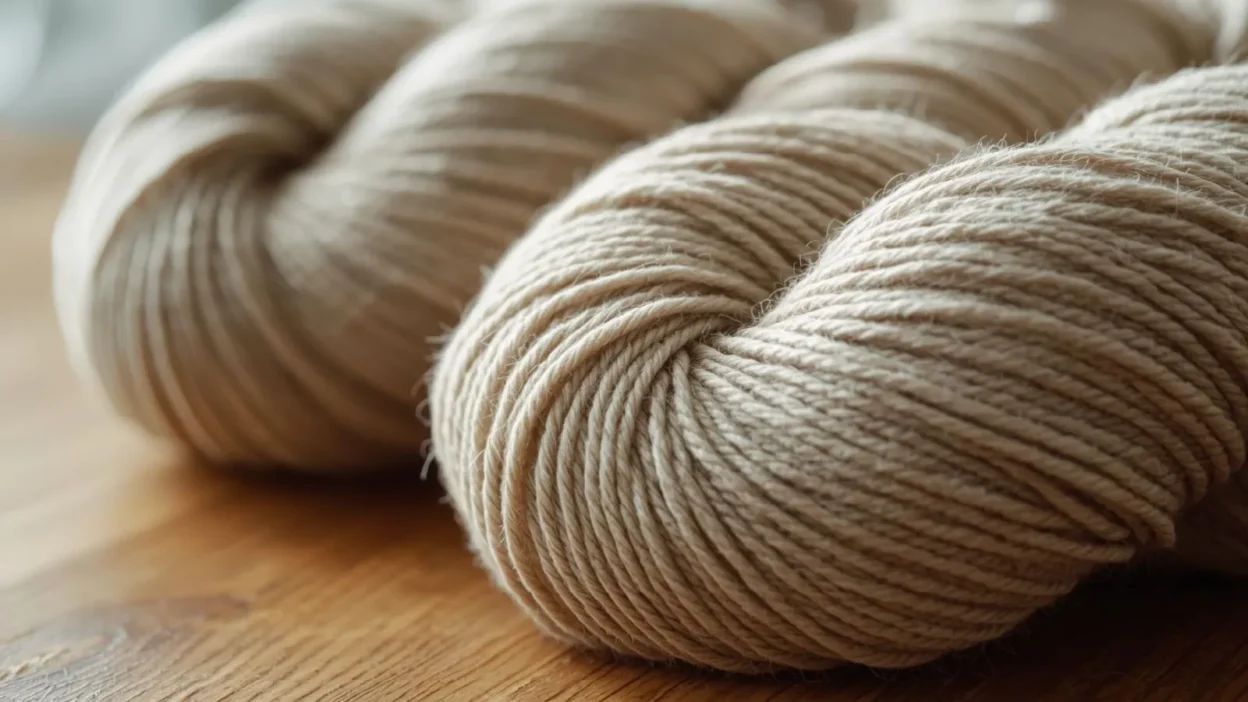
Medium weight yarn often called worsted weight yarn is one of the most popular and versatile yarn types used in knitting and crochet today. If you’ve ever picked up a yarn labeled #4 yarn or wondered what “medium yarn” really means, you’re not alone. This yarn weight sits perfectly between lightweight and bulky options, offering the ideal balance of structure, warmth, and ease of use.
Loved by both beginners and experienced crafters, medium weight yarn works up quickly while still providing excellent stitch definition. It’s commonly used for sweaters, blankets, scarves, hats, and even amigurumi projects. Because it’s widely available in many fibers such as wool, acrylic, cotton, and blends it adapts easily to different seasons, budgets, and skill levels.
In this guide, we’ll explore what medium weight yarn is, how it compares to other yarn weights, and how to choose the right one for your next project with confidence.
Yarn Weight Standards Explained
Understanding yarn weight standards is essential when choosing the right yarn for any knitting or crochet project. Medium weight yarn falls under Category #4 according to the Craft Yarn Council, which is the most widely accepted yarn classification system. This category helps standardize yarns across brands, making it easier to substitute yarns or follow patterns accurately.
Medium weight yarn typically measures 16–20 wraps per inch (WPI), meaning that if you wrap the yarn snugly around a ruler, that’s how many wraps fit within one inch. This measurement explains why medium weight yarn strikes such a practical balance it’s thick enough to provide warmth and structure, yet not so heavy that it becomes bulky or stiff.
In terms of gauge, medium weight yarn usually produces about 16–20 stitches per 4 inches when knitted with appropriately sized needles. Crochet gauge can vary more depending on stitch choice, but it remains equally adaptable. Because gauge can differ between brands and fiber types, swatching is always recommended, even when using the same yarn weight.
When compared to other yarn weights, medium weight yarn is heavier than lightweight (#3) yarns, which create finer, more delicate fabrics, and lighter than bulky (#5) yarns, which produce thicker, faster-working projects. This middle ground is exactly what makes medium weight yarn such a staple in the yarn world it’s reliable, flexible, and suitable for a wide range of designs.
Common Names for Medium Weight Yarn
One reason medium weight yarn can feel confusing especially for beginners is that it goes by several different names. While “medium weight yarn” is the official classification, you’ll often see other terms used interchangeably on yarn labels and in patterns. Understanding these names helps you choose the right yarn with confidence and avoid costly mistakes.
The most common alternate name is worsted weight yarn. In the United States, worsted weight and medium weight yarn generally refer to the same category: yarn weight #4. Most patterns that call for worsted weight yarn are designed with standard medium weight yarn in mind.
Another name you may encounter is aran yarn. Aran yarn is often grouped with worsted weight, but it is usually slightly thicker. While the difference is subtle, aran yarn can produce a denser fabric and may affect gauge. Always check the yarn label and recommended needle or hook size when substituting.
You might also see the term afghan yarn, which typically refers to medium weight yarns marketed for blankets and large projects. These yarns are still category #4 but may be packaged in larger skeins or designed for durability and easy care.
Outside the U.S., naming conventions can vary. In the UK, for example, “worsted” is less commonly used, and yarns are more often described by ply or thickness. Despite the different terminology, checking the yarn weight symbol and gauge information ensures you’re selecting the correct medium weight yarn for your project.
Fiber Types Used in Medium Weight Yarn
Medium weight yarn is available in a wide range of fiber types, which is one of the reasons it’s so versatile. The fiber you choose affects not only the look of your project, but also its texture, durability, warmth, and care requirements.
Wool is one of the most popular natural fibers used in medium weight yarn. It offers excellent elasticity, warmth, and stitch definition, making it ideal for sweaters, hats, and scarves. Merino wool is especially prized for its softness, while non-superwash wool provides structure but requires more careful washing.
Cotton medium weight yarn is another common option, particularly for warmer climates or summer projects. Cotton is breathable, strong, and holds its shape well, but it has little elasticity. This makes it perfect for dishcloths, bags, and home décor, though it may feel heavier in garments.
Among synthetic fibers, acrylic is widely used in medium weight yarn. It’s affordable, lightweight, easy to care for, and available in countless colors. Acrylic yarn is especially popular for blankets and beginner projects, although it may lack breathability compared to natural fibers.
Many medium weight yarns are fiber blends, combining the best qualities of different materials. Wool–acrylic blends balance warmth with easy care, while cotton–acrylic blends offer durability without excessive weight. Choosing the right fiber ensures your medium weight yarn performs exactly as your project requires.
Texture and Construction Variations
Beyond fiber content, the texture and construction of medium weight yarn play a major role in how your finished project looks and feels. Even when two yarns fall under the same weight category, their construction can produce very different results.
One of the most common constructions is plied yarn, where two or more strands are twisted together. Plied medium weight yarns are strong, durable, and resistant to pilling, making them ideal for garments and everyday items. They also provide excellent stitch definition, which helps textured patterns like cables and ribbing stand out clearly.
In contrast, single-ply yarns are made from one continuous strand. These yarns often feel softer and have a more rustic or handcrafted appearance. While beautiful, single-ply medium weight yarns can pill more easily and may not hold up as well to heavy wear, so they’re best suited for accessories or decorative pieces.
Texture variations add even more personality. Smooth yarns highlight stitch patterns and are beginner-friendly, while tweed yarns include small flecks of color that add visual interest. Bouclé or textured yarns create a soft, nubby fabric but can obscure stitch detail, making them more challenging for intricate patterns.
Construction also affects drape and weight. A tightly spun medium weight yarn creates a firmer fabric, while a loosely spun yarn feels airier and more relaxed. Understanding these differences helps you select a medium weight yarn that complements both your pattern and your personal crafting style.
Recommended Needles and Crochet Hooks
Choosing the correct tools is just as important as selecting the right medium weight yarn. While yarn labels provide general recommendations, understanding how needle and hook sizes affect your fabric gives you greater control over the final result.
For knitting, medium weight yarn is typically paired with US size 7–9 needles (4.5–5.5 mm). Smaller needles within this range create a tighter, denser fabric that works well for structured garments like sweaters or mittens. Larger needles produce a looser fabric with more drape, ideal for scarves, shawls, and relaxed fits. Circular needles are often preferred for larger projects, while straight needles work well for flat pieces.
For crochet, medium weight yarn is commonly used with H–I hooks (5.0–5.5 mm). As with knitting, hook size affects stitch size and fabric density. A smaller hook creates firm stitches that are perfect for amigurumi and bags, while a larger hook allows for softer, more flexible fabrics in garments and blankets.
It’s important to remember that these sizes are guidelines, not rules. Fiber type, yarn construction, and individual tension all influence the outcome. Two medium weight yarns may recommend different tool sizes based on how they’re spun or blended.
Before starting any project, it’s best to test your needle or hook choice by making a small swatch. Adjusting your tools ensures proper gauge, balanced stitches, and a finished project that matches your expectations in size and feel.
Gauge and Swatching
Gauge and swatching are often overlooked, but they are critical steps when working with medium weight yarn especially for garments and fitted projects. Gauge refers to the number of stitches and rows produced over a specific measurement, usually 4 inches (10 cm), using a particular yarn and tool size.
For medium weight yarn, the typical knitting gauge ranges from 16–20 stitches per 4 inches, while crochet gauge varies depending on stitch pattern and hook size. However, these numbers are only a guideline. Different fibers, yarn constructions, and personal tension can significantly change the final outcome.
Swatching allows you to test how your medium weight yarn behaves before committing to a full project. To create an accurate swatch, work a square larger than the gauge area specified in your pattern, then measure the center section. This avoids edge distortion and gives a more reliable reading. If your gauge is too tight, switch to a larger needle or hook; if it’s too loose, go down a size.
Swatching also reveals how the yarn drapes, stretches, and responds to washing or blocking. Some medium weight yarns relax after washing, while others tighten or grow. Blocking your swatch the same way you’ll treat the finished project helps prevent surprises later.
Although it may feel time-consuming, swatching saves time in the long run. It ensures your project fits properly, uses the correct amount of yarn, and delivers the look and feel you envisioned from the start.
Best Projects for Medium Weight Yarn
Medium weight yarn is one of the most versatile yarn categories, making it suitable for a wide variety of knitting and crochet projects. Its balanced thickness allows projects to work up at a comfortable pace while still providing durability and structure.
For knitting, medium weight yarn is commonly used for sweaters, cardigans, hats, scarves, and mittens. It creates warm yet wearable garments with excellent stitch definition, making it ideal for textured patterns such as cables, ribbing, and colorwork. Medium weight yarn is also a popular choice for knitted blankets and afghans because it produces a fabric that is substantial without being overly heavy.
In crochet, medium weight yarn shines in projects like blankets, granny squares, and home décor items. It’s also the go-to yarn for amigurumi, as it provides sturdy stitches that hold shape well. Crochet garments, including tops and sweaters, benefit from the yarn’s balance of drape and stability.
Medium weight yarn is equally well-suited for accessories and practical items. Bags, slippers, dishcloths, and pillows all benefit from the strength and durability of yarn weight #4. Its wide availability in different fibers and colors also makes it easy to match a project’s functional and aesthetic needs.
Because it adapts so well across techniques and designs, medium weight yarn is often recommended as a staple in every crafter’s yarn collection. Whether you’re making clothing, décor, or gifts, it offers reliable results and creative flexibility.
NSeasonal Use of Medium Weight Yarn
Medium weight yarn is most commonly associated with fall and winter projects, but its seasonal versatility depends largely on fiber choice and stitch pattern. When selected thoughtfully, it can be used comfortably throughout much of the year.
In cooler seasons, medium weight yarn excels at creating warm, insulating garments such as sweaters, hats, scarves, and blankets. Wool and wool-blend medium weight yarns are especially popular during fall and winter because they trap heat while remaining breathable. Tighter stitch patterns further enhance warmth and structure, making these yarns ideal for cold-weather wear.
For transitional seasons like spring and early autumn, medium weight yarn can still work well when paired with lighter fibers. Cotton, bamboo, or cotton-blend medium weight yarns produce breathable fabrics that are suitable for layering pieces, light cardigans, and shawls. Using more open stitch patterns also helps reduce heaviness and improve airflow.
In summer, medium weight yarn is generally less common for garments, but it still has its place. It’s frequently used for accessories, bags, and home décor items where warmth isn’t a concern. Crochet tops or lightweight knits made with breathable fibers and loose stitches can also be comfortable in warmer weather.
Understanding seasonal use helps you match the right medium weight yarn to your project’s purpose. By considering fiber, stitch density, and garment design, you can enjoy the benefits of medium weight yarn year-round without sacrificing comfort or wearability.
Pros and Cons of Medium Weight Yarn
Like any yarn category, medium weight yarn has both advantages and limitations. Understanding these pros and cons helps you decide when it’s the best choice for a project and when another yarn weight might be more suitable.
One of the biggest advantages of medium weight yarn is its versatility. It works well for knitting and crochet, suits a wide range of projects, and is easy to find in almost any craft store. Its thickness provides excellent stitch definition, making patterns and textures stand out clearly. Medium weight yarn also works up at a comfortable pace, which is encouraging for beginners and efficient for experienced crafters. Additionally, it’s available in countless fibers, colors, and price ranges, making it accessible to all skill levels and budgets.
However, there are some drawbacks to consider. Medium weight yarn can feel heavy in larger garments, especially when made with dense stitches or heavier fibers like cotton. It also offers less drape than lighter yarn weights, which may not be ideal for flowing or delicate designs. In warmer climates, projects made with medium weight yarn may feel too warm for extended wear.
Despite these limitations, medium weight yarn remains a staple because its benefits often outweigh its disadvantages. When chosen thoughtfully and matched to the right project, it delivers reliable results, durability, and creative flexibility that few other yarn weights can match.
Frequently Asked Questions About Medium Weight Yarn
Is medium weight yarn the same as worsted weight yarn?
Yes, in most cases medium weight yarn and worsted weight yarn refer to the same category, which is yarn weight #4. While terms like aran may be slightly thicker, they are generally close enough to substitute with proper gauge adjustments.
What size needles or hooks should I use with medium weight yarn?
Medium weight yarn is typically used with US size 7–9 knitting needles (4.5–5.5 mm) or H–I crochet hooks (5.0–5.5 mm). Always check the yarn label and make a swatch for best results.
Is medium weight yarn good for beginners?
Absolutely. Medium weight yarn is one of the best choices for beginners because it’s easy to see stitches, forgiving of tension issues, and works up quickly without being bulky.
Can I substitute medium weight yarn in a pattern?
Yes, medium weight yarn is commonly substituted in patterns, but you should always check gauge. Adjusting needle or hook size helps ensure the finished project matches the intended size.
What are the best projects for medium weight yarn?
Popular projects include sweaters, blankets, scarves, hats, amigurumi, and home décor items. Its versatility makes it suitable for both garments and accessories.
Does medium weight yarn work for all seasons?
It can, depending on the fiber and stitch pattern. Wool blends suit colder weather, while cotton or blended yarns work better for warmer months.
Conclusion
Medium weight yarn has earned its place as a staple in the world of knitting and crochet, and for good reason. Its balance of thickness, versatility, and accessibility makes it one of the most reliable yarn choices for crafters at any skill level. Whether you’re creating a cozy sweater, a durable blanket, or a decorative home project, yarn weight #4 offers consistent results and endless creative possibilities.
What truly sets medium weight yarn apart is its adaptability. From warm wool blends for winter garments to breathable cotton options for lighter projects, there’s a medium weight yarn for nearly every need.
Understanding yarn standards, fiber types, gauge, and tool selection allows you to make informed decisions and avoid common mistakes. When paired with proper swatching and thoughtful project planning, medium weight yarn delivers both beauty and functionality.
As you continue exploring your craft, consider experimenting with different fibers and stitch patterns to fully appreciate what medium weight yarn can offer. Keep it stocked in your yarn collection, and you’ll always be ready to start your next project with confidence and creativity.
If you enjoyed this guide, feel free to share your favorite medium weight yarns or projectsc and follow along for more yarn and crafting insights.

I’m Etalia Robert, the mind behind PeacefulQuotes.com. I share thoughtful words and meaningful quotes that inspire calm, reflection, and a little spark of wisdom in everyday life.