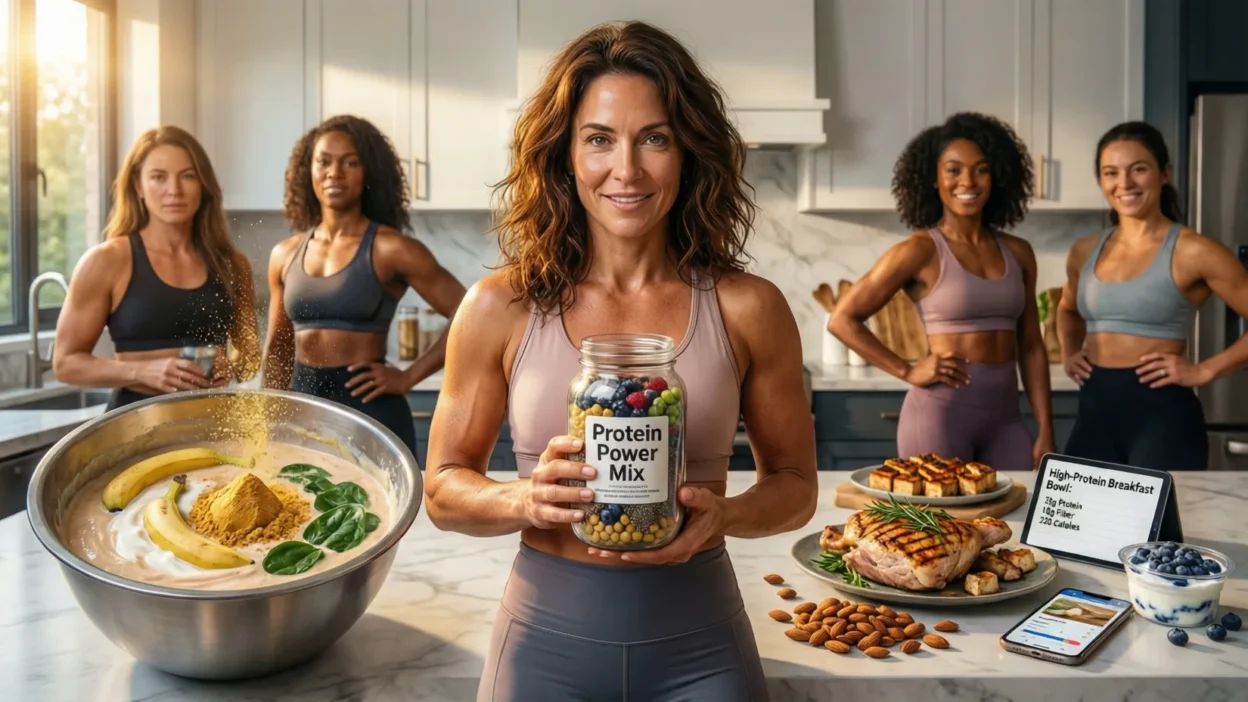
Losing weight can be a challenging journey, especially for women, because our bodies respond differently to diet and exercise compared to men. One of the most powerful tools for effective, sustainable fat loss is protein.
Not only does protein help you feel fuller for longer, but it also supports muscle preservation, which is crucial for maintaining a healthy metabolism as you shed pounds. Many women struggle with hunger, energy crashes, or losing weight too slowly and insufficient protein is often the hidden culprit.
The good news is that with the right amount, timing, and sources of protein, you can optimize fat loss, improve body composition, and feel more energized throughout the day. In this comprehensive guide, we’ll break down everything women need to know about protein for weight loss from calculating your ideal intake and choosing the best foods to practical meal ideas and common mistakes to avoid.
Why Protein is Crucial for Female Weight Loss
Protein plays a central role in successful weight loss, especially for women. Unlike calories from carbs or fats, protein has a high thermic effect, meaning your body burns more calories digesting it. This boosts metabolism slightly and supports fat loss over time.
One of the most important benefits of protein is satiety. Protein-rich meals help women feel full longer, reducing cravings and preventing overeating. For those struggling with hunger between meals, increasing protein can make a huge difference in adherence to a calorie-controlled diet.
Protein is also critical for muscle preservation. When losing weight, it’s common to lose both fat and muscle. Maintaining muscle is vital because muscles burn more calories at rest, keeping your metabolism active. This is particularly important for women, as hormonal changes can accelerate muscle loss if protein intake is insufficient.
Finally, protein supports hormonal balance, including hormones like leptin and ghrelin that regulate hunger and fat storage. Eating adequate protein helps stabilize these hormones, making weight loss more sustainable and less frustrating.
By understanding these benefits, women can see why protein is not just another nutrient—it’s a key ally in achieving long-term fat loss goals.
How Much Protein Do Women Need?
Determining the right amount of protein is essential for effective weight loss in women. Protein needs vary based on body weight, activity level, and fat loss goals. For most women, a general guideline is 1.2 to 2.2 grams of protein per kilogram of body weight per day. For example, a 60 kg (132 lbs) woman would need between 72–132 grams of protein daily. Active women or those doing strength training may aim for the higher end to preserve muscle and boost metabolism.
Protein intake isn’t just about total daily amounts—it’s also about timing and distribution. Eating protein consistently across meals helps keep hunger under control and supports muscle maintenance. Aiming for 20–30 grams per meal is a practical approach, which can include sources like eggs, Greek yogurt, lean meats, or plant-based proteins.
Pre- and post-workout protein is particularly beneficial. Consuming protein around exercise helps repair muscles, enhance recovery, and prevent muscle loss while dieting. By meeting protein requirements and distributing intake strategically, women can maximize fat loss, maintain energy, and protect lean muscle, making weight loss more sustainable and effective.
Best Protein Sources for Women
Choosing the right protein sources is key for effective weight loss in women. Animal-based proteins are complete proteins, meaning they contain all essential amino acids. Options like chicken, turkey, lean beef, fish, eggs, and dairy provide high-quality protein that supports muscle retention and boosts satiety. For women aiming for fat loss, lean meats and fish are excellent because they deliver protein without excessive calories or unhealthy fats.
For those following a plant-based diet, protein is still easy to obtain. Foods like lentils, beans, chickpeas, tofu, tempeh, edamame, quinoa, and nuts offer substantial protein while providing fiber and other nutrients. Combining different plant proteins throughout the day ensures all essential amino acids are consumed, supporting muscle preservation and metabolism.
Protein supplements can also be useful for busy women or those struggling to meet daily needs through food alone. Whey, casein, or plant-based protein powders can be added to smoothies, oatmeal, or snacks to hit protein targets efficiently.
Ultimately, the best protein sources are those that are nutrient-dense, convenient, and enjoyable. A mix of animal, plant, and supplement options allows women to meet protein requirements, stay full, and make fat loss easier without feeling deprived.
Protein-Rich Meal Planning
Incorporating protein into every meal is essential for women aiming to lose weight effectively. Breakfast is a great opportunity to start the day with protein. Options like Greek yogurt with berries, scrambled eggs with vegetables, or protein smoothies can provide 20–30 grams of protein to keep energy levels stable until lunch.
For lunch and dinner, focus on pairing lean proteins with vegetables and complex carbohydrates. Grilled chicken or fish with quinoa and steamed vegetables, or tofu stir-fry with brown rice, are excellent examples. Including a protein source in each meal supports muscle retention and helps manage hunger throughout the day.
Snacks can also boost daily protein intake. Consider boiled eggs, cottage cheese, edamame, roasted chickpeas, or a protein shake to reach your daily targets without excess calories.
A sample 1-day high-protein meal plan for a woman might look like this:
- Breakfast: 2 boiled eggs + Greek yogurt with berries (25g protein)
- Snack: Protein shake (20g protein)
- Lunch: Grilled chicken salad with quinoa (30g protein)
- Snack: Roasted chickpeas (15g protein)
- Dinner: Baked salmon with vegetables (30g protein)
By planning meals around protein, women can stay full, preserve lean muscle, and make weight loss more sustainable.
Protein and Exercise for Weight Loss
Protein and exercise go hand-in-hand for effective fat loss in women. While diet alone can reduce weight, combining it with regular exercise—especially strength training—ensures that fat, not muscle, is lost. Adequate protein intake supports this process by providing the building blocks needed for muscle repair and growth.
Strength training is particularly important for women because it boosts metabolism, improves body composition, and helps maintain lean muscle mass during calorie restriction. Consuming protein before and after workouts enhances muscle recovery, reduces soreness, and supports continuous fat loss. A protein-rich meal or shake 1–2 hours before exercise can provide energy, while a post-workout protein meal replenishes amino acids and aids repair.
Cardio workouts also benefit from protein. While cardio primarily burns calories, protein ensures that muscles remain intact and recovery is faster. Women who rely solely on cardio may notice muscle loss unless protein intake is sufficient.
Ultimately, balancing protein with an active lifestyle allows women to maximize fat loss, maintain strength, and improve overall body composition. By combining proper protein intake with exercise, weight loss becomes more effective, sustainable, and healthier.
Common Mistakes Women Make with Protein
Even when women understand the importance of protein for weight loss, certain mistakes can hinder results. One common error is eating too little protein. Many women underestimate their needs, relying heavily on carbs or fats instead. Insufficient protein can lead to muscle loss, slower metabolism, and persistent hunger, making weight loss more difficult.
Another mistake is over-reliance on supplements. While protein powders and shakes are convenient, they shouldn’t replace whole foods entirely. Whole food sources provide additional nutrients like fiber, vitamins, and minerals, which support overall health and satiety.
Timing protein incorrectly is another common pitfall. Consuming most protein in one meal, rather than spreading it throughout the day, can reduce its effectiveness in controlling appetite and supporting muscle repair. Aim for protein in each meal and snack.
Finally, some women ignore variety and quality. Relying on a single protein source can lead to nutrient gaps and monotony, making it harder to stick to a diet. Incorporating a mix of animal, plant, and supplemental proteins ensures balanced nutrition and keeps meals enjoyable.
Avoiding these mistakes allows women to maximize fat loss, maintain muscle, and achieve sustainable results.
Myths and Misconceptions About Protein for Women
Despite the benefits, many women hesitate to increase protein intake due to common myths. One of the biggest misconceptions is that protein makes women bulky. Unlike men, women generally have lower testosterone levels, so eating sufficient protein while strength training will help tone muscles and preserve lean mass, not create bulk.
Another widespread myth is that carbs must be avoided if you eat protein. Carbohydrates and protein work together: carbs provide energy for workouts, while protein supports recovery and muscle maintenance. Cutting carbs unnecessarily can lead to fatigue, cravings, and reduced workout performance.
Some women also believe that protein is only necessary if you exercise intensely. In reality, adequate protein benefits all women, whether sedentary or active. It supports metabolism, satiety, and body composition, making weight loss more manageable.
Lastly, many think that plant-based diets cannot provide enough protein. With proper planning—combining legumes, tofu, tempeh, quinoa, nuts, and seeds—women can meet daily protein needs and achieve fat loss effectively.
Understanding these myths empowers women to confidently include protein in their diet, optimize fat loss, and improve overall health without fear or confusion.
Tracking Protein and Progress
Tracking your protein intake is a great way to ensure you’re meeting your weight loss and muscle maintenance goals. For most women, aiming for 1.2–2.2 grams of protein per kilogram of body weight per day is a good starting point. To make tracking easier, there are various tools available, such as food diaries, apps like MyFitnessPal, or simply weighing and measuring food.
A key to success is distributing protein throughout the day, rather than consuming it all in one meal. This helps with satiety, muscle retention, and consistent energy levels. To stay on track, plan meals ahead of time, ensuring each contains a good source of protein.
As you progress in your fat loss journey, it’s essential to evaluate how well protein is helping you meet your goals. If you’re feeling hungry, fatigued, or noticing muscle loss, it may be a sign that your protein intake needs adjustment. Monitoring your strength levels, muscle tone, and appetite can provide feedback on whether your protein needs are being met.
Remember, consistency is key. By tracking protein and regularly evaluating progress, women can fine-tune their diet and keep progressing toward their weight loss goals.
FAQs About Protein for Weight Loss in Women
1. Can I eat too much protein while trying to lose weight?
While protein is crucial for weight loss, consuming excessive amounts can lead to calorie surplus and potential weight gain. The key is to balance protein with your overall calorie intake. For most women, 1.2–2.2 grams of protein per kilogram of body weight is sufficient.
2. What are the best protein sources for a vegetarian or vegan diet?
Vegetarian and vegan diets can still provide enough protein through sources like lentils, beans, tofu, tempeh, quinoa, edamame, chickpeas, nuts, and seeds. Combining different plant proteins ensures you get all essential amino acids.
3. Is whey protein necessary for weight loss?
No, whey protein is not essential. While it’s convenient, you can get sufficient protein from whole foods. If you’re struggling to meet your daily protein goals or need a quick post-workout option, whey or plant-based protein powders can be a helpful supplement.
4. Can protein help reduce belly fat?
Protein doesn’t target fat in specific areas, but it increases metabolism, reduces hunger, and preserves lean muscle, all of which contribute to overall fat loss, including in the belly area.
Conclusion
Protein is undeniably one of the most powerful tools in a woman’s weight loss journey. From boosting metabolism and controlling hunger to preserving muscle mass, the benefits are clear. By incorporating adequate protein into your daily meals—whether from animal sources, plant-based options, or supplements—you can maximize fat loss and improve your overall body composition.
Remember, the key to success is consistency. Track your protein intake, distribute it evenly throughout the day, and adjust based on your goals. Don’t be afraid to experiment with different sources to find what works best for your body. Whether you’re aiming for a toned physique or simply striving to lose weight, protein is an essential ally.
To make your journey even easier, consider using meal plans, protein-rich snack ideas, and workout strategies that align with your needs. By combining the power of protein with regular exercise, especially strength training, you’ll achieve sustainable results.
Now, it’s time to put this knowledge into action. Start by adjusting your protein intake, tracking your progress, and embracing the benefits of a protein-focused diet. You’ve got this!
CTA: Ready to take the next step? Download our high-protein meal plan or join our community for more weight loss tips tailored to women.

I’m Leo Tolstoy, sharing timeless wisdom on PeacefulQuotes.com. My quotes aim to inspire reflection, inner calm, and thoughtful moments in everyday life.