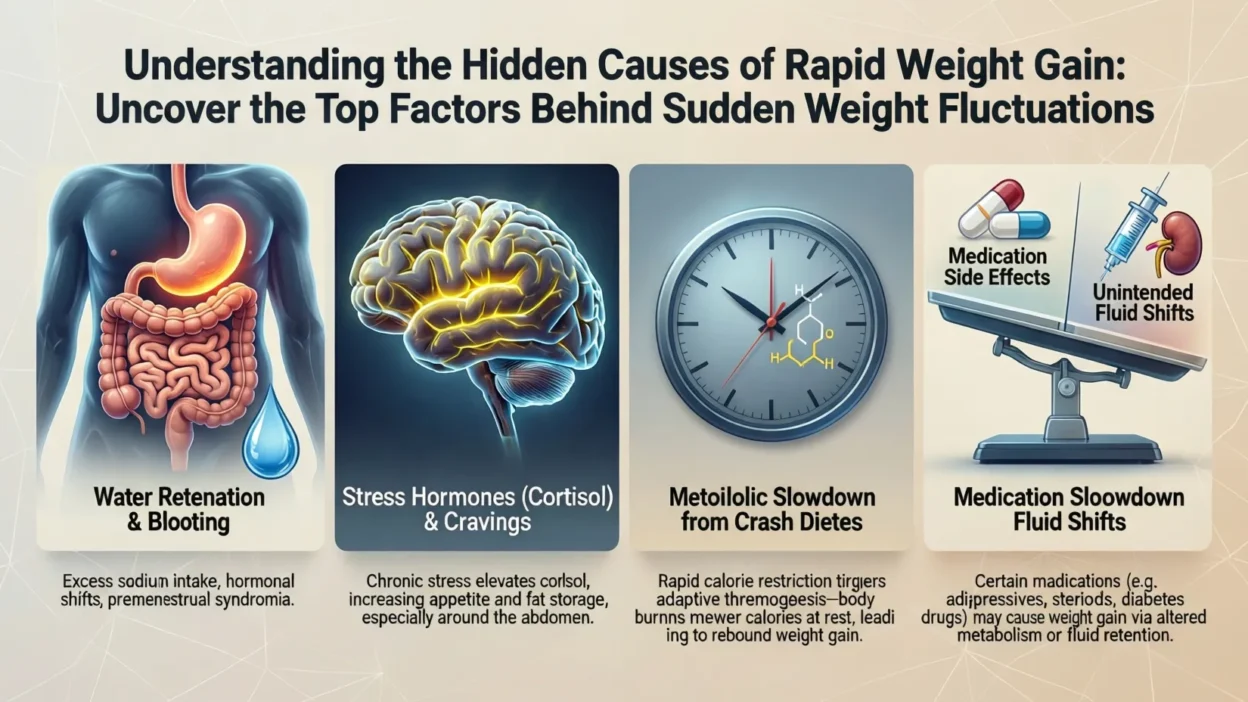
Sudden and unexplained weight gain can be both confusing and concerning. You may find yourself gaining pounds seemingly overnight, without any significant changes to your diet or exercise routine.
While weight fluctuations are normal, rapid weight gain especially when it happens unexpectedly can sometimes be a sign of underlying factors that need attention. Whether it’s hormonal imbalances, medication side effects, or lifestyle habits, understanding the causes is crucial for managing and reversing this issue.
In this article, we will dive deep into the various reasons behind rapid weight gain, helping you identify the potential culprits and offering insights into how to address them. By the end, you’ll have a better understanding of how your body works and the steps you can take to regain control over your weight and health.
Understanding the Causes of Rapid Weight Gain
There are several factors that could contribute to rapid weight gain, some of which are beyond our control. One of the most common causes is hormonal imbalances. Hormones play a key role in regulating your metabolism, appetite, and fat storage. When these hormones are out of balance, they can lead to excessive weight gain. Conditions like hypothyroidism, where the thyroid is underactive, or polycystic ovary syndrome (PCOS), which affects insulin levels, can cause sudden weight gain, especially in women.
Another significant cause is medications. Certain drugs, including antidepressants, corticosteroids, and birth control, are known to lead to weight gain as a side effect. These medications may alter your metabolism, increase appetite, or cause fluid retention, all contributing factors to sudden weight gain.
Additionally, lifestyle factors such as a sedentary lifestyle, stress, poor sleep, and overeating can all play a role. Stress, in particular, can trigger the release of cortisol, a hormone that encourages the body to store fat, particularly in the abdominal area. Furthermore, lack of physical activity can reduce your body’s ability to burn calories effectively, leading to weight gain.
In the following sections, we’ll explore these causes in more detail and offer strategies to address them.
Hormonal Imbalances and Weight Gain
Hormonal fluctuations are one of the leading causes of rapid weight gain, particularly in women. Your body’s hormones regulate crucial functions like metabolism, fat storage, and appetite control. When these hormones are out of balance, they can lead to significant weight changes. One of the most common hormonal culprits is insulin. Insulin is responsible for regulating blood sugar levels, but when your body becomes resistant to insulin, it can lead to an increase in fat storage. This is particularly true for individuals with conditions like insulin resistance or type 2 diabetes.
Another hormone that plays a significant role in weight gain is cortisol, often called the “stress hormone.” When you’re under stress, your body releases cortisol to help manage the situation. However, chronic stress can cause prolonged cortisol levels, which in turn increase appetite and encourage the body to store fat, especially around the abdomen.
Additionally, conditions like hypothyroidism—an underactive thyroid—can cause your metabolism to slow down, making it more difficult for your body to burn calories effectively. Similarly, polycystic ovary syndrome (PCOS) can lead to imbalances in estrogen and progesterone, which can cause weight gain, particularly around the midsection.
Understanding how hormones affect weight is crucial for addressing unexplained weight gain. In the next section, we’ll look at the role of medications in weight changes.
Medications and Their Role in Weight Gain
Certain medications can cause rapid weight gain as a side effect, often making it difficult to maintain a healthy weight. One of the most common types of drugs linked to weight gain are antidepressants, particularly selective serotonin reuptake inhibitors (SSRIs) and tricyclic antidepressants (TCAs). While these medications help regulate mood, they can also increase appetite and cause the body to store more fat. This can lead to gradual weight gain over time, even if dietary habits and activity levels remain unchanged.
Corticosteroids—often prescribed for conditions like asthma, arthritis, and autoimmune diseases—are another group of medications that can cause weight gain. These drugs work by reducing inflammation, but they also increase appetite and promote fluid retention, leading to noticeable weight gain, especially in the face and abdomen.
Certain birth control pills can also contribute to weight changes. The hormonal nature of many contraceptives can lead to water retention and changes in fat distribution. In addition, antipsychotics and beta-blockers can cause weight gain by affecting metabolism, appetite, or both.
If you notice sudden weight gain after starting a new medication, it’s important to consult your doctor. They may be able to adjust your dosage or suggest an alternative treatment that doesn’t affect your weight as much.
Diet, Overeating, and Lifestyle Factors
One of the most common reasons for rapid weight gain is poor dietary habits. Overeating, especially of high-calorie, processed foods, is a significant contributor to unexpected weight gain. Foods that are high in sugar, refined carbohydrates, and unhealthy fats can lead to excessive calorie intake without providing essential nutrients. Regular consumption of fast food, sugary snacks, and soft drinks can result in a calorie surplus, where the body stores the excess as fat.
Emotional eating is another factor that contributes to overeating. Many people turn to food for comfort during stressful or emotional times. This behavior, often referred to as “stress eating,” can lead to consuming more calories than the body needs, leading to weight gain. Additionally, mindless eating—eating while distracted or without paying attention to portion sizes—can result in consuming larger amounts of food than intended.
Inadequate physical activity also plays a major role in weight gain. A sedentary lifestyle, characterized by sitting for long periods and lack of regular exercise, reduces the body’s ability to burn calories effectively. The less active you are, the more likely it is that your body will store excess energy as fat rather than burn it for fuel. Incorporating more movement and exercise into your daily routine is crucial for maintaining a healthy weight.
Stress, Sleep Deprivation, and Weight Gain
Chronic stress is another often-overlooked cause of rapid weight gain. When you’re stressed, your body produces higher levels of cortisol, the hormone that helps manage your body’s response to stress. However, prolonged periods of high cortisol can lead to increased hunger and cravings for unhealthy, high-calorie foods, especially those high in sugar and fat. This combination of increased appetite and poor food choices often leads to weight gain, particularly around the abdominal area. Additionally, stress can impact sleep, creating a vicious cycle that further contributes to weight gain.
Sleep deprivation is closely tied to both stress and weight gain. Studies have shown that insufficient sleep disrupts the balance of key hormones that regulate hunger—ghrelin (which stimulates appetite) and leptin (which signals fullness). When you don’t get enough sleep, your body produces more ghrelin and less leptin, making you feel hungrier and less satisfied after eating. This can lead to overeating and ultimately, weight gain.
Furthermore, poor sleep can impair your metabolism, making it harder for your body to burn calories efficiently. In the long run, these disruptions can significantly impact your weight. Prioritizing stress management and improving sleep quality can go a long way in preventing weight gain and maintaining overall health.
Underlying Health Conditions and Their Impact on Weight
In some cases, rapid weight gain can be a sign of an underlying health condition that requires medical attention. Hypothyroidism, a condition where the thyroid gland doesn’t produce enough thyroid hormones, is one of the most common culprits. The thyroid plays a key role in regulating metabolism, and when it’s underactive, it can slow down metabolic processes, making it easier for the body to store fat. People with hypothyroidism often experience unexplained weight gain, fatigue, and difficulty losing weight even with a healthy diet and regular exercise.
Another health condition that can cause rapid weight gain is Cushing’s syndrome, which results from prolonged exposure to high levels of the hormone cortisol. This can occur due to taking corticosteroid medications or, less commonly, as a result of tumors in the adrenal glands. Cushing’s syndrome typically leads to weight gain in the face, neck, and abdomen, along with other symptoms like high blood pressure and skin changes.
Additionally, polycystic ovary syndrome (PCOS) is a hormonal disorder that affects women and can lead to insulin resistance, weight gain, and difficulty losing weight. If you notice unexplained weight gain along with other symptoms like irregular periods or excessive hair growth, it’s important to consult with a healthcare provider for proper diagnosis and treatment.
Genetic Factors and Their Influence on Weight Gain
While lifestyle factors like diet and exercise are often at the forefront of weight gain discussions, genetic factors also play a significant role. Genetics can influence how your body stores fat, how efficiently it burns calories, and even how your body responds to certain foods. Some people may have a genetic predisposition to store fat more easily, making weight management more challenging.
For example, individuals with certain genetic markers may have a slower metabolism, meaning their bodies burn calories less efficiently than others. This can make it easier to gain weight, even with moderate food intake and physical activity. Additionally, genetics can affect how the body processes fat and carbohydrates. Some people may be more prone to insulin resistance, which can lead to fat storage, especially around the belly area.
Moreover, family history plays a role in weight gain. If obesity or metabolic disorders like diabetes run in your family, you may have a higher risk of experiencing similar issues. This doesn’t mean that you’re doomed to gain weight, but it does suggest that maintaining a healthy lifestyle is even more important to offset genetic predispositions.
Although we can’t change our genes, understanding how they affect our weight can help us adopt strategies that work best for our body types and genetic makeup.
Frequently Asked Questions
1. Can stress alone cause rapid weight gain?
Yes, chronic stress can lead to weight gain due to the increased production of cortisol, the stress hormone. Elevated cortisol levels can increase appetite and cravings for high-calorie foods, particularly those rich in sugar and fat, contributing to weight gain.
2. How do medications lead to weight gain?
Certain medications, like antidepressants, corticosteroids, and antipsychotics, can cause weight gain as a side effect. These medications can alter metabolism, increase appetite, or cause fluid retention, leading to significant weight changes.
3. Can sleep deprivation really lead to weight gain?
Yes, sleep deprivation can disrupt hormones like ghrelin (hunger hormone) and leptin (fullness hormone), making you feel hungrier and less satisfied after eating. This often leads to overeating, which can contribute to weight gain.
4. Is rapid weight gain always a sign of a medical condition?
Not necessarily. While certain health conditions like hypothyroidism or PCOS can cause rapid weight gain, many lifestyle factors—such as poor diet, lack of exercise, or stress—can also be significant contributors. It’s important to monitor other symptoms and consult with a healthcare professional if you suspect an underlying condition.
5. Can I prevent weight gain due to genetic factors?
While you can’t change your genetics, you can still manage weight gain by adopting a healthy lifestyle. Eating a balanced diet, staying active, and managing stress can help counteract genetic predispositions to weight gain.
Conclusion
Rapid weight gain can be a complex issue, with multiple factors at play, from hormonal imbalances and medications to lifestyle choices and underlying health conditions. While it’s normal to experience some fluctuations in weight, sudden and unexplained weight gain should not be ignored. Understanding the causes behind it is the first step toward effective management. Whether it’s adjusting your diet, incorporating more physical activity, managing stress, or addressing a medical condition, taking action is crucial for maintaining a healthy weight.
If you’re struggling with unexplained weight gain, it’s important to consult a healthcare professional. They can help identify any underlying health issues, such as thyroid problems, insulin resistance, or PCOS, and recommend the best course of action. Additionally, working with a nutritionist or fitness expert can provide personalized guidance on how to tackle weight gain in a way that suits your lifestyle.
Remember, sustainable weight management is not about quick fixes but about making lasting, healthy changes that work for your body. By understanding the various factors contributing to weight gain, you can take control of your health and move toward a more balanced and healthier life.

I’m Agatha Christie, the voice behind PeacefulQuotes.com. I craft thoughtful words and timeless quotes that bring calm, clarity, and a touch of wisdom to everyday life.