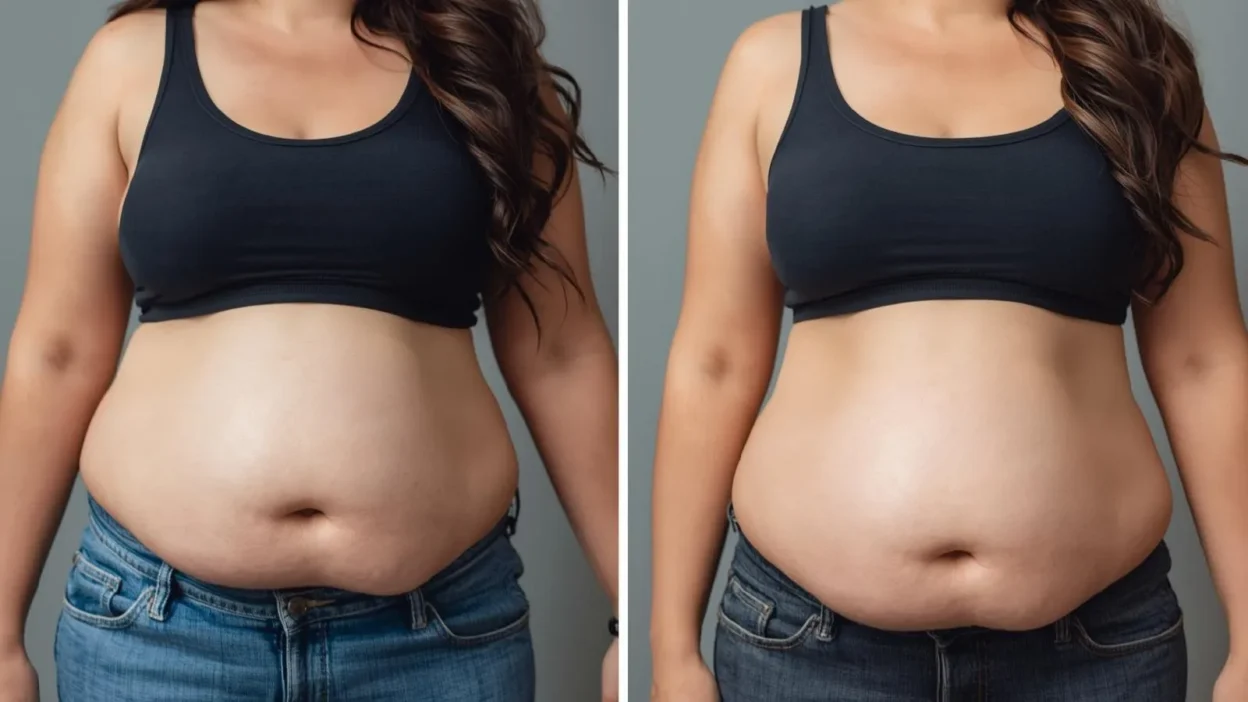
Losing a significant amount of weight is a major achievement, often bringing a sense of pride and accomplishment. However, for many, a hidden challenge emerges: loose or excess skin. After shedding pounds, your skin may not fully shrink back to its original size, leading to sagging or uncomfortable folds of skin. While weight loss transforms the body, this excess skin can affect not just appearance but also physical comfort and emotional well-being.
For those who have undergone significant weight loss, skin removal surgery (also known as body contouring) offers a solution.
This procedure can help tighten the skin, restore a more youthful silhouette, and improve overall quality of life. In this article, we’ll explore the process of skin removal surgery, who it’s best suited for, its benefits, risks, and everything you need to know to make an informed decision about this transformative option.
Understanding the Issue of Excess Skin After Weight Loss
Excess skin is a common challenge for those who have undergone significant weight loss, whether through surgery, dieting, or a combination of both. As the body sheds fat, the skin, which has been stretched to accommodate the larger size, may not have the elasticity needed to snap back into place. This is particularly true for individuals who lose a large amount of weight over a short period, often resulting in sagging skin around the abdomen, thighs, arms, and face.
Several factors contribute to the degree of skin laxity, including the amount of weight lost, age, genetics, and how long the skin was stretched. Younger individuals tend to have more elastic skin, allowing it to recover more quickly. Older adults, however, may experience more significant sagging due to decreased collagen production.
The physical impact of excess skin can be more than just cosmetic. It may lead to irritation, chafing, and even infections in folds where moisture can accumulate. Moreover, the emotional toll should not be underestimated. While losing weight is a major accomplishment, dealing with loose skin can affect self-esteem and hinder individuals from fully enjoying their new body.
Understanding these challenges is essential in considering whether skin removal surgery is the right solution.
What is Skin Removal Surgery?
Skin removal surgery, often referred to as body contouring, is a series of surgical procedures designed to remove excess, sagging skin that remains after significant weight loss. This surgery helps to tighten the skin, providing a more sculpted and smoother appearance. The procedures typically focus on areas where excess skin tends to accumulate, such as the abdomen, thighs, arms, and back. While the specifics can vary depending on individual needs, the goal is always to improve both the physical appearance and overall comfort of the patient.
There are several types of skin removal surgeries, each addressing different problem areas. Abdominoplasty, also known as a tummy tuck, is one of the most common procedures and focuses on the abdominal area. Brachioplasty, or an arm lift, targets excess skin in the upper arms, while thigh lift surgery addresses sagging skin around the thighs. For more comprehensive contouring, a body lift may be performed, which removes skin from both the lower abdomen and surrounding areas, such as the back and sides.
These surgeries are often performed under general anesthesia and can take several hours depending on the complexity of the procedure. Though skin removal surgery can be life-changing, it’s important to recognize that it is still a major surgical procedure with recovery time and risks involved.
Who is a Good Candidate for Skin Removal Surgery?
Not everyone who loses weight is an ideal candidate for skin removal surgery. It’s important to have a clear understanding of the requirements and expectations before deciding to undergo such a procedure.
Ideal candidates are individuals who have lost a significant amount of weigh typically 50 pounds or more and are generally in good health. Candidates should have maintained a stable weight for at least six months to a year before considering surgery, as fluctuations in weight can affect the results and healing process. Additionally, those who are non-smokers and do not have any underlying medical conditions, such as diabetes or cardiovascular disease, are better suited for the procedure.
Age also plays a role in candidacy, as younger individuals tend to have more elastic skin that may rebound better after surgery. However, older adults can still be good candidates, though their skin may not have the same level of elasticity.
Psychological readiness is another key factor. Candidates should have realistic expectations about the results and understand that while skin removal surgery can dramatically improve appearance, it won’t result in a “perfect” body. It’s essential to be mentally prepared for the recovery process and any potential challenges, such as scarring.
Before proceeding, it’s crucial to consult with a board-certified plastic surgeon to determine if skin removal surgery is the right option for you.
Benefits of Skin Removal Surgery
Skin removal surgery offers numerous benefits, both physically and emotionally, for individuals who have undergone significant weight loss. These advantages often extend beyond just cosmetic improvements and can greatly impact a person’s quality of life.
Physical Benefits: One of the most immediate benefits of skin removal surgery is the improvement in comfort. Excess skin can cause discomfort and even lead to skin irritations, chafing, or rashes in areas where the skin folds. After surgery, individuals often experience greater mobility, as the skin no longer hinders movement or causes friction. In some cases, back pain or posture issues, which were previously exacerbated by the weight of excess skin, may also be alleviated.
Aesthetic Improvements: Skin removal surgery can help restore a more toned, defined body contour, allowing patients to fully appreciate the results of their weight loss journey. It removes the sagging, loose skin that may have been a constant reminder of the weight they’ve worked so hard to lose. Patients often report feeling more confident and self-assured, as their appearance better aligns with their weight loss goals.
Psychological and Emotional Benefits: Beyond the physical, there is a significant psychological lift. Many individuals feel empowered to engage in social activities, exercise, or wear clothing that they previously avoided. This newfound confidence can lead to an overall improvement in mental health and quality of life.
Risks and Considerations
While skin removal surgery can be life-changing for many, it’s important to recognize that like any surgical procedure, it carries risks and potential complications. Understanding these risks is crucial in making an informed decision about whether this surgery is right for you.
Common Risks: As with any surgery, skin removal procedures come with the risk of infection, bleeding, and blood clots. Infections can occur at the incision site or deeper within the tissue, requiring medical attention. Although uncommon, some patients may experience seroma, a condition where fluid accumulates under the skin, which may require drainage. There is also a risk of poor wound healing, especially in smokers or individuals with poor circulation.
Scarring: One of the most significant considerations for those considering skin removal surgery is scarring. While surgeons make efforts to place incisions in inconspicuous areas, scars are an inevitable part of the healing process. The size and visibility of scars depend on the extent of the surgery and the individual’s healing process. For some, the scarring may be minimal and fade over time, but for others, it may be more prominent.
Recovery and Downtime: Recovery time can vary depending on the scope of the procedure, but most individuals can expect to take several weeks off from work or daily activities. During this time, physical activity will be limited, and follow-up appointments will be necessary to monitor healing and remove any stitches or drains.
How to Prepare for Skin Removal Surgery
Preparing for skin removal surgery is a critical step in ensuring a successful procedure and a smooth recovery. It’s essential to follow your surgeon’s recommendations carefully and take the necessary steps to optimize your health before the surgery.
Initial Consultation: The first step is scheduling a consultation with a board-certified plastic surgeon who specializes in body contouring. During this meeting, the surgeon will evaluate your health, assess the areas of excess skin, and discuss your goals for the surgery. This is the perfect time to ask questions about the procedure, risks, and expected outcomes. Your surgeon will also advise you on whether you need to make any lifestyle changes before the surgery, such as losing additional weight or quitting smoking.
Medical Preparations: If you are a smoker, you will likely be asked to quit smoking for at least a few weeks before and after surgery, as smoking can hinder the healing process and increase the risk of complications. Additionally, your surgeon may advise you to avoid certain medications, such as blood thinners, which can increase the risk of bleeding during surgery. It’s also important to maintain a healthy diet and exercise routine to ensure that your weight remains stable before the procedure.
Post-Surgery Preparation: Before surgery, it’s a good idea to prepare your home for recovery. Arrange for someone to help you with tasks during the first few days, as you may experience limited mobility.
Post-Operative Care and Recovery
Recovery after skin removal surgery requires patience and careful attention to ensure optimal results and minimize the risk of complications. While recovery times can vary, there are general guidelines and steps that most patients should follow.
Immediate Post-Surgery Care: After the procedure, you will need to wear compression garments to help reduce swelling and support the newly contoured areas. These garments must be worn for several weeks and are essential for promoting proper healing. The surgeon will also provide specific instructions on how to care for your incisions, including cleaning and applying ointments to avoid infection. Pain management is a crucial part of post-surgery care. You may experience discomfort, swelling, and bruising during the first few days. Prescription medications, as well as over-the-counter pain relievers, can help manage these symptoms.
Recovery Timeline: The first few weeks are the most critical, and you will need to avoid any strenuous physical activity. For the first two to four weeks, most patients rest at home and gradually resume light activities. Full recovery, including the final healing of scars, may take several months. During this time, follow-up appointments with your surgeon will be necessary to monitor progress and ensure that healing is proceeding as expected.
Emotional Recovery: The emotional impact of post-surgery changes should not be overlooked. Many patients report feeling a renewed sense of confidence and satisfaction with their bodies. However, it’s important to be prepared for fluctuations in mood and body image during the recovery process.
Alternatives to Skin Removal Surgery
While skin removal surgery offers a transformative solution for many individuals dealing with excess skin after weight loss, it is not the only option. For some, non-surgical alternatives or lifestyle adjustments may be a more suitable path, depending on the extent of skin sagging and personal preferences.
Non-Surgical Treatments: Several non-invasive treatments are available that can help tighten loose skin, though they typically offer more modest results compared to surgery. Laser skin tightening uses focused light to stimulate collagen production and tighten the skin, especially in areas with mild to moderate sagging. Similarly, radiofrequency treatments and ultrasound-based therapies work by using energy to promote skin tightening and improve elasticity. These options are often best for individuals with less severe skin laxity who are seeking a less invasive approach.
Lifestyle Adjustments: Continued weight management through diet and exercise plays an important role in preventing further skin sagging. Strength training can build muscle tone and help fill out areas where skin may have lost its firmness. Hydration is also crucial, as keeping the skin hydrated can maintain its elasticity. Additionally, some people find that wearing compression garments can provide temporary support and reduce the appearance of sagging skin.
While these alternatives may provide some benefits, they are typically not as effective as surgery for those with more significant skin excess.
Real-Life Success Stories
Real-life success stories of individuals who have undergone skin removal surgery can provide valuable insight into what the procedure is really like and the transformative impact it can have. Many people who have lost significant amounts of weight face the emotional and physical challenges of excess skin, but the results of skin removal surgery often offer a renewed sense of confidence and empowerment.
Before-and-After Transformations: Many patients report a dramatic difference in both their physical appearance and quality of life after skin removal surgery. For example, individuals who have lost over 100 pounds may find that their bodies no longer feel weighed down by excess skin, and they often experience increased mobility, improved posture, and greater comfort in everyday activities. A flatter, more toned abdomen, lifted arms, and tightened thighs can restore a youthful, more defined appearance.
Patient Testimonials: In addition to physical changes, patients often speak about the emotional benefits of skin removal surgery. Many individuals who struggled with body image issues due to excess skin find that surgery gives them the opportunity to finally embrace their bodies. One common sentiment among patients is feeling “whole” after the procedure, as it allows them to fully appreciate the hard work they’ve put into losing weight. Increased self-esteem and a renewed social life are often mentioned as key results of the surgery.
FAQs
1. How much does skin removal surgery cost?
The cost of skin removal surgery can vary widely based on the areas being treated, the surgeon’s experience, and geographic location. On average, the procedure can range from $3,000 to $15,000 or more. Insurance may cover the surgery if it’s deemed medically necessary (e.g., preventing rashes or infections), but in most cases, it is considered a cosmetic procedure and may not be covered.
2. How long does the recovery take?
Recovery time varies depending on the extent of the surgery, but most patients need about 2-4 weeks for the initial healing period. During this time, physical activity will be limited, and compression garments will be worn to aid healing. Full recovery can take several months, especially for scars to fade and for the body to fully adjust.
3. Can I avoid skin removal surgery with diet and exercise?
While diet and exercise can help improve skin elasticity to some extent, they are unlikely to eliminate excess skin after significant weight loss. Non-surgical treatments like laser skin tightening may offer mild improvement, but for more severe sagging, skin removal surgery is typically the most effective option.
4. Are there any risks of scarring after surgery?
Scarring is a natural part of skin removal surgery, and while surgeons place incisions in discreet locations, scarring is inevitable. However, over time, most scars fade and become less noticeable. Proper post-surgery care and following the surgeon’s instructions can help minimize scarring.
Conclusion
Skin removal surgery after weight loss is a powerful tool for individuals who have shed significant pounds but are left with excess, sagging skin. While the emotional and physical journey of weight loss is an accomplishment in itself, the added challenge of loose skin can sometimes hinder the full enjoyment of one’s transformation. Fortunately, skin removal surgery provides an effective solution for many, offering benefits such as improved mobility, enhanced appearance, and a boost in self-confidence.
However, it’s essential to approach this decision with realistic expectations. The surgery, though life-changing for many, carries risks and requires a commitment to recovery. Scarring, pain, and a few weeks of downtime are part of the process, and it’s crucial to be mentally prepared for the journey. Moreover, this procedure is not for everyone. Ideal candidates are those who have achieved stable weight loss and are in good health.
Before moving forward, consult with a board-certified plastic surgeon to determine whether skin removal surgery is the right choice for you. Weigh the benefits, risks, and costs carefully, and ensure that you have the support needed for both the surgery and the recovery process.
Ultimately, skin removal surgery can be a transformative step for those looking to complete their weight loss journey and embrace their new body with confidence and pride.

I’m Etalia Robert, the mind behind PeacefulQuotes.com. I share thoughtful words and meaningful quotes that inspire calm, reflection, and a little spark of wisdom in everyday life.