Struggling with late night cravings while trying to lose weight? You’re not alone. Many people find that the hours before bed are the hardest to control hunger, and reaching for chips, ice cream, or sugary snacks can quickly sabotage weight loss efforts.
But here’s the good news: what you eat at night doesn’t have to work against your goals. Choosing the right foods before bed can actually support weight loss, stabilize blood sugar, and even improve sleep quality.
In this article, we’ll explore the science behind nighttime eating, reveal the best foods to enjoy at night, and provide practical snack ideas that satisfy cravings without packing on extra pounds. Whether you’re a night owl or simply want to make smarter evening choices, these tips will help you lose weight while keeping your late-night hunger under control.
Why Nighttime Eating Affects Weight
Many people assume that eating at night automatically leads to weight gain, but the reality is a bit more nuanced. Our metabolism does naturally slow down during sleep, which means the body burns fewer calories than during the day. However, the main factor isn’t the timing itselfit’s what and how much we eat. Consuming high-calorie, sugary, or processed foods late at night can spike insulin levels, encouraging the body to store fat rather than burn it.
Late-night eating can also disrupt hunger hormones. Ghrelin, the hormone that triggers appetite, tends to rise in the evening, while leptin, the hormone that signals fullness, can be suppressed if you eat poorly or skip meals earlier in the day. This imbalance can lead to overeating, making it harder to stay in a calorie deficit necessary for weight loss.
Sleep quality is another important factor. Eating heavy or spicy foods before bed can interfere with deep sleep, and poor sleep itself is linked to slower metabolism, increased cravings, and difficulty losing weight. Conversely, choosing protein-rich, fiber-filled snacks at night can help stabilize blood sugar, keep you full, and even support muscle repair while you sleep.
Understanding these mechanisms is key to making smart nighttime choices that promote fat loss without feeling deprived.
Common Mistakes People Make at Night
Even with the best intentions, many people unknowingly sabotage their weight loss efforts during the evening. One of the most common mistakes is reaching for high-calorie, sugary, or processed snacks. Foods like cookies, chips, or ice cream cause rapid spikes in blood sugar, which can lead to fat storage and late-night energy crashes, making it harder to resist more unhealthy options.
Another mistake is overeating out of boredom or stress. Evening hours are often when we unwind from the day, and food can become a coping mechanism rather than a source of nutrition. Mindless snacking in front of the TV or phone often leads to consuming far more calories than intended.
Skipping dinner or eating too lightly during the day is another trap. If your body hasn’t received enough nutrients, late-night hunger can become intense, making it difficult to choose healthy options. Similarly, drinking high-calorie beverages like soda, sweetened coffee drinks, or alcohol can add unnecessary calories and disrupt metabolism without satisfying true hunger.
Finally, timing matters. Eating large, heavy meals right before bed can interfere with digestion and sleep quality, both of which are critical for weight management. Recognizing these common pitfalls is the first step toward creating smarter, more satisfying nighttime eating habits that actually support weight loss.
Principles of Healthy Nighttime Eating
Eating at night doesn’t have to be a weight-loss enemy if you follow a few simple principles, you can satisfy your hunger while supporting fat loss. The first principle is to prioritize protein and fiber. Protein-rich foods like Greek yogurt, cottage cheese, or turkey slices help keep you full longer and support muscle repair overnight. Fiber from fruits and vegetables slows digestion, stabilizes blood sugar, and prevents late-night cravings from taking over.
Next, focus on portion control and calorie awareness. Even healthy foods can contribute to weight gain if consumed in large amounts. Keep snacks small, nutrient-dense, and satisfying rather than filling your plate with large meals before bed.
Healthy fats in moderation are also beneficial. Nuts, seeds, or avocado provide satiety and help regulate hunger hormones, but a small handful is enough, overdoing fats can easily increase calorie intake.
Timing is another key factor. Aim to eat 1–2 hours before bed, giving your body time to digest while avoiding discomfort or disrupted sleep. Avoid high-sugar and processed foods, as they spike insulin levels and can lead to fat storage.
Finally, listen to true hunger cues. Many nighttime cravings are driven by boredom, stress, or habit rather than real hunger. Drinking water first or choosing a light, protein- and fiber-rich snack can satisfy cravings without undoing your hard work.
Best Foods to Eat at Night for Weight Loss
Choosing the right foods before bed can make a real difference in your weight loss journey. The key is to select snacks that are high in protein, fiber, and healthy fats, while keeping calories moderate.
Protein-rich foods are ideal because they help you feel full and support muscle repair overnight. Options like Greek yogurt, cottage cheese, turkey slices, or a hard-boiled egg are excellent choices. Protein also increases thermogenesis, which means your body burns slightly more calories during digestion.
High-fiber foods such as berries, apple slices, carrot sticks, or cucumber provide slow-digesting carbohydrates that stabilize blood sugar and prevent sudden hunger spikes. Pairing fiber with protein enhances satiety and keeps cravings at bay.
Healthy fats in moderationlike a small handful of almonds or walnutscan also keep you satisfied and regulate hunger hormones. Just remember that fats are calorie-dense, so portion control is essential.
For drinks, herbal teas like chamomile or peppermint are soothing, low-calorie options that can reduce cravings and improve sleep quality. Avoid sugary beverages and caffeine, which can spike insulin and disrupt rest.
By combining these nutrient-rich foods thoughtfully, you can enjoy a satisfying evening snack that supports fat loss, controls hunger, and improves sleep, rather than derailing your weight loss efforts.
Foods to Avoid at Night
While choosing the right nighttime foods can support weight loss, eating the wrong ones can quickly sabotage your efforts. One of the biggest culprits is sugary snacks and desserts. Cookies, cakes, ice cream, and candy spike blood sugar and insulin levels, promoting fat storage and increasing late-night cravings.
Refined carbohydrates and fried foods are another trap. Items like white bread, chips, pizza, or fried takeout digest quickly, causing a rapid rise and fall in blood sugar. This can leave you feeling hungry again within an hour, leading to overeating.
Heavy meals right before bed are also problematic. Eating large portions of protein, fats, or starchy foods too close to sleep can interfere with digestion and disrupt sleep quality. Poor sleep, in turn, affects appetite hormones and makes it harder to lose weight.
Sugary drinks, alcohol, and caffeine should be limited as well. Soda, sweetened coffee drinks, and alcoholic beverages add unnecessary calories without promoting fullness. They can also cause bloating, poor digestion, and disrupted sleep patterns.
Finally, mindless snackinglike eating straight from the bag while watching TVoften leads to excessive calorie intake. Awareness is key: avoid eating out of boredom or habit, and focus on intentional, portion-controlled snacks.
By avoiding these foods and habits, you can protect your metabolism, improve sleep, and make nighttime eating work in favor of your weight loss goals.
Sample Nighttime Snack Ideas
Knowing which foods to eat is helpful, but having concrete snack ideas makes it much easier to stick to healthy habits. Here are some simple, satisfying, and weight-loss-friendly options for your evening cravings:
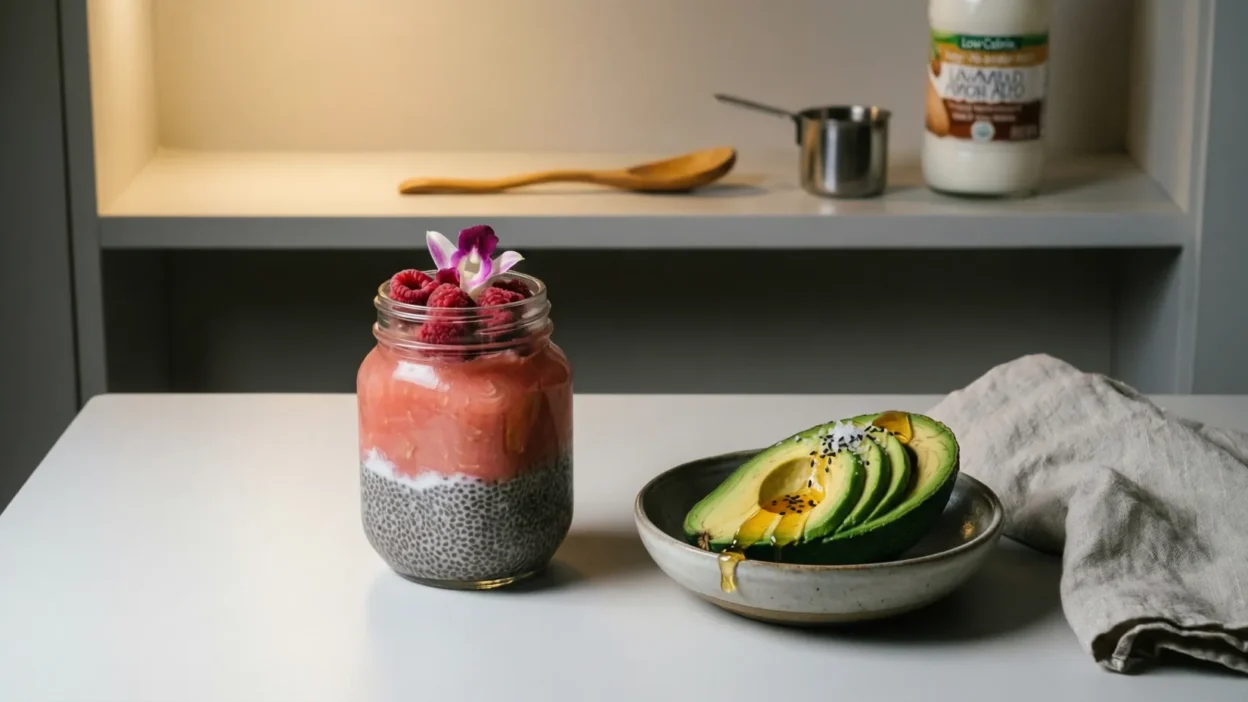
1. Greek Yogurt with Berries – A half-cup of Greek yogurt with a handful of blueberries or raspberries provides protein and fiber, keeping you full without excess calories.
2. Cottage Cheese with Cucumber or Cherry Tomatoes – Cottage cheese is rich in casein protein, which digests slowly and helps repair muscles overnight. Pair it with fresh vegetables for crunch and fiber.
3. Hard-Boiled Eggs or Turkey Slices – These protein-packed options are easy to prepare in advance and satisfy hunger without adding sugar or refined carbs.
4. Nuts in Moderation – A small handful (about 10–12 almonds or walnuts) provides healthy fats that promote satiety. Avoid large portions, as nuts are calorie-dense.
5. Apple or Banana with Nut Butter – A natural way to satisfy sweet cravings while getting fiber, protein, and healthy fats.
6. Herbal Tea with a Spoon of Peanut Butter – Warm tea helps relax your body before bed, while a small amount of nut butter keeps you feeling full.
The key is to keep snacks small, balanced, and nutrient-dense, focusing on protein, fiber, and healthy fats. These options satisfy hunger, curb cravings, and support fat loss without sabotaging your progress.
Lifestyle Tips for Nighttime Weight Control
Controlling late-night eating isn’t just about choosing the right foodsit’s also about creating healthy habits that support weight loss and overall wellness. One of the most effective strategies is to set a consistent eating schedule. Eating dinner at the same time each evening and allowing 1–2 hours before bed for a small snack helps regulate hunger and prevents impulsive late-night eating.
Hydration is key. Sometimes, the body confuses thirst with hunger. Drinking a glass of water before reaching for a snack can reduce unnecessary calorie intake and keep you feeling satisfied.
Manage stress and boredom without turning to food. Evening hours often bring fatigue or mental fatigue from work, leading to mindless snacking. Simple alternatives include light stretching, reading, journaling, or a short walk to redirect your focus.
Light activity after dinner can also help regulate blood sugar and improve digestion. A gentle walk or household chores are sufficient to keep metabolism active without disrupting sleep.
Finally, prioritize sleep quality. Poor sleep increases cravings for sugary, high-calorie foods and disrupts appetite hormones like ghrelin and leptin. Aim for 7–9 hours of restful sleep per night to support both weight loss and overall health.
By combining smart food choices with healthy nighttime habits, you can control cravings, reduce unnecessary calories, and make your evening routine work in favor of your weight loss goals.
Addressing Common Concerns
Many people have questions about eating at night while trying to lose weight. Let’s address some of the most common concerns.
“Won’t eating at night slow my metabolism?”
Not necessarily. Your body continues to burn calories even while you sleep. What matters more is the type and portion of food you eat. Protein-rich, fiber-filled snacks can actually support metabolism and muscle repair overnight.
“What if I’m hungry right before bed?”
True hunger should be satisfied. Ignoring it can lead to poor sleep and overeating the next day. Choose a small, balanced snack such as Greek yogurt with berries, a handful of nuts, or a hard-boiled egg. These options provide satiety without adding excessive calories.
“Are cheat snacks allowed?”
Occasionally, yes but moderation is key. A small treat can satisfy cravings and prevent wallowing, as long as it doesn’t become a nightly habit. Pair it with healthy foods or control portions to stay on track.
“Is late-night eating bad for everyone?”
Not always. Some people naturally have later schedules, and their bodies can handle small, nutrient-dense snacks without affecting weight loss. The focus should be on quality, quantity, and timing rather than blanket rules.
By understanding these concerns and using practical strategies, you can make nighttime eating work for your weight loss goals instead of against them. Awareness and smart choices are the real game-changers.
FAQs About Eating at Night for Weight Loss
1. Can I eat at night and still lose weight?
Yes! The timing of eating isn’t as critical as the type and portion of food. Small, nutrient-dense snacks like Greek yogurt, nuts, or vegetables can satisfy hunger without sabotaging weight loss.
2. What is the best snack before bed?
Protein-rich and fiber-filled options are ideal. Examples include cottage cheese with cucumber, Greek yogurt with berries, or a handful of almonds. These keep you full and support metabolism while you sleep.
3. How close to bedtime can I eat?
Aim to finish your snack 1–2 hours before sleeping. This allows digestion without disrupting sleep, ensuring comfort and preventing late-night spikes in blood sugar.
4. Are sugary snacks ever okay at night?
Occasionally, a small treat is fine, but it should be controlled and infrequent. Excess sugar can spike insulin, promote fat storage, and increase cravings.
5. What if I’m only hungry because I skipped dinner?
It’s better to have a balanced dinner than rely on late-night snacking. If you are hungry before bed, choose a small, high-protein snack rather than a high-calorie, low-nutrient option.
6. Does drinking tea or water at night affect weight loss?
Herbal teas and water are excellent choices. They reduce false hunger cues, support hydration, and can even improve sleep quality without adding calories.
Conclusion
Late night eating doesn’t have to be a roadblock to weight loss. In fact, with the right strategies, it can become an ally in your journey. The key is making intentional, nutrient-rich choices that satisfy hunger, support metabolism, and promote restful sleep. Foods rich in protein, fiber, and healthy fats such as Greek yogurt, cottage cheese, nuts, fruits, and lean meats are ideal for evening snacks. They keep you full, stabilize blood sugar, and prevent cravings from spiraling out of control.
Equally important is avoiding common pitfalls. Sugary treats, processed foods, heavy meals, and mindless snacking can undermine your progress. Pairing smart food choices with practical habits like eating at consistent times, staying hydrated, managing stress, and prioritizing sleep creates a strong foundation for long-term success.
Remember, nighttime eating is not about restriction or depriving yourself. It’s about awareness, portion control, and making choices that align with your goals. Even small changes, like swapping chips for a handful of almonds or a cup of herbal tea, can make a significant difference over time.
By understanding your body’s needs, choosing the right snacks, and establishing healthy habits, you can transform your late-night routine into a tool for weight loss instead of a challenge. Tonight, take a small step make your snack work for you, not against you. Consistency is what ultimately creates results.

I’m John, the voice behind PeacefulQuotes.com. I craft quotes that spark reflection, inspire calm, and bring a moment of peace to your day.