Many people assume that drinking alcohol always leads to weight gain—and with good reason. Alcohol is calorie-dense, with nearly 7 calories per gram, and those sweet cocktails, beers, and mixed drinks can add up fast.
Yet, some individuals notice a surprising effect: they actually lose weight when they drink. How is that possible? This apparent paradox can be confusing, but the answer lies in how your body metabolizes alcohol, how it affects your appetite, and how individual factors like metabolism, lifestyle, and genetics come into play.
While alcohol can temporarily alter calorie burning and food intake, it’s important to understand what kind of weight loss is actually happening and the potential risks involved. In this article, we’ll break down the science behind alcohol-induced weight changes, explore why some people lose weight when drinking, and provide practical advice for managing your health and body composition.
Understanding Alcohol and Calories
Alcohol is surprisingly calorie-dense, containing 7 calories per gram, which is almost as much as fat (9 calories per gram) and more than carbohydrates or protein (4 calories per gram). This means that even a single drink can contribute a significant number of calories to your daily intake. For example, a 12-ounce beer can contain around 150–200 calories, a 5-ounce glass of wine about 120–130 calories, and a standard shot of spirits around 100 calories. Add mixers like soda, juice, or syrups, and a cocktail can easily exceed 300–400 calories.
Unlike food calories, alcohol is metabolized differently. Your body prioritizes breaking down alcohol over other nutrients because it recognizes it as a toxin. This means fat and carbohydrates may not be stored as efficiently while your body processes alcohol, which can temporarily alter how calories are burned.
However, it’s essential to note that liquid calories are easy to overlook. Many people replace meals with alcohol or fail to account for the extra calories from sugary drinks and snacks consumed while drinking. Even if weight loss occurs, it may be due to calorie substitution rather than actual fat loss. Understanding alcohol’s caloric impact is the first step toward explaining why some people notice weight changes when drinking.
How Alcohol Affects Metabolism
When you consume alcohol, your body treats it differently than other calories. Unlike carbohydrates, proteins, or fats, alcohol is prioritized for metabolism because the body views it as a toxin. This means your liver focuses on breaking down alcohol first, temporarily putting other metabolic processes—like fat and carbohydrate storage—on hold. In practical terms, this can slightly increase energy expenditure in the short term, as your body works to process and eliminate alcohol.
Alcohol also influences thermogenesis, the process of burning calories to produce heat. Some studies suggest that metabolizing alcohol can boost calorie burning slightly for a few hours, though the effect is not significant enough to make alcohol a weight-loss strategy.
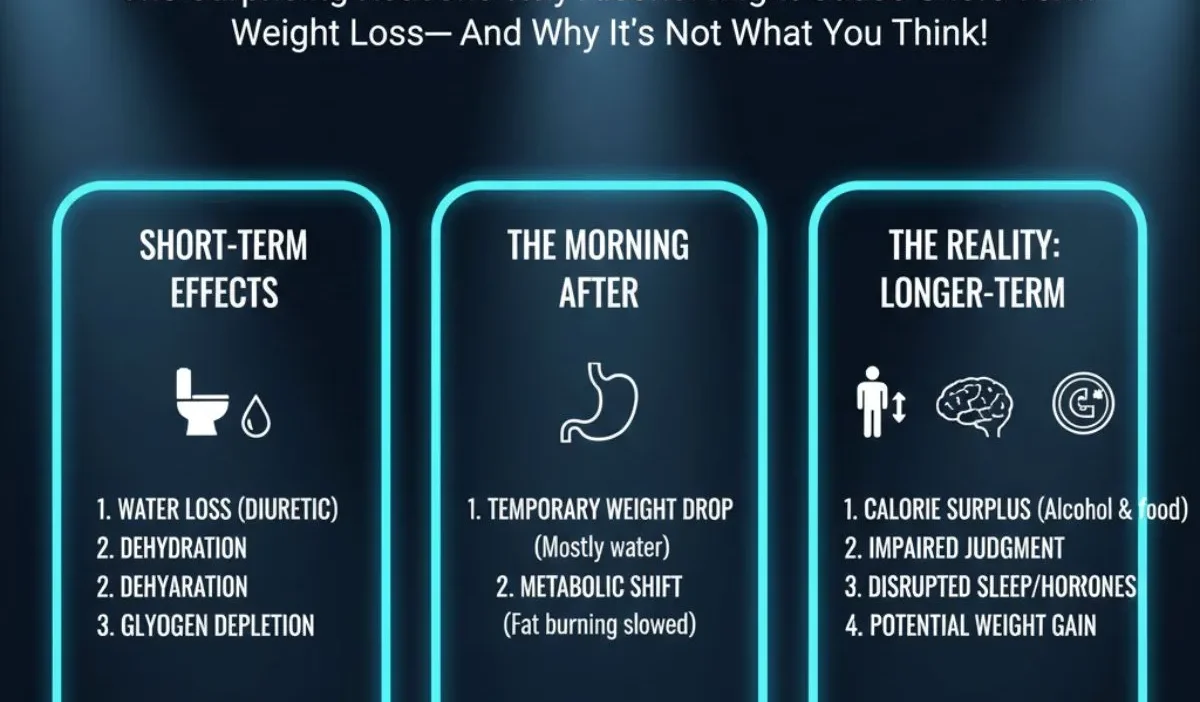
However, this prioritization has a trade-off. Because your body is busy metabolizing alcohol, it temporarily reduces fat oxidation, meaning that while calories are being processed, fat burning slows down. This is one reason why alcohol consumption can lead to fat accumulation in the long term if drinking is frequent.
Additionally, alcohol affects the liver’s role in energy regulation. The liver breaks alcohol into acetaldehyde and then acetate, which circulates in the bloodstream and can be used as an immediate energy source. This may contribute to temporary changes in energy balance and explain why some individuals notice slight weight loss when drinking, though the effect is often short-lived.
Alcohol and Appetite
Alcohol can have a surprisingly complex effect on appetite, and this plays a key role in why some people lose weight when they drink. For some individuals, alcohol suppresses hunger, leading them to eat less than they normally would. This may happen because alcohol provides quick calories, signaling the body that it has enough energy, or because drinking replaces meals, effectively creating a calorie deficit.
On the other hand, alcohol can also increase appetite for many people. It can lower inhibitions and disrupt normal hunger cues, causing cravings for high-calorie foods such as snacks, fast food, or sugary treats. This is why a night of drinking often leads to late-night eating, which can counteract any short-term weight loss.
Hormones also play a role. Alcohol affects ghrelin, the hormone that stimulates hunger, and leptin, which signals satiety. Research shows that drinking can temporarily alter these hormone levels, influencing how much you eat. The effects vary by individual, depending on genetics, drinking habits, and metabolism.
Finally, the type of alcohol matters. Drinks with higher sugar content or mixers may increase appetite more than dry wine or straight spirits. Understanding how alcohol impacts hunger is crucial for recognizing whether observed weight loss is due to actual fat loss or simply reduced food intake during drinking periods.
Why Some People Lose Weight Drinking Alcohol
While it may seem counterintuitive, some people do experience weight loss when drinking alcohol. One key reason is the meal replacement effect: alcohol provides calories that may partially replace regular meals. If someone consumes fewer overall calories in a day because drinking replaces food, a calorie deficit can occur, leading to temporary weight loss.
Individual metabolism also plays a role. People metabolize alcohol at different rates due to genetic factors and variations in liver enzyme activity. Those with faster metabolism may burn through alcohol more efficiently, slightly increasing energy expenditure and reducing the chance of storing fat.
Another factor is dehydration and water weight loss. Alcohol is a diuretic, causing the body to expel water. Some of the weight lost after drinking may simply be water, not fat. This is why weight fluctuations can appear dramatic after a night of drinking, even though it doesn’t reflect long-term fat loss.
Lifestyle habits also matter. People who are more active or maintain a structured diet may notice weight changes more clearly when drinking, compared to sedentary individuals.
It’s important to note that while some people may lose weight in the short term, this effect is often temporary. Regular or heavy drinking can lead to fat accumulation, muscle loss, and other metabolic issues, meaning alcohol-induced weight loss is not a sustainable strategy.
The Risks of Alcohol-Induced Weight Loss
Although some individuals may experience short-term weight loss from drinking alcohol, this can be misleading and even harmful. One major risk is muscle loss. Alcohol interferes with protein synthesis, the process your body uses to build and repair muscle. Over time, regular drinking can reduce lean muscle mass, which not only affects strength but also lowers your metabolism, making long-term weight management harder.
Another concern is nutrient deficiencies. If alcohol replaces meals or reduces appetite, the body may not get enough essential vitamins and minerals, including B vitamins, magnesium, and zinc. This can lead to fatigue, weakened immunity, and other health problems.
Alcohol-induced weight loss is often temporary. Much of the initial drop on the scale is due to water loss, not fat. Once normal eating resumes, weight usually returns, and in some cases, fat gain may occur, particularly around the abdomen.
Frequent drinking also increases the risk of long-term fat accumulation, liver damage, heart issues, and addiction. Relying on alcohol as a weight-loss strategy is therefore unsafe.
Understanding these risks highlights the importance of approaching alcohol consumption with caution. While small amounts may temporarily affect weight, sustainable weight management relies on balanced nutrition, regular physical activity, and healthy lifestyle choices rather than drinking alone.
Tips for Managing Weight While Drinking
If you enjoy alcohol but want to manage your weight effectively, there are several strategies to minimize its impact on your body. Moderation is key. Limiting alcohol intake to recommended levels—such as one drink per day for women and up to two for men—reduces excess calorie consumption and the risk of long-term weight gain.
Choose lower-calorie drinks whenever possible. Dry wines, light beers, and spirits mixed with calorie-free beverages are generally better options than sugary cocktails or liqueurs. Avoiding high-sugar mixers can save hundreds of calories per drink.
Hydration is essential. Alcohol is a diuretic, which can lead to temporary water loss and dehydration. Drinking water alongside alcoholic beverages helps maintain proper hydration, supports metabolism, and may reduce the likelihood of overeating.
Plan meals carefully. Avoid skipping meals in anticipation of drinking. Eating balanced, nutrient-rich meals beforehand can prevent excessive hunger and unhealthy snacking during drinking sessions.
Practice mindful drinking. Pay attention to portion sizes, alcohol content, and your body’s hunger cues. Keeping a journal of drinks and calories can help you make more informed choices and prevent unintentional overconsumption.
By combining moderation, smart drink choices, proper hydration, and mindful eating, you can enjoy alcohol without undermining your weight management goals. Sustainable results come from balance, not extremes, and these strategies make it possible to enjoy social drinking responsibly.
FAQs
1. Can I lose weight drinking wine or beer?
Yes, it’s possible, but it depends on how much and how often you drink. Some people replace meals with alcohol or reduce overall calorie intake, leading to temporary weight loss. However, most of the initial loss may come from water, not fat.
2. Why does alcohol sometimes suppress my appetite?
Alcohol can temporarily signal your body that it has enough energy, which may reduce hunger. It also provides calories quickly, sometimes replacing the need for a full meal. The effect varies by individual and depends on metabolism, genetics, and drinking habits.
3. Is alcohol-induced weight loss sustainable?
Not usually. While short-term weight changes can occur, long-term alcohol consumption can lead to fat gain, muscle loss, and other health issues. Sustainable weight loss comes from balanced nutrition, exercise, and lifestyle choices—not from relying on alcohol.
4. How much alcohol can I drink without affecting my weight?
Moderation is key. For most adults, the recommended limit is up to one drink per day for women and two for men. Choosing lower-calorie options and avoiding sugary mixers can help minimize the impact on your weight.
5. Does type of alcohol matter?
Yes. Dry wine, light beer, and straight spirits with calorie-free mixers generally have fewer calories than sugary cocktails, making them slightly less likely to contribute to weight gain.
Conclusion
Losing weight while drinking alcohol may seem surprising, but it is possible under certain circumstances. Short-term weight changes are often influenced by factors such as meal replacement, reduced appetite, metabolism, and temporary water loss. Some individuals may notice the scale dropping after drinking, but it’s important to remember that this is rarely fat loss. Instead, much of the weight change can come from dehydration or decreased food intake.
Alcohol affects your body in unique ways. It is metabolized first by the liver, temporarily altering fat and carbohydrate storage, while also influencing hunger hormones like ghrelin and leptin. Individual differences in metabolism, activity levels, and lifestyle habits also play a major role in whether someone experiences weight changes.
While occasional drinking may not significantly affect weight, relying on alcohol as a method for weight loss is unsafe and unsustainable. Regular consumption can lead to muscle loss, nutrient deficiencies, fat gain, and other serious health risks.
The key takeaway is balance and moderation. Choosing lower-calorie drinks, staying hydrated, planning meals, and practicing mindful drinking can help you enjoy alcohol responsibly without compromising your health or weight management goals. Understanding how alcohol interacts with your metabolism and lifestyle empowers you to make informed choices, ensuring that social drinking does not derail your long-term wellness.

I’m Leo Tolstoy, sharing timeless wisdom on PeacefulQuotes.com. My quotes aim to inspire reflection, inner calm, and thoughtful moments in everyday life.